
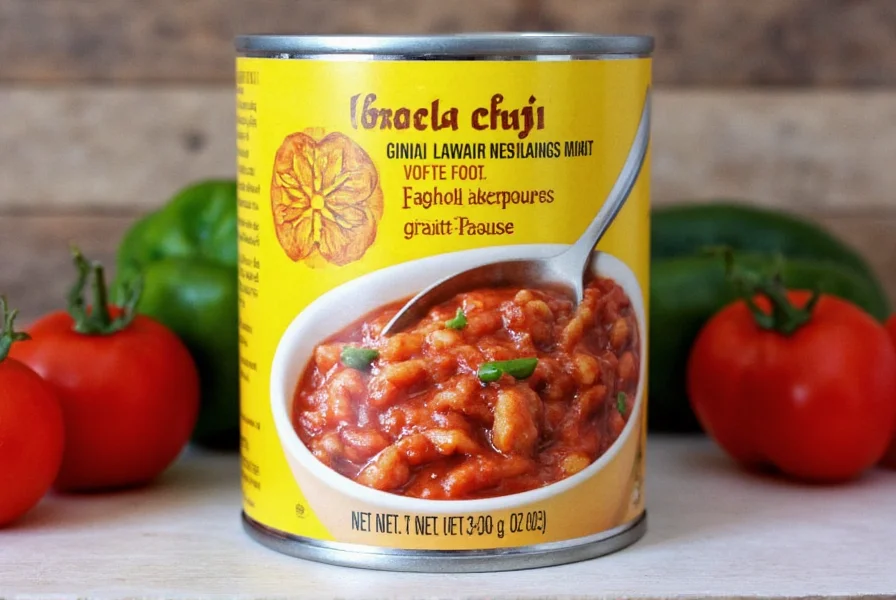
For health-conscious shoppers seeking convenient plant-based meals, Trader Joe's Vegetarian Chili stands out as a reliable freezer staple. This comprehensive guide explores everything you need to know about this popular product, from its ingredient composition to preparation methods and nutritional value.
What Makes Trader Joe's Vegetarian Chili Special
Unlike many canned chili products that contain meat or questionable additives, Trader Joe's Vegetarian Chili delivers a genuinely meat-free experience. The product contains no animal products whatsoever, making it suitable for both vegetarians and vegans. The frozen format preserves freshness better than canned alternatives while maintaining convenience.
Complete Ingredient Analysis
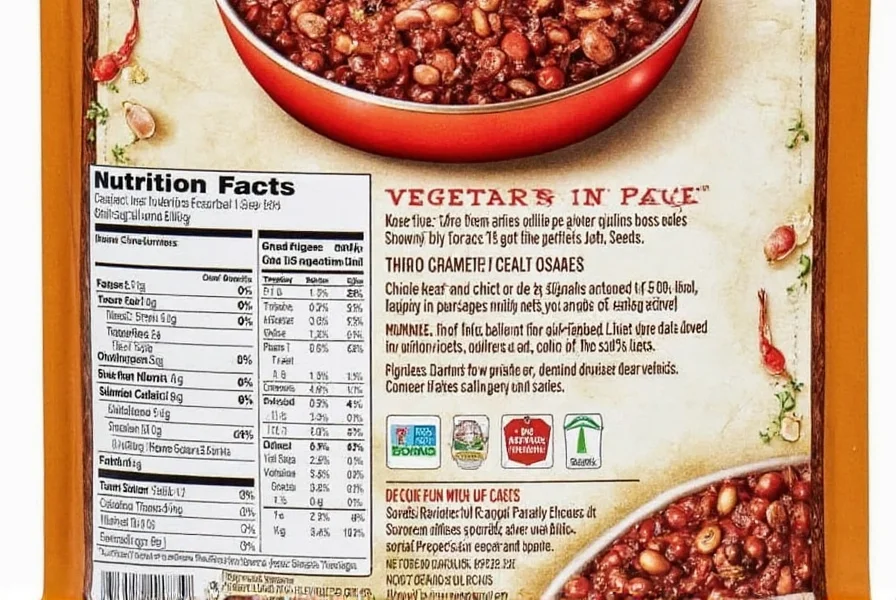
The ingredient list for Trader Joe's Vegetarian Chili reads like a farmer's market haul rather than a processed food product. Key components include:
- Organic tomatoes (the base)
- Organic kidney beans and black beans
- Organic corn
- Organic onions and bell peppers
- Organic carrots and zucchini
- Organic spices including cumin, chili powder, and garlic
Notably absent are artificial preservatives, MSG, and added sugars that plague many competing vegetarian chili products. The organic certification across most ingredients reflects Trader Joe's commitment to quality in their private label offerings.
Nutritional Profile Breakdown
Understanding the nutritional value helps determine how Trader Joe's vegetarian chili fits into various dietary plans. Per one cup serving (227g), the product delivers:
| Nutrient | Amount Per Serving | % Daily Value |
|---|---|---|
| Calories | 180 | 9% |
| Total Fat | 2.5g | 3% |
| Sodium | 490mg | 21% |
| Total Carbohydrates | 32g | 12% |
| Dietary Fiber | 7g | 25% |
| Sugars | 5g | * |
| Protein | 8g | 16% |
The high fiber and protein content makes this vegetarian chili particularly satisfying compared to many frozen meal alternatives. The moderate sodium level (21% of daily value) is reasonable for a prepared food product, though those on strict sodium-restricted diets might want to rinse the beans before heating.
How Trader Joe's Vegetarian Chili Compares to Competitors
When evaluating Trader Joe's vegetarian chili versus other brands, several factors distinguish it in the marketplace:
- Price point: At approximately $3.49 for a 12-ounce package, it's competitively priced against similar quality frozen vegetarian meals
- Ingredient quality: The organic certification on most ingredients exceeds standard grocery store brands
- Texture: Contains substantial vegetable pieces rather than just a tomato-based sauce with minimal beans
- Versatility: Works well as a standalone meal or as a base for creative adaptations
Unlike some vegetarian chili products that rely heavily on textured vegetable protein (TVP) to mimic meat texture, Trader Joe's version focuses on whole food ingredients, appealing to those seeking minimally processed options.
Optimal Preparation Methods
While Trader Joe's Vegetarian Chili can be heated directly from frozen, following these preparation tips enhances both flavor and texture:
- Stovetop method (recommended): Transfer contents to a saucepan, add 2-3 tablespoons of water, and heat over medium-low for 8-10 minutes, stirring occasionally
- Slow cooker enhancement: For deeper flavor, transfer to a slow cooker with 1/4 cup vegetable broth and cook on low for 1-2 hours
- Instant Pot option: Combine with 1/2 cup water, cook on manual high pressure for 5 minutes, then natural release for 10 minutes
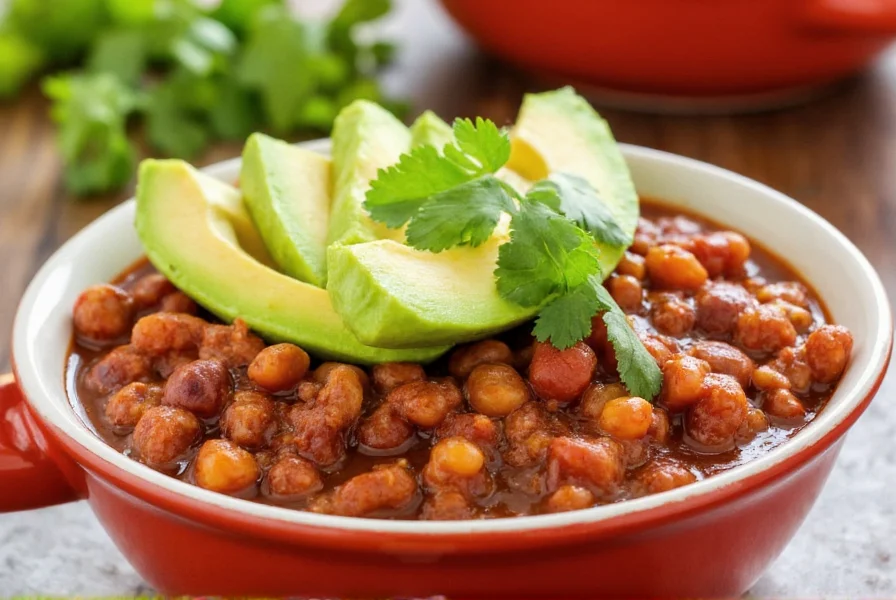
Many experienced users recommend adding fresh ingredients after heating to elevate the basic product. Popular additions include diced avocado, fresh cilantro, lime juice, or a dollop of vegan sour cream.
Serving Suggestions and Meal Pairings
Trader Joe's Vegetarian Chili's versatility makes it suitable for various meal formats:
- Classic bowl: Serve hot with cornbread or crackers
- Taco filling: Use as a base for vegetarian tacos with shredded lettuce and salsa
- Baked potato topper: Spoon over a baked sweet potato for a nutrient-dense meal
- Casserole layer: Alternate with cornbread batter for a quick chili cornbread casserole
- Breakfast option: Serve with scrambled tofu and salsa for a protein-packed morning meal
The product's balanced flavor profile—neither too spicy nor too mild—makes it adaptable to various palates and dietary preferences. Those seeking more heat can easily add hot sauce or diced jalapeños during preparation.
Storage and Shelf Life Guidelines
Proper storage ensures optimal quality and food safety:
- Freezer storage: Maintain at 0°F (-18°C) or below for up to 12 months
- Thawed product: Once thawed in the refrigerator, consume within 3-4 days
- Leftovers: Store cooled leftovers in airtight containers for up to 4 days
- Refreezing: Do not refreeze after thawing, as this compromises texture and safety
The product comes in a resealable pouch, allowing you to use only the portion needed and return the remainder to the freezer immediately.
Common Questions About Trader Joe's Vegetarian Chili
Is Trader Joe's Vegetarian Chili actually vegan?
Yes, Trader Joe's Vegetarian Chili is certified vegan. It contains no meat, dairy, eggs, or other animal-derived ingredients. The product is clearly labeled as vegan on the packaging, making it suitable for strict plant-based diets.
How does Trader Joe's Vegetarian Chili compare to their meat-based options?
Trader Joe's Vegetarian Chili has a different texture and flavor profile than their meat-based chili options. While the meat versions contain ground beef, the vegetarian version relies on beans and vegetables for substance. Nutritionally, the vegetarian option typically has less fat and more fiber than meat-based alternatives while providing comparable protein content from plant sources.
Can I customize Trader Joe's Vegetarian Chili to make it spicier?
Absolutely. The base product has mild seasoning that serves as an excellent foundation for customization. Many customers add diced jalapeños, cayenne pepper, chipotle powder, or hot sauce during the heating process. For deeper heat, consider adding a chopped serrano pepper while the chili simmers.
Does Trader Joe's Vegetarian Chili contain gluten?
No, Trader Joe's Vegetarian Chili is certified gluten-free. The product contains no wheat, barley, rye, or other gluten-containing ingredients. The manufacturing facility takes precautions to prevent cross-contamination, making it suitable for those with celiac disease or gluten sensitivity.
What's the best way to enhance the flavor of Trader Joe's Vegetarian Chili?
To elevate the flavor profile, try adding fresh ingredients after heating. Recommended enhancements include a squeeze of fresh lime juice, chopped cilantro, diced avocado, or a spoonful of nutritional yeast for umami depth. For richer flavor, simmer with a splash of vegetable broth or a teaspoon of smoked paprika before serving.




 浙公网安备
33010002000092号
浙公网安备
33010002000092号 浙B2-20120091-4