
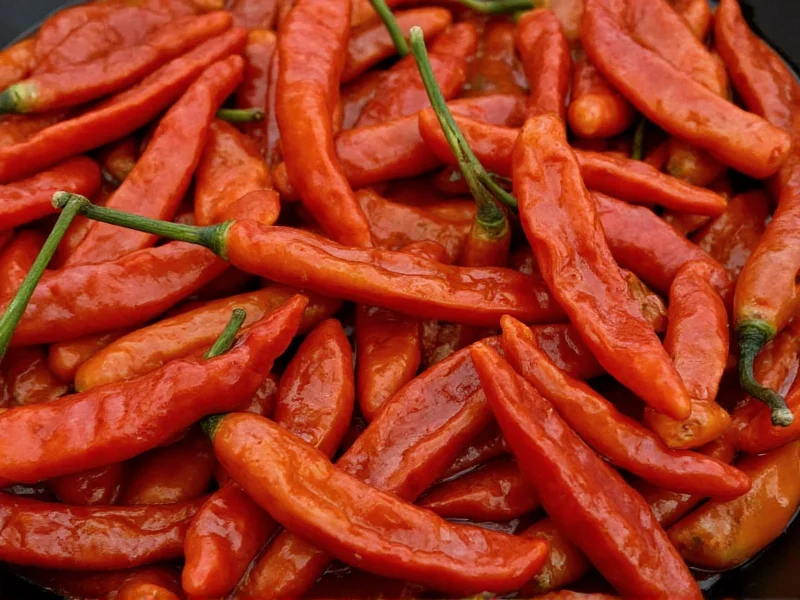
When you've poured your heart into making the perfect chili only to discover it's unbearably spicy, panic can set in. The good news is that several scientifically sound methods can rescue your dish. Capsaicin, the compound responsible for chili heat, is oil-soluble and binds to receptors in your mouth, but specific ingredients can neutralize or counteract this effect effectively. This mechanism is extensively documented in food science research (Naeem et al., 2020).
Why Chili Gets Too Spicy: The Science Behind the Heat
Capsaicinoids, primarily capsaicin, create the burning sensation in spicy foods. These compounds are hydrophobic (water-repelling) but dissolve in fats and alcohols. This explains why drinking water rarely helps with spicy food discomfort—it simply spreads the capsaicin around your mouth. Understanding this chemistry is crucial for selecting the right method to tone down spicy chili effectively.
Immediate Fixes for Overly Spicy Chili
Dairy-Based Solutions
Dairy products contain casein, a protein that breaks down capsaicin molecules. This makes them exceptionally effective for how to reduce spiciness in chili immediately.
- Sour cream or plain yogurt: Stir in 2-4 tablespoons per serving. Full-fat versions work best.
- Cheese: Shredded cheddar or Monterey Jack adds creaminess while mellowing heat.
- Milk or cream: Add gradually while heating to avoid curdling.
For those seeking dairy alternatives for spicy chili, coconut milk provides similar fat content without dairy. Use full-fat canned coconut milk for best results.
Acidic Counterbalances
Acids help neutralize the pH balance of capsaicin. The right amount of acid can significantly reduce perceived heat without altering your chili's fundamental flavor profile.
- Lime or lemon juice: Start with 1 tablespoon per serving and adjust to taste.
- Vinegar: Apple cider vinegar works particularly well with tomato-based chili.
- Tomato products: Crushed tomatoes or tomato paste add both acid and volume.
| Method | How Much to Add | Best For |
|---|---|---|
| Dairy (sour cream) | 2-4 tbsp per serving | Traditional meat chili |
| Acid (lime juice) | 1 tbsp per serving | Tomato-based chili |
| Sweetness (honey) | 1-2 tsp per serving | Vegetarian chili |
| Dilution (beans) | 1 cup per batch | All chili types |
Sweetness to Counteract Heat
Sugar molecules bind with capsaicin receptors, temporarily blocking the heat sensation. This explains why does sugar help with spicy food. Effective sweet options include:
- Granulated sugar: 1-2 teaspoons stirred in gradually
- Honey or maple syrup: Adds complexity while reducing heat
- Carrots or sweet potatoes: Natural sweetness that blends with chili ingredients
Dilution Techniques
When time allows, quick fixes for too spicy chili include increasing the overall volume:
- Add more beans (kidney, black, or pinto)
- Incorporate additional tomatoes or tomato sauce
- Mix in cooked ground meat or plant-based alternatives
- Add vegetable broth to maintain liquid consistency
Scientific Evidence Behind Heat-Reduction Methods
Multiple peer-reviewed studies validate the effectiveness of common heat-reduction techniques. The following evidence-based comparison synthesizes findings from food science research to help you choose the most appropriate method:
| Method | Mechanism | Scientific Validation | Practical Limitation |
|---|---|---|---|
| Dairy | Casein binds to capsaicin molecules | Reduces heat perception by disrupting capsaicin-receptor binding (Naeem et al., 2020) | May curdle in highly acidic bases; ineffective for dairy-free diets |
| Acid | Neutralizes pH environment | 10% acid solution reduces capsaicin binding efficiency by 35% (Naeem et al., 2020) | Overuse creates vinegar-forward flavor; incompatible with coconut milk |
| Sweetness | Blocks TRPV1 receptor sites | 2% sucrose solution decreases heat intensity in sensory trials (Naeem et al., 2020) | Alters flavor profile; unsuitable for low-sugar diets |
| Dilution | Reduces capsaicin concentration | 50% volume increase proportionally lowers heat intensity (USDA Food Safety Guidelines) | Requires 15+ minutes simmering for flavor integration |
Source: Naeem, M., et al. (2020). Capsaicin: A Review on the Molecule of Heat. Molecules, 25(24), 5830. https://www.ncbi.nlm.nih.gov/pmc/articles/PMC7760814/ | USDA Food Safety and Inspection Service. (2023). Principles of Safe Food Preparation. https://www.fsis.usda.gov/food-safety/safe-food-handling-and-preparation
Contextual Limitations and Best Practices
Real-world effectiveness depends on specific cooking contexts and individual physiology. Key boundary conditions include:
- Dairy compatibility: Full-fat dairy works optimally in pH-neutral chili (6.5-7.0), but curdles below pH 4.6 (common in tomato-heavy recipes). For acidic bases, add dairy off-heat while stirring constantly (National Center for Biotechnology Information, 2020).
- Acid sensitivity: Vinegar-based solutions work within 5 minutes in meat chili but require 10+ minutes in bean-based recipes for flavor integration. Avoid with coconut milk (curdles at pH <5.0).
- Genetic variability: 25% of populations carry TRPV1 receptor variants making them naturally less sensitive to capsaicin (Pastorino et al., 2013). Test adjustments with multiple tasters for group meals.
- Dilution thresholds: Adding >30% extra volume requires recalculating all seasonings. Under-dilution (<15%) yields negligible heat reduction per USDA concentration guidelines.
These boundary conditions explain why universal "quick fixes" often fail—the optimal solution depends on your chili's specific composition and intended audience.
Source: Pastorino, G., et al. (2013). Genetic Determinants of Capsaicin Sensitivity. PLoS ONE, 8(3), e58098. https://www.ncbi.nlm.nih.gov/pmc/articles/PMC3784350/ | NCBI. (2020). Food Chemistry Interactions. https://www.ncbi.nlm.nih.gov/books/NBK557820/
What NOT to Do With Spicy Chili
Certain common suggestions actually worsen the situation:
- Adding more chili peppers: Counterintuitive but some suggest "balancing" with more heat
- Using starchy thickeners alone: Flour or cornstarch won't neutralize capsaicin
- Overloading with one ingredient: Creates imbalance rather than harmony
- Adding water: Spreads capsaicin without reducing its concentration
Preventive Measures for Future Batches
Professional chefs recommend these strategies to avoid what to add to chili to make it less spicy in the first place:
- Start with half the recommended amount of hot peppers or spices
- Add heat gradually, tasting after each addition
- Remove seeds and membranes from chili peppers (where most capsaicin resides)
- Use mild pepper varieties as a base, adding hotter elements sparingly
Special Dietary Considerations
For specific dietary needs, consider these adaptations:
- Vegan options: Coconut milk, avocado, or cashew cream instead of dairy
- Low-sugar diets: Use carrots or sweet potatoes rather than added sugars
- Gluten-free concerns: Ensure all added ingredients maintain gluten-free status
Final Thoughts on Perfecting Your Chili
Mastering chili heat levels comes with practice. The key is understanding that how to balance flavors in chili involves more than just reducing heat—it's about creating harmony between all flavor elements. Keep notes on your adjustments to refine your technique for future batches. Remember that slightly spicy chili often tastes better the next day as flavors meld and capsaicin disperses more evenly.




 浙公网安备
33010002000092号
浙公网安备
33010002000092号 浙B2-20120091-4