
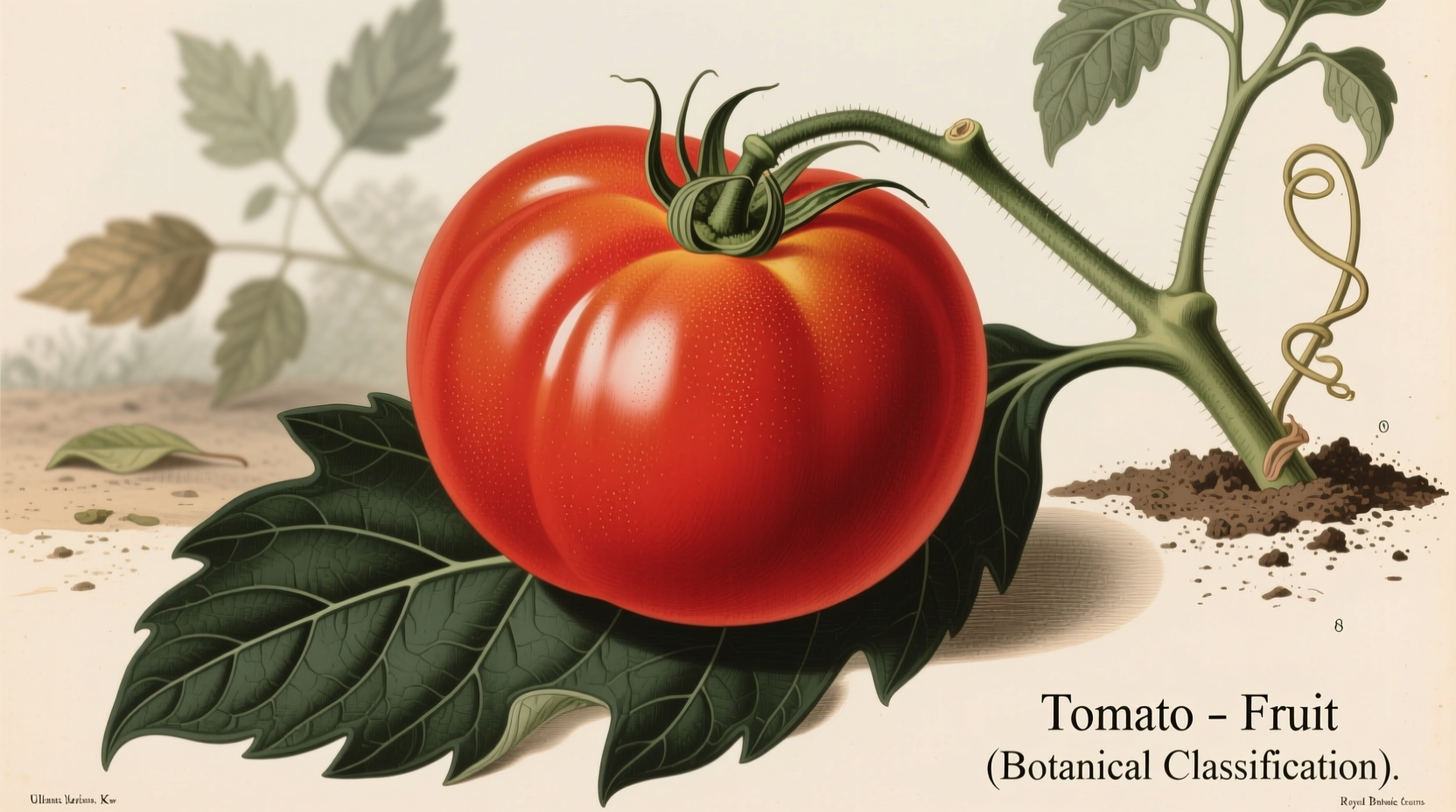
Ever wondered why your salad includes tomatoes alongside cucumbers and peppers, yet your dessert menu features apples and berries? The tomato's identity crisis has puzzled home cooks, chefs, and even Supreme Court justices for over a century. Understanding this classification confusion isn't just academic—it directly impacts how you select, prepare, and enjoy this versatile ingredient in your daily cooking.
The Botanical Reality: Why Tomatoes Are Fruits
From a strict botanical perspective, tomatoes unquestionably qualify as fruits. In plant biology, a fruit develops from the ovary of a flowering plant and contains seeds. Tomatoes form from the ripened ovary of the tomato flower and house numerous seeds—meeting the scientific definition perfectly. This classification places tomatoes in the same category as cucumbers, peppers, and eggplants, which many people mistakenly consider vegetables.
| Classification Type | Criteria | Tomato Status |
|---|---|---|
| Botanical | Develops from flower ovary, contains seeds | Fruit |
| Culinary | Savory flavor profile, used in main dishes | Vegetable |
| Legal (US) | Tariff classification under customs law | Vegetable |
The Culinary Tradition: Why Chefs Treat Tomatoes as Vegetables
Chefs and home cooks worldwide consistently categorize tomatoes as vegetables based on flavor profile and usage. Unlike sweet fruits typically served as desserts or snacks, tomatoes offer a savory, acidic taste that complements main dishes. Culinary professionals use tomatoes in salads, sauces, and cooked preparations—never in sweet applications. This practical distinction matters more in the kitchen than botanical accuracy.
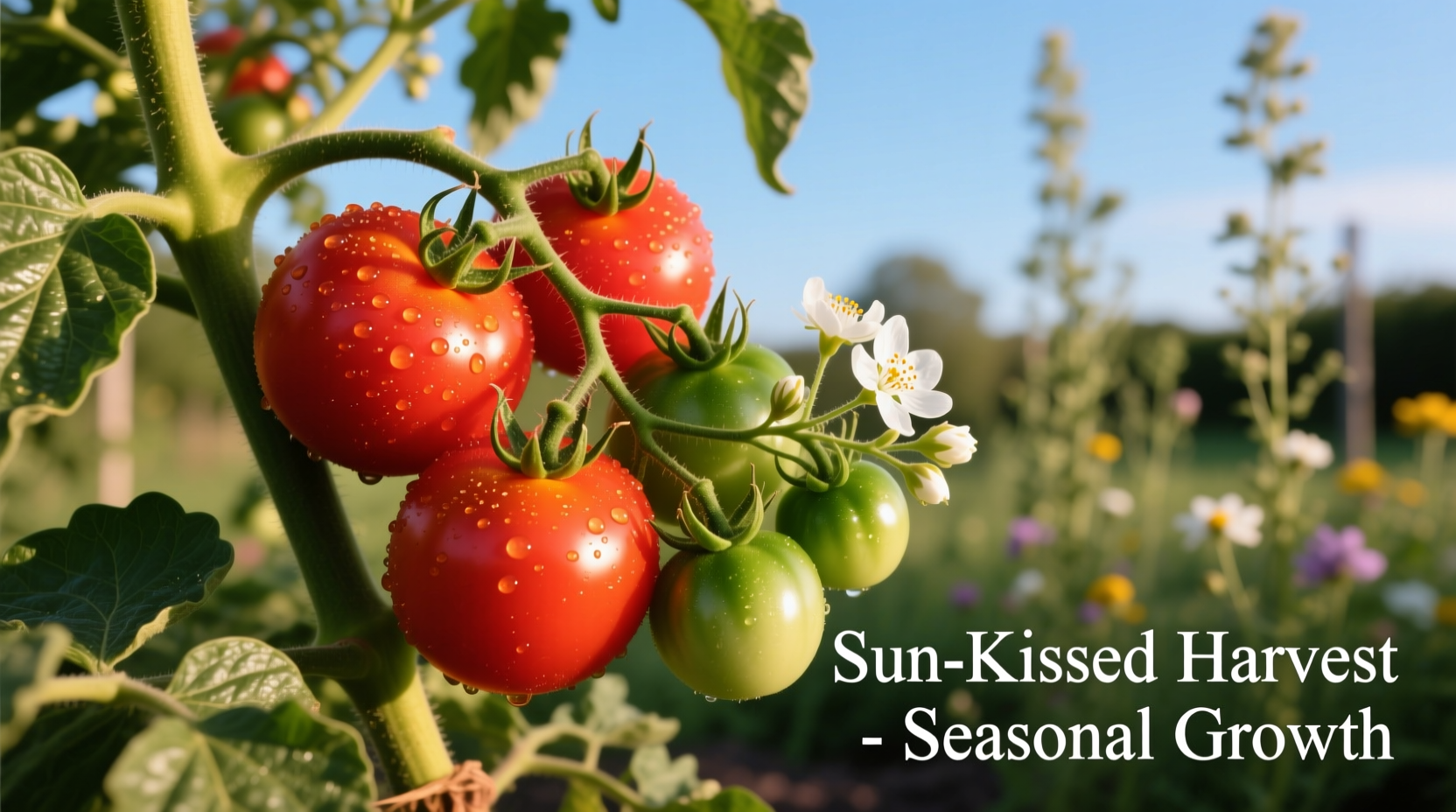
Historical Turning Point: The Supreme Court Decision
The tomato's dual identity reached legal prominence in 1893 with Nix v. Hedden, a landmark US Supreme Court case. At issue was whether tomatoes should be classified as vegetables for tariff purposes under the 1883 Tariff Act, which imposed duties on imported vegetables but not fruits. The Court unanimously ruled that tomatoes should be considered vegetables based on common usage in meals, stating:
"Botanically speaking, tomatoes are the fruit of a vine, just as a cucumber, squash, and pea... But in the common language of the people... all these are vegetables which are grown in garden plots." Justice Horace Gray, Nix v. Hedden, 149 U.S. 304 (1893)
This decision established the legal precedent that still influences food labeling and trade regulations today. You can verify the original court documents through the Library of Congress archives.
Practical Implications for Your Kitchen
Understanding this classification affects your cooking in tangible ways:
- Storage practices: Unlike most fruits, tomatoes should never be refrigerated, as cold temperatures destroy flavor compounds
- Culinary pairings: Tomatoes complement savory ingredients like garlic, basil, and olive oil—not typical fruit pairings
- Nutritional considerations: Tomatoes provide lycopene (a powerful antioxidant) best absorbed when cooked with fat
- Gardening approaches: Tomato plants require different care than typical fruit trees or berry bushes
Global Perspectives on Tomato Classification
The tomato's journey from South American wild plant to global staple reveals fascinating cultural adaptations. Originating in the Andes region of Peru and Ecuador, tomatoes spread through indigenous trade routes before European contact. Maya Gonzalez's field research in pre-Columbian agricultural sites shows how ancient civilizations like the Aztecs incorporated tomatoes (xitomatl in Nahuatl) into savory preparations long before the botanical classification debate emerged.
When Spanish explorers brought tomatoes to Europe in the 16th century, they were initially grown as ornamental plants due to suspicions about their nightshade family relation. It took centuries for tomatoes to gain culinary acceptance across Europe, with different regions developing distinct preparation traditions that reinforced their vegetable status in cooking.
When Classification Actually Matters
For most home cooking, whether tomatoes are fruits or vegetables makes little practical difference. However, these situations highlight when the distinction becomes meaningful:
- Food science applications: Understanding tomato acidity is crucial for safe canning and preserving
- Nutritional labeling: Regulatory agencies classify tomatoes as vegetables for dietary guidelines
- Agricultural policies: Farm subsidies and trade agreements treat tomatoes as vegetables
- Gardening resources: Planting guides categorize tomatoes with vegetables for crop rotation purposes
Embracing the Dual Identity
Rather than viewing this classification conflict as problematic, professional chefs leverage both perspectives. The botanical understanding helps with seed saving and plant breeding, while the culinary classification guides flavor pairings and menu planning. As food systems become increasingly complex, recognizing these multiple frameworks helps you navigate everything from farmers' market selections to interpreting nutrition labels.
Practical Tips for Tomato Selection and Use
Apply this knowledge immediately with these actionable recommendations:
- Choose vine-ripened tomatoes for maximum flavor development (unlike many fruits, tomatoes don't continue ripening significantly after picking)
- Store tomatoes stem-side down at room temperature away from direct sunlight
- Enhance lycopene absorption by cooking tomatoes with healthy fats like olive oil
- Use underripe tomatoes in savory applications like fried green tomatoes or chutneys
- Experiment with heirloom varieties that showcase the incredible diversity within this single species




 浙公网安备
33010002000092号
浙公网安备
33010002000092号 浙B2-20120091-4