
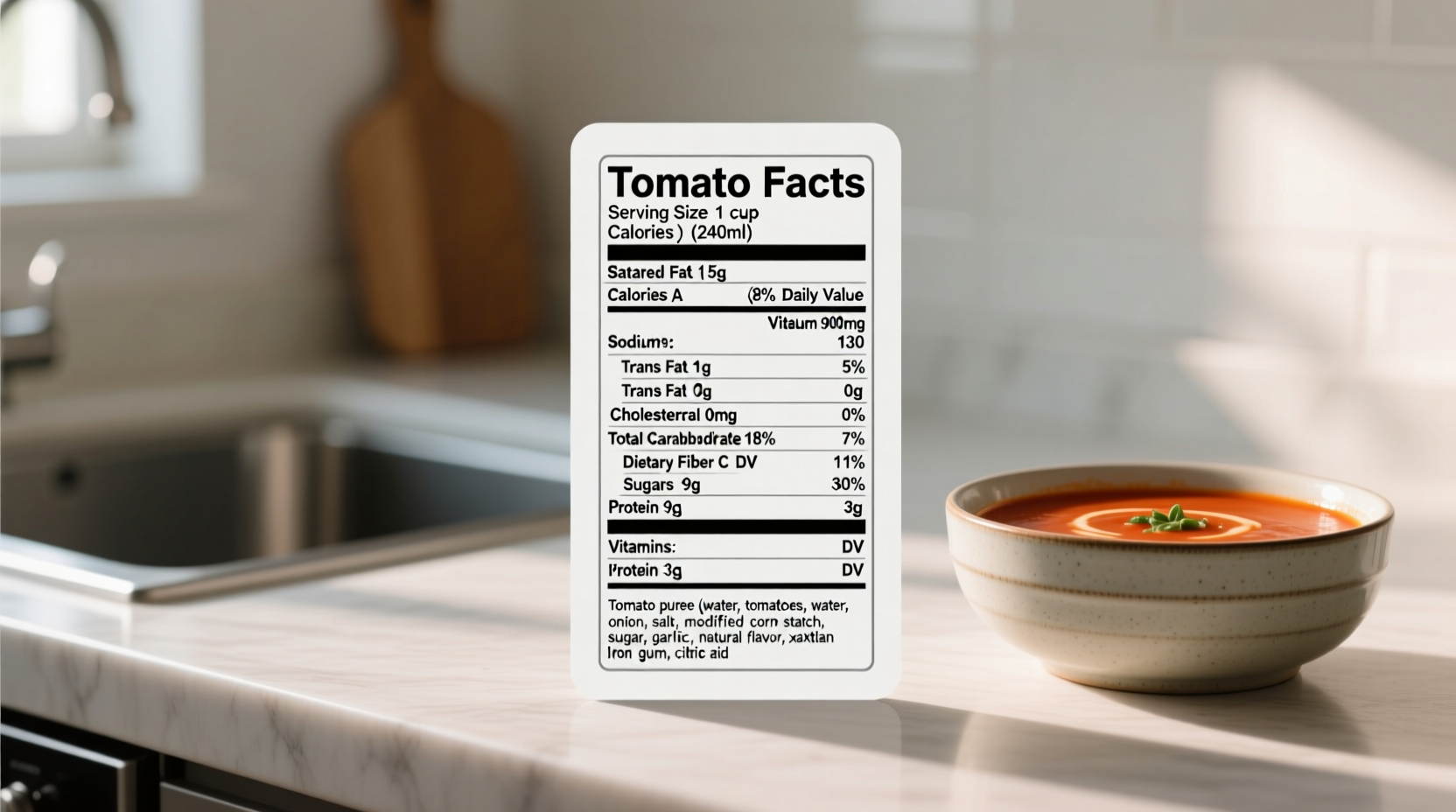
One cup (245g) of standard canned tomato soup contains approximately 70-100 calories, 3-5g protein, 12-18g carbohydrates, 2-4g fiber, and delivers 30-40% of your daily vitamin C needs plus significant lycopene. Homemade versions vary based on ingredients but typically offer superior nutritional value with less sodium and preservatives.
Understanding tomato soup nutrition facts helps you make informed dietary choices whether you're managing weight, monitoring sodium intake, or seeking specific nutrients. This comprehensive guide breaks down exactly what's in your bowl, comparing commercial and homemade options while highlighting key health benefits backed by nutritional science.
What's Really in Your Tomato Soup: Core Nutritional Profile
Tomato soup's nutritional value depends significantly on preparation method and added ingredients. The USDA FoodData Central database provides standardized nutritional information for various tomato soup preparations. A typical serving delivers essential nutrients while remaining relatively low in calories, making it a valuable component of balanced eating patterns.
| Nutrition Facts | Canned Regular | Canned Low-Sodium | Homemade | Cream of Tomato |
|---|---|---|---|---|
| Calories (per 1 cup) | 98 | 95 | 85 | 180 |
| Total Fat (g) | 0.5 | 0.4 | 2.1 | 10 |
| Sodium (mg) | 700 | 140 | 200 | 650 |
| Carbohydrates (g) | 21 | 22 | 18 | 16 |
| Fiber (g) | 3 | 3 | 4 | 2 |
| Protein (g) | 4 | 4 | 3 | 5 |
| Vitamin C (%DV) | 35% | 35% | 40% | 25% |
| Lycopene (mg) | 15-20 | 15-20 | 20-25 | 10-15 |
Data sourced from USDA FoodData Central (Accessed 2023) shows significant variation between commercial and homemade preparations. The cooking process actually increases lycopene bioavailability compared to raw tomatoes, making tomato soup an excellent vehicle for this powerful antioxidant.
Key Nutrients and Their Health Benefits
Tomato soup nutrition facts reveal several standout components that contribute to overall wellness. The nutrient profile shifts considerably based on preparation methods and additional ingredients.
Vitamin C Powerhouse
One serving typically provides 30-40% of your daily vitamin C requirement. This essential nutrient supports immune function, collagen production, and acts as an antioxidant. Unlike many vegetables, tomatoes retain vitamin C well during cooking, making soup preparation an effective delivery method.
Lycopene: The Antioxidant Star
Cooking tomatoes increases lycopene concentration by breaking down cell walls. Research published in the American Journal of Clinical Nutrition confirms that lycopene absorption from tomato soup is 2.5 times higher than from raw tomatoes. This potent antioxidant has been linked to reduced risk of heart disease and certain cancers.
Fiber Content and Digestive Health
Homemade tomato soup typically contains more fiber (4g per serving) than canned versions (3g) due to inclusion of tomato skins and pulp. Dietary fiber supports digestive health, promotes satiety, and helps regulate blood sugar levels. The soluble fiber in tomatoes may also contribute to cholesterol management.
Commercial vs. Homemade: Nutritional Trade-offs
Understanding the nutritional differences between store-bought and homemade tomato soup helps you make informed choices based on your dietary priorities. The evolution of commercial tomato soup production has created significant nutritional variations.
Early 20th century canned tomato soups contained minimal additives but had higher sodium levels for preservation. Modern formulations often include thickeners, preservatives, and modified starches that affect nutritional quality. The FDA's National Health and Nutrition Examination Survey shows average sodium content in commercial tomato soup has decreased by 15% since 2010 due to consumer demand for healthier options.
When evaluating tomato soup nutrition facts for weight management, consider that cream-based varieties contain nearly double the calories of standard versions. For those monitoring carbohydrate intake, tomato soup generally contains 12-18g net carbs per serving, making it compatible with moderate carbohydrate diets but potentially problematic for strict low-carb protocols.
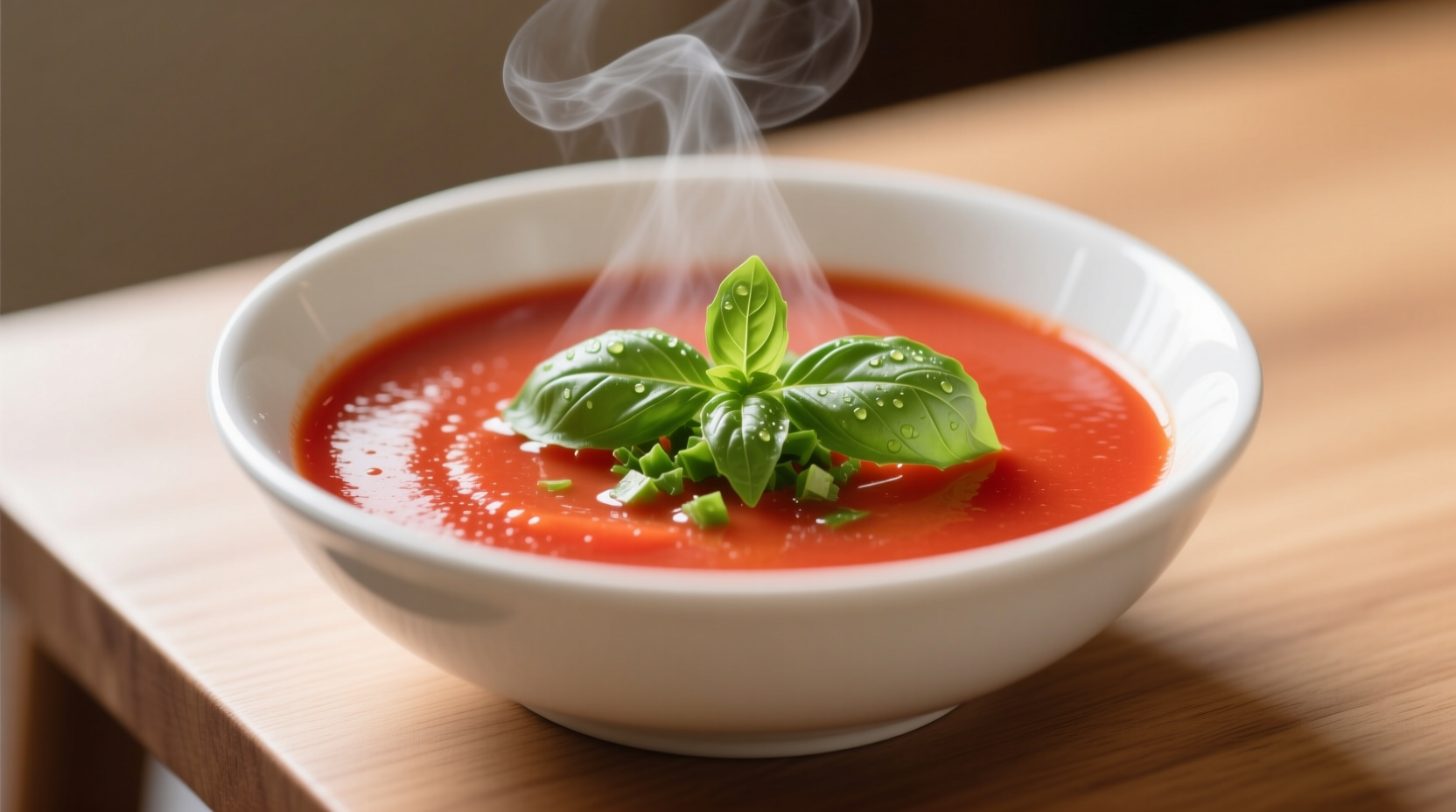
Maximizing Nutritional Value: Practical Tips
You can significantly enhance the nutritional profile of tomato soup with simple preparation adjustments. Professional chefs and nutritionists recommend these evidence-based strategies:
- Add a small amount of healthy fat (1 tsp olive oil) when preparing homemade soup to increase lycopene absorption by up to 40%
- Include black pepper to enhance antioxidant bioavailability
- Use fresh herbs instead of salt for flavor enhancement
- Blend in vegetable purees (like carrots or red peppers) to boost nutrient density without significantly altering flavor
- Choose low-sodium varieties and enhance flavor with garlic, onions, and herbs
Dietary Considerations and Special Needs
Tomato soup nutrition facts vary considerably across different dietary requirements. Understanding these variations helps you select or prepare the most appropriate version for your specific health goals.
For individuals managing hypertension, standard canned tomato soup often contains 700mg sodium per serving (30% of daily limit), while low-sodium versions provide just 140mg. The American Heart Association recommends choosing options with less than 140mg sodium per serving for heart-healthy eating.
Diabetics should note that tomato soup typically has a moderate glycemic load of 10-15, making portion control important. Adding protein sources like white beans or lean chicken can reduce the glycemic impact while increasing satiety.
Those following vegetarian or vegan diets will find standard tomato soup naturally compatible, though cream-based varieties require plant-based substitutions. Always check labels for hidden animal products in commercial varieties.
Common Questions About Tomato Soup Nutrition
Understanding these frequently asked questions helps address specific concerns when incorporating tomato soup into your regular diet.




 浙公网安备
33010002000092号
浙公网安备
33010002000092号 浙B2-20120091-4