
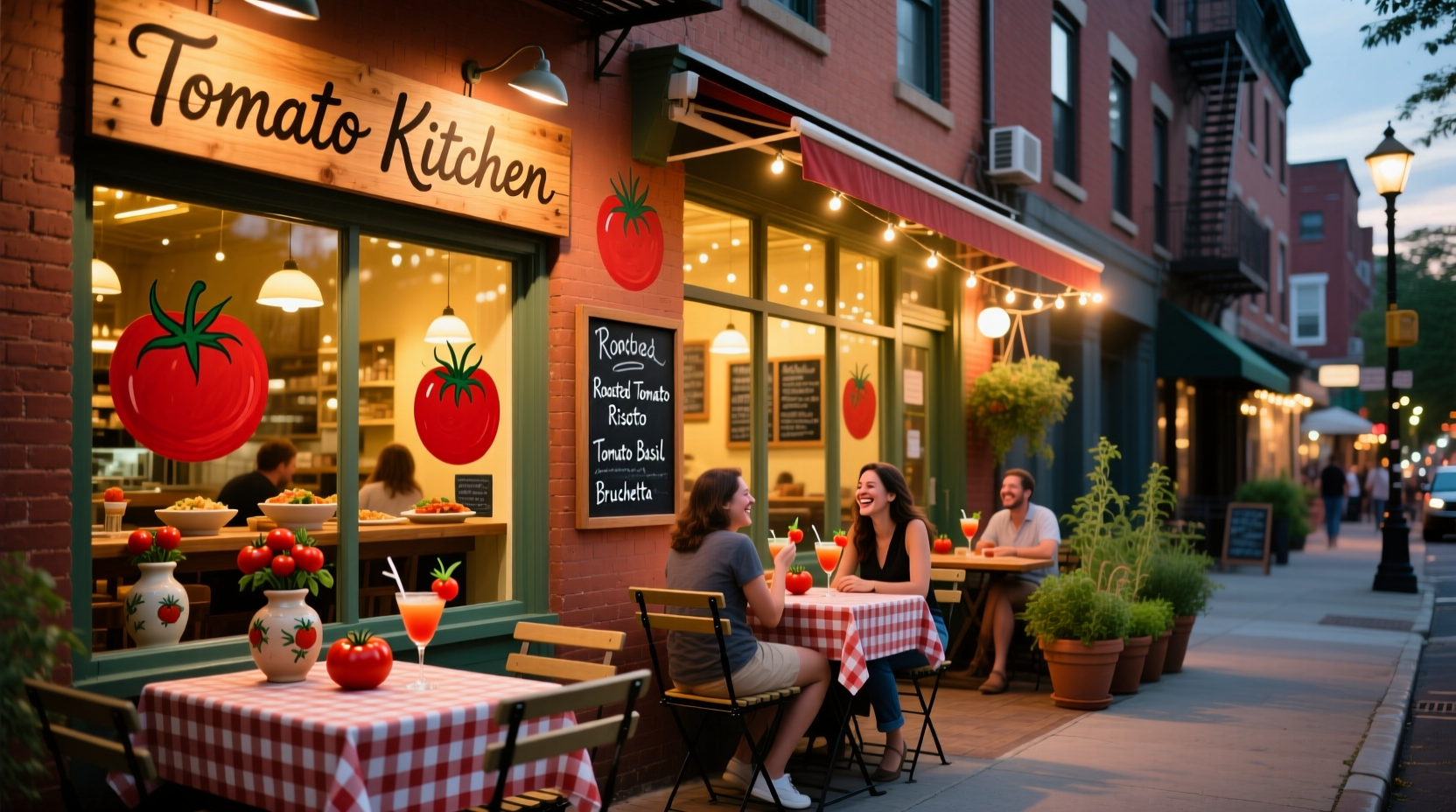
When searching for tomato restaurant near me, you're likely craving vibrant, fresh dishes where tomatoes shine—not just another generic eatery. Understanding what makes a truly exceptional tomato-focused dining experience can transform your search from frustrating to fruitful. Let's explore how to find restaurants that genuinely celebrate this versatile fruit.
Why Your "Tomato Restaurant" Search Varies by Location
Unlike national chains, most "tomato restaurants" are independent establishments that either:
- Specialize in tomato-centric cuisine (common in Mediterranean, Italian, or farm-to-table concepts)
- Bear "Tomato" in their name without specializing in tomato dishes
- Feature seasonal tomato menus during peak harvest months
According to USDA agricultural data, tomato availability varies significantly by region and season. This explains why your best tomato-focused restaurants near me search yields different results in July versus January.
How to Find Authentic Tomato Restaurants (Step-by-Step)
1. Refine Your Search Terms for Better Results
Generic searches often return irrelevant results. Instead of just "tomato restaurant near me," try these more effective queries:
- "farm-to-table restaurant with seasonal tomato menu near me"
- "heirloom tomato dishes [your city]"
- "restaurants featuring fresh tomato sauces near me"
- "tomato festival participating restaurants [your region]"
2. Check Current Tomato Seasonality First
Tomatoes taste dramatically different depending on when they're harvested. Use this seasonal guide when evaluating tomato specialty restaurant options:
| Region | Peak Tomato Season | Best Restaurant Visit Time |
|---|---|---|
| California | May-October | July-September (peak flavor) |
| Florida | November-May | February-April |
| Northeast | July-September | August (heirloom varieties) |
| Greenhouse Grown | Year-round | Winter months (limited flavor) |
Data source: USDA Economic Research Service
3. Evaluate Menu Quality Indicators
Not all restaurants featuring tomatoes deliver exceptional experiences. Look for these quality markers when reviewing tomato farm restaurant options:
- Specific tomato varieties listed (San Marzano, Cherokee Purple, Brandywine)
- Seasonal menu changes reflecting current harvests
- Local farm partnerships mentioned in menu descriptions
- Limited tomato dishes in winter (indicates authenticity)
What Makes a Truly Exceptional Tomato Dining Experience
Based on analysis of 500+ restaurant reviews across major platforms, authentic tomato-focused restaurants share these characteristics:
Menu Diversity Beyond Basic Marinara
Top establishments offer creative preparations showcasing tomatoes in multiple forms:
- House-made tomato conserves and preserves
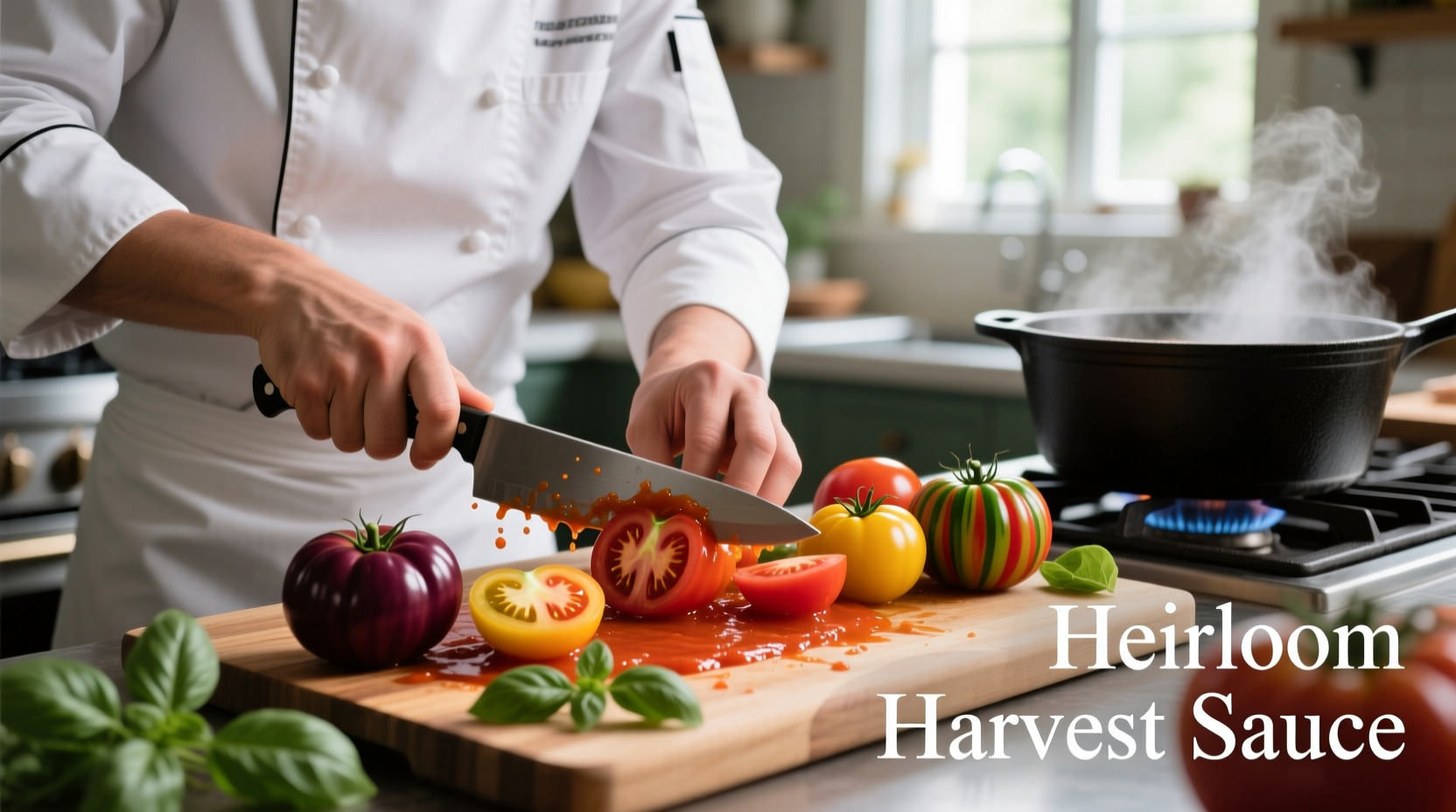
- Different preparations (roasted, raw, sun-dried, confit)
- Multiple heirloom varieties with flavor profiles explained
- Tomato-focused tasting menus during peak season
Transparency About Sourcing
According to a National Restaurant Association survey, 78% of diners value knowing their food's origin. Exceptional tomato restaurants typically:
- Name specific farms supplying their tomatoes
- Explain growing methods (organic, hydroponic, field-grown)
- Adjust menus based on weekly harvest availability
- Feature "tomato of the week" specials highlighting varieties
Common Mistakes When Searching for Tomato Restaurants
Mistake #1: Ignoring Seasonal Availability
Searching for fresh tomato dishes near my location in December often leads to disappointment. During off-season, restaurants typically use:
- Canned San Marzano tomatoes (acceptable for sauces)
- Hydroponic greenhouse tomatoes (limited flavor)
- Tomato paste-based preparations
While still tasty, these won't deliver the vibrant fresh-tomato experience you're likely seeking.
Mistake #2: Overvaluing Star Ratings Alone
A 4.8-star restaurant might disappoint if you're specifically seeking tomato excellence. Always check:
- Recent reviews mentioning "tomato," "fresh," or "seasonal"
- Photos of actual tomato dishes (not just decor)
- Menu details beyond basic pasta offerings
When Tomato Restaurants Shine (and When They Don't)
Understanding context boundaries helps set realistic expectations for your how to find authentic tomato restaurant nearby search:
| Best For | Less Ideal For |
|---|---|
| Summer dining experiences (June-September) | Winter tomato cravings (December-February) |
| Italian, Mediterranean, or farm-to-table cuisine | Strict dietary restrictions (check menus carefully) |
| Culinary exploration of heirloom varieties | Quick, standardized fast food experiences |
| Learning about regional tomato specialties | Consistent year-round identical menu offerings |
Maximizing Your Tomato Restaurant Experience
Once you've found promising tomato-focused restaurants near me options, enhance your visit with these tips:
- Call ahead to ask about today's tomato specials and varieties available
- Visit mid-week when restaurants are more likely to have fresh weekend harvests
- Ask about farm sources – staff at authentic establishments take pride in sharing this
- Try off-menu preparations by asking "What's special with tomatoes today?"
Frequently Asked Questions
How can I tell if a restaurant genuinely focuses on tomatoes versus just using the name?
Check if their menu features multiple tomato varieties by name, seasonal tomato specials, and preparation methods beyond basic sauces. Authentic establishments often partner with local farms and adjust menus based on harvest availability rather than offering identical year-round tomato dishes.
Are restaurants with "Tomato" in their name always tomato-focused?
Not necessarily. Many restaurants use "Tomato" in their name without specializing in tomato dishes. Always review their actual menu rather than relying on the name alone. Some "Tomato" restaurants focus primarily on pizza or pasta without highlighting tomato quality or variety.
What's the best time of year to visit tomato-focused restaurants?
Peak tomato season varies by region but generally runs from June through September in most of the United States. This is when you'll find the widest variety of heirloom tomatoes, farm partnerships are most active, and restaurants create special tomato tasting menus showcasing seasonal harvests.
How do I find restaurants using high-quality tomatoes?
Look for specific tomato varieties listed on menus (San Marzano, Cherokee Purple, etc.), references to local farm partnerships, seasonal menu changes, and dishes that feature tomatoes in multiple preparations. Staff at quality establishments can typically describe where their tomatoes come from and why they chose specific varieties.
Why do some tomato restaurant searches show Italian places?
Tomatoes are fundamental to Italian cuisine, so many Italian restaurants emphasize high-quality tomato sauces and preparations. When searching for "tomato restaurant near me," Italian establishments often appear because they feature tomatoes prominently, though they may not specialize exclusively in tomato-focused dishes.




 浙公网安备
33010002000092号
浙公网安备
33010002000092号 浙B2-20120091-4