
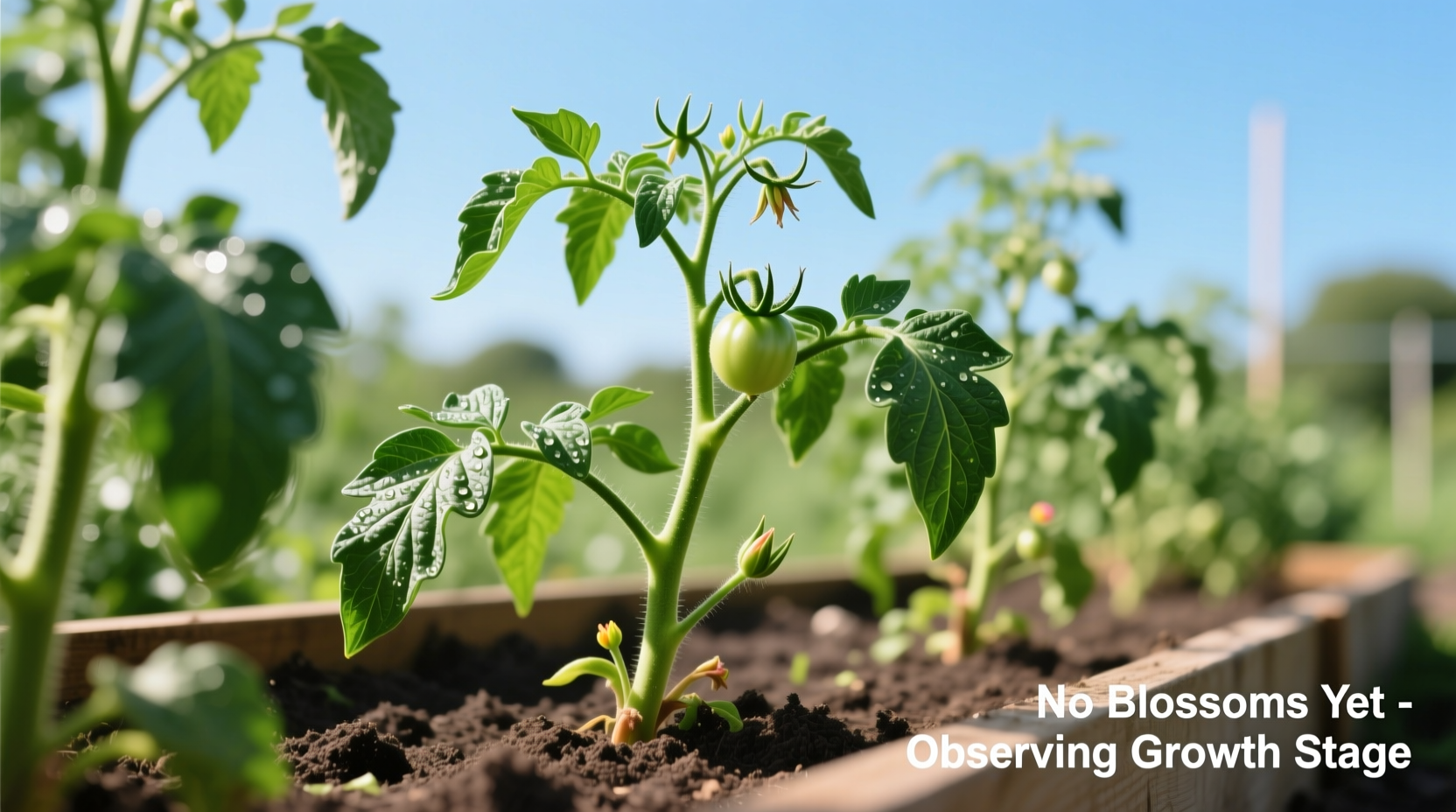
If your tomato plants aren't producing blossoms, the most common causes are improper temperatures (below 55°F or above 90°F), excessive nitrogen fertilizer, inadequate sunlight (less than 6-8 hours daily), or premature pruning. Most issues can be resolved by adjusting environmental conditions, balancing nutrients, and ensuring proper plant maturity before expecting blooms.
Nothing frustrates a home gardener more than watching healthy tomato plants grow vigorously without producing a single blossom. You've prepared the soil, watered consistently, and watched your plants thrive—yet no flowers appear. This comprehensive guide reveals exactly why tomato plants fail to blossom and provides science-backed solutions you can implement immediately.
Confirming Your Blossom Problem
Before troubleshooting, verify you're dealing with a genuine blossom issue:
- Plant maturity: Most tomato varieties need 45-60 days from transplanting before blossoming
- Variety differences: Some heirloom varieties bloom later than hybrids
- Seasonal timing: Early-season tomatoes typically blossom 6-8 weeks after planting
| Normal Development Stage | Expected Timeline | When to Worry |
|---|---|---|
| Transplant establishment | 1-2 weeks | Plants showing stress symptoms |
| Vegitative growth | 2-6 weeks | No new growth for 10+ days |
| First blossom appearance | 6-8 weeks | No blossoms after 9 weeks |
Top 5 Reasons for Missing Tomato Blossoms
1. Temperature Extremes
Tomato plants require specific temperature ranges for blossom production. According to research from the University of Minnesota Extension, blossom formation stops when:
- Night temperatures remain below 55°F (13°C)
- Day temperatures exceed 90°F (32°C)
- Soil temperatures stay below 60°F (16°C)
Solution: Use black plastic mulch to warm soil early in the season and provide afternoon shade during extreme heat. Row covers can protect against cool nights.
2. Nutrient Imbalance
Excessive nitrogen promotes leafy growth at the expense of blossoms. The Oregon State University Extension confirms that nitrogen-heavy fertilizers cause "luxury consumption" where plants focus energy on vegetative growth rather than reproduction.
3. Inadequate Sunlight
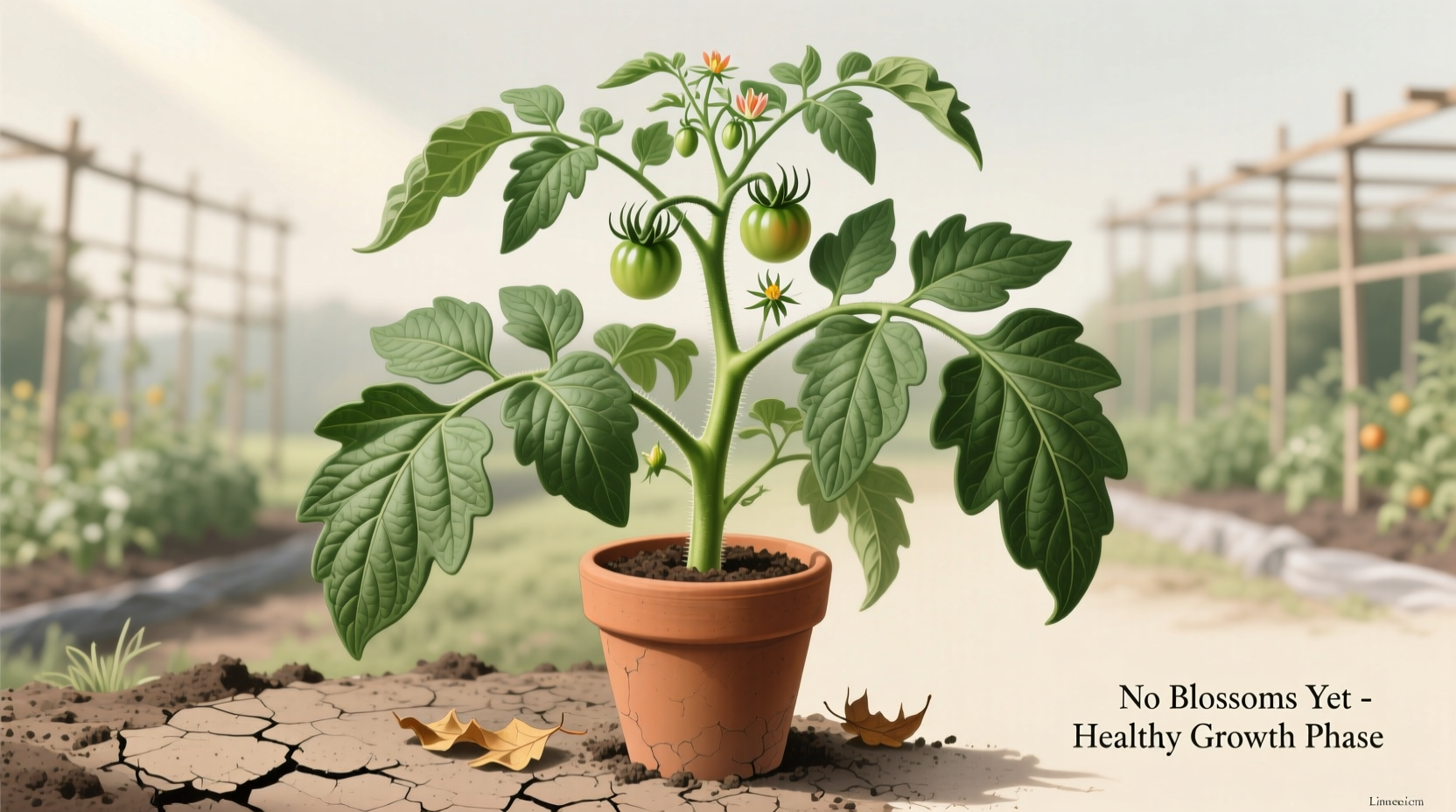
Tomato plants require 6-8 hours of direct sunlight daily for proper blossom development. Plants receiving less than 6 hours typically produce few or no blossoms. This isn't just about quantity—the quality of light matters too. Plants in filtered or dappled sunlight often struggle to initiate flowering.
4. Watering Issues
Inconsistent watering stresses plants and disrupts blossom production. Research from Utah State University Extension shows that both underwatering and overwatering create physiological stress that prevents blossom formation. The critical factor is maintaining consistent soil moisture at 60-80% field capacity.
5. Premature Pruning
Many gardeners mistakenly prune tomato plants too early. Removing suckers before the plant has established sufficient foliage reduces the plant's energy production capacity. Wait until plants have 8-10 true leaves and are actively growing before beginning selective pruning.
Context-Specific Solutions
Not all solutions work universally. Consider these context boundaries when implementing fixes:
- Container gardening: Potted plants experience more temperature fluctuations—use thermal mass like water bottles to stabilize root zone temperatures
- Early season planting: Wait until soil temperatures reach 60°F before transplanting
- Hot climate gardening: Choose heat-tolerant varieties like 'Solar Fire' or 'Heatmaster'
- Cool climate gardening: Use wall o' water protectors to create microclimates
Preventing Future Blossom Failures
Implement these proactive measures for reliable blossom production:
- Select appropriate varieties for your climate zone
- Test soil before planting to identify nutrient imbalances
- Use balanced fertilizer with higher phosphorus content (look for NPK ratios like 5-10-5)
- Monitor soil temperature with a simple thermometer
- Practice proper pruning only after plants are well-established
When to Expect Results
After implementing corrective measures, most tomato plants will begin producing blossoms within 7-14 days. If no improvement occurs after 21 days, consider more significant interventions like replanting with a different variety better suited to your growing conditions.
Frequently Asked Questions
How long after planting should tomato plants start blooming?
Most tomato varieties begin blooming 6-8 weeks after transplanting into the garden. Early varieties may bloom in as little as 45 days, while some heirloom varieties can take 60-70 days to produce their first blossoms.
Can too much fertilizer prevent tomato plants from flowering?
Yes, excessive nitrogen fertilizer promotes leafy growth at the expense of blossoms. Use a balanced fertilizer with higher phosphorus content (like 5-10-5) once plants begin flowering to encourage blossom production without excessive foliage.
Do tomato plants need to be pruned to produce blossoms?
Pruning isn't required for blossom production, but proper pruning can improve air circulation and direct energy toward fruit production. Avoid pruning until plants have 8-10 true leaves and are actively growing, as premature pruning reduces the plant's energy production capacity needed for flowering.
Why are my tomato plants growing leaves but no flowers?
This typically indicates excessive nitrogen in the soil, inadequate sunlight (less than 6 hours daily), or temperature extremes. Check your fertilizer regimen, ensure plants receive sufficient direct sunlight, and monitor for temperature conditions outside the ideal 55-90°F range that disrupt blossom formation.




 浙公网安备
33010002000092号
浙公网安备
33010002000092号 浙B2-20120091-4