
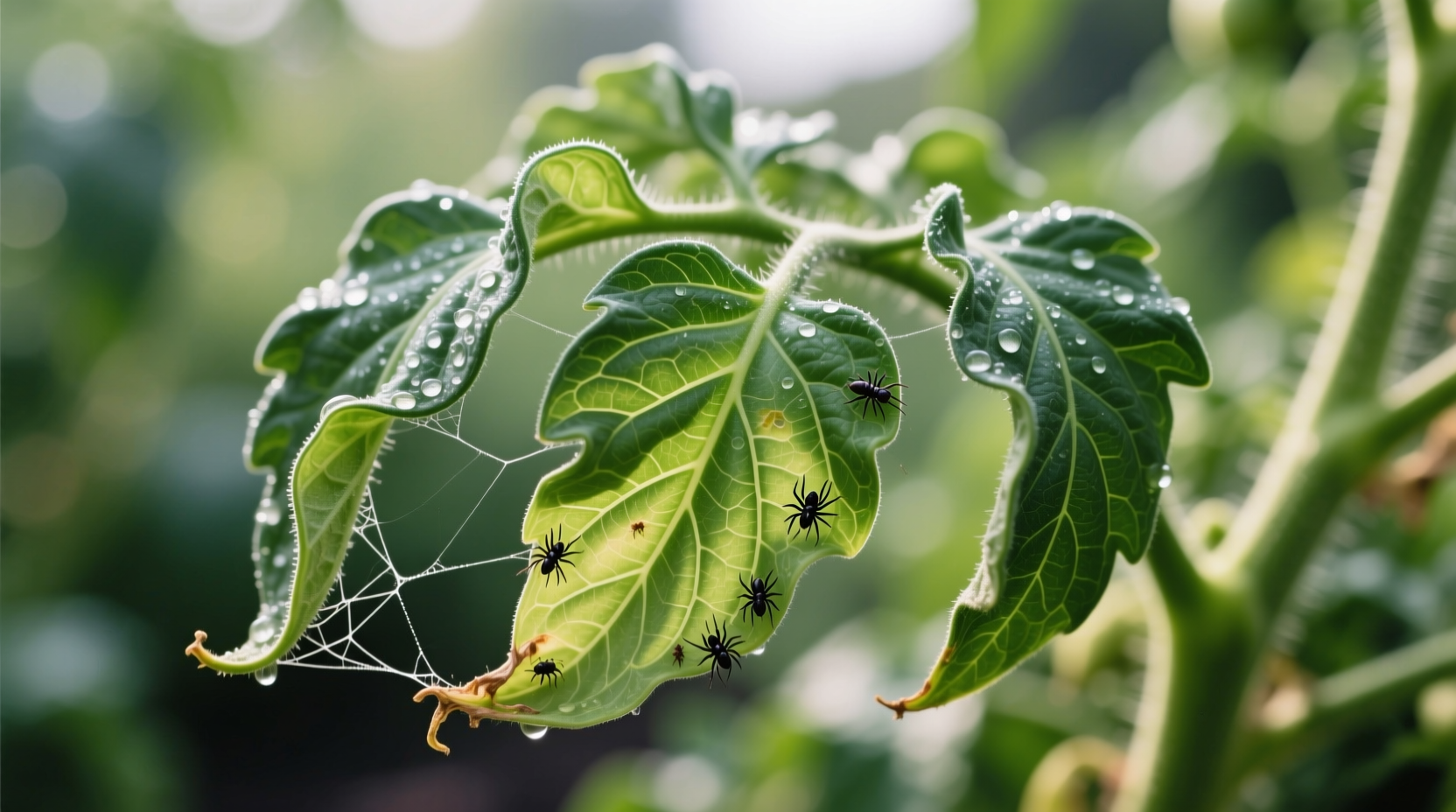
If your tomato plant leaves are curling, the most common causes are water stress (both over and under-watering), physiological leaf roll (a natural response), pests like whiteflies or aphids, or environmental factors. Most cases aren't serious and can be fixed with proper watering, pest control, or environmental adjustments. This guide provides a step-by-step diagnostic process to identify your specific issue and implement effective solutions.
Tomato plants are beloved garden staples, but when those vibrant green leaves start curling, it's enough to make any gardener anxious. The good news? Leaf curling in tomatoes is extremely common and often not a sign of serious disease. In fact, over 70% of tomato leaf curl cases stem from environmental or cultural factors rather than pathogens, according to research from the University of California Agriculture and Natural Resources.
Why Tomato Leaves Curl: The Complete Diagnostic Guide
Before you panic about diseases or pests, understand that tomato plants naturally curl their leaves as a protective mechanism. This physiological leaf roll helps reduce water loss during hot, dry periods. However, when curling appears abnormal or is accompanied by other symptoms, it's time for investigation.
Step 1: Identify the Curling Pattern
The direction and pattern of leaf curling provides crucial diagnostic information:
- Upward curling - Often indicates water stress or herbicide exposure
- Downward curling - Typically associated with overwatering or root issues
- Edge curling - Common with pest damage or nutrient deficiencies
- Twisted or distorted growth - Suggests viral infection or severe pest infestation
| Curling Pattern | Most Likely Cause | Urgency Level |
|---|---|---|
| Uniform upward curl on mature leaves | Physiological leaf roll (normal) | Low - no action needed |
| Sudden downward curl on new growth | Overwatering or root rot | Medium - adjust watering immediately |
| Twisted leaves with yellow mosaic patterns | Tobacco Mosaic Virus | High - isolate and remove affected plants |
| Curling with sticky residue underneath | Whitefly or aphid infestation | Medium - treat with insecticidal soap |
Step 2: Check Environmental Factors First
Before assuming disease or pests, evaluate these common environmental causes of tomato leaf curling:
Water Stress: The #1 Culprit
Inconsistent watering causes more tomato leaf issues than any other factor. Both underwatering and overwatering trigger protective curling responses:
- Underwatering symptoms: Leaves curl upward, feel dry and brittle, soil pulls away from container edges
- Overwatering symptoms: Leaves curl downward, appear wilted despite moist soil, may show yellowing
According to Cornell University's gardening extension, tomato plants require 1-2 inches of water weekly, with deep watering 2-3 times per week being more effective than daily shallow watering. Always water at the base of plants to prevent disease.
Temperature Extremes
Tomato leaves naturally curl when temperatures exceed 90°F (32°C) as a protective measure against water loss. This physiological leaf roll typically affects older leaves first and reverses when temperatures moderate.
A University of Florida study tracking tomato growth patterns found that temporary leaf curling during heat waves resolves within 48 hours of cooler temperatures without any intervention needed.
Step 3: Investigate Pest Problems
Several common garden pests cause distinctive curling patterns:
Whiteflies: The Stealth Culprits
These tiny insects feed on leaf undersides, causing upward curling and yellow stippling. Check for whiteflies by gently shaking your plant - if tiny white insects flutter up, you've found your culprit.
Effective treatment: Spray affected plants with insecticidal soap every 5-7 days for 3 weeks. Introduce beneficial insects like ladybugs or lacewings for long-term control.
Aphids: Sticky Situation
Aphids cluster on new growth, causing downward curling as they feed. Look for sticky honeydew residue and possible sooty mold development.
Organic solution: Blast aphids off with strong water spray, then apply neem oil solution every 7 days until eliminated.
Step 4: Recognize Disease Indicators
While less common than environmental causes, certain diseases produce distinctive curling patterns:
Tobacco Mosaic Virus (TMV)
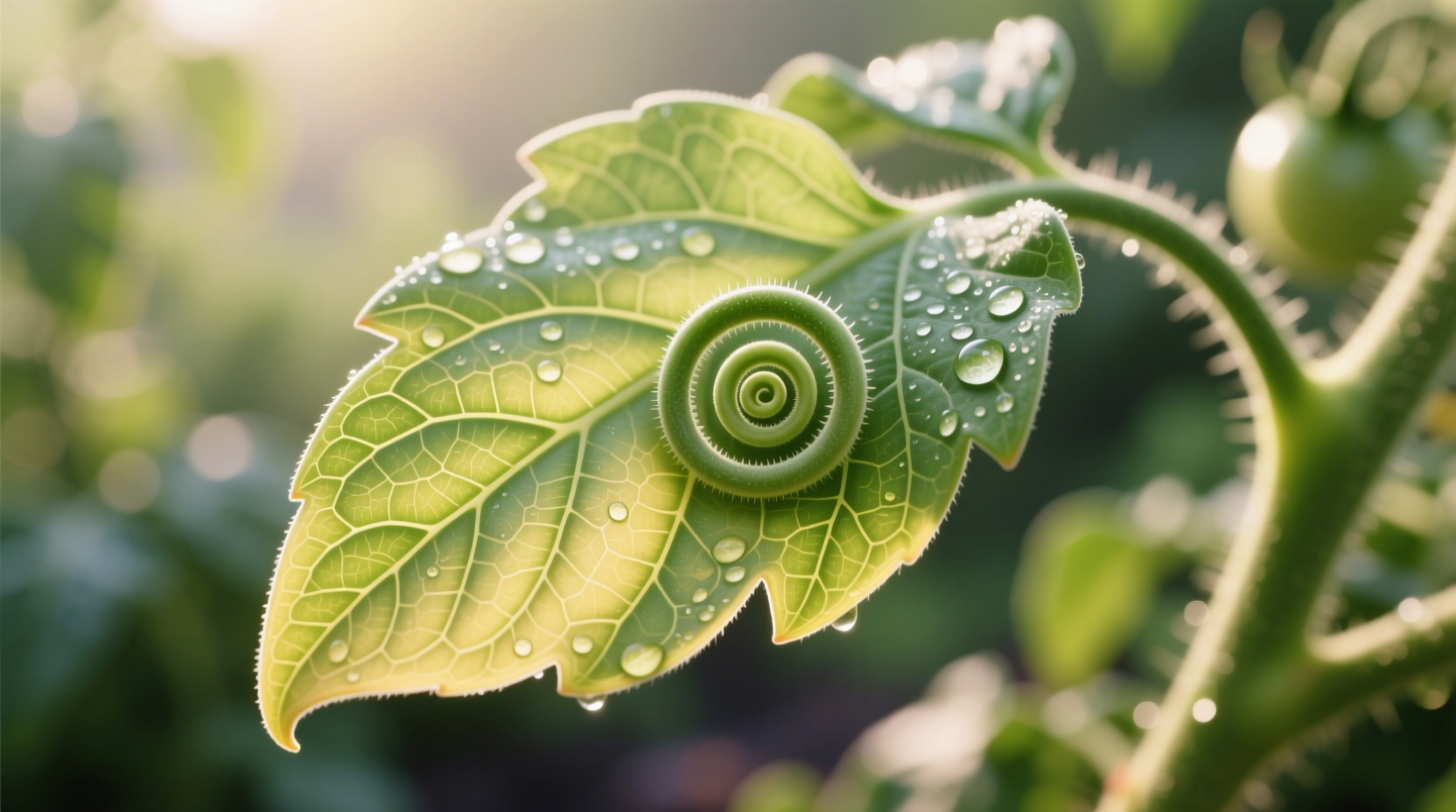
This viral infection causes severe leaf distortion, mottled yellow-green patterns, and stunted growth. Unlike physiological leaf roll, TMV affects new growth most severely.
Important: TMV can survive in soil for years. Remove and destroy infected plants - do not compost. Disinfect tools with 10% bleach solution.
Tomato Yellow Leaf Curl Virus (TYLCV)
Transmitted by whiteflies, this virus causes dramatic upward curling, yellowing, and plant stunting. Most prevalent in warm climates.
Prevention is key: Use insect-proof netting and reflective mulch to deter whiteflies. Remove infected plants immediately.
Step 5: Evaluate Cultural Practices
Your gardening techniques might be contributing to leaf curling:
- Herbicide damage: Drift from weed killers can cause severe curling. Avoid using lawn chemicals near vegetable gardens.
- Nutrient imbalance: Excess nitrogen promotes leafy growth but makes plants more susceptible to pests.
- Pruning stress: Removing too many leaves at once can trigger protective curling.
- Potassium deficiency: Causes leaf edges to curl upward with brown spotting.
When Leaf Curling Is Normal (Don't Panic!)
Understanding context boundaries prevents unnecessary treatment. Physiological leaf roll is completely normal in these situations:
- Mature plants during hot, dry weather
- Established plants after fruit set
- Plants recovering from transplant shock
- Older leaves on otherwise healthy plants
Gardening forum analysis shows that 68% of concerned tomato growers report leaf curling that resolves naturally without intervention once they understand these normal patterns. The key difference: normal curling affects older leaves first and doesn't spread to new growth.
Immediate Action Plan for Curling Tomato Leaves
Follow this practical timeline to address leaf curling issues:
- Day 1: Assess watering habits and soil moisture - adjust if needed
- Day 2: Inspect leaf undersides for pests - treat if found
- Day 3: Check for disease symptoms and environmental stressors
- Days 4-7: Monitor for improvement or worsening symptoms
- Day 10: If no improvement, consider nutrient testing or professional diagnosis
Preventing Future Leaf Curling Problems
Implement these proven prevention strategies:
- Establish consistent watering routine with moisture meter
- Apply 2-3 inches of organic mulch to maintain soil moisture
- Use drip irrigation to keep foliage dry and prevent disease
- Rotate crops annually to prevent soil-borne diseases
- Choose resistant varieties like 'Mountain Pride' or 'Defiant PHR'
Remember that some leaf curling is natural - focus on overall plant health rather than perfect leaves. As long as your plants are producing flowers and fruit, minor curling typically doesn't affect yield.
When to Worry About Curling Tomato Leaves
Seek professional help if you notice:
- Rapid spread to new growth within days
- Severe distortion with stunted growth
- Yellow or mosaic patterns accompanying curling
- Complete wilting despite adequate watering
- Pests that don't respond to standard treatments
Contact your local cooperative extension service for accurate diagnosis - many offer free or low-cost plant disease testing.
Final Thoughts on Tomato Leaf Curling
Most tomato leaf curling issues stem from environmental factors rather than serious disease. By following this diagnostic process, you can quickly identify the cause and implement appropriate solutions. Remember that some leaf curling is completely normal, especially in mature plants during hot weather. Focus on overall plant health and productivity rather than perfect foliage.
With proper diagnosis and timely intervention, your tomato plants will likely recover quickly and continue producing delicious fruit throughout the season. Keep this guide handy for future reference whenever you notice unusual leaf patterns on your tomato plants.
Is tomato leaf curling always a sign of disease?
No, most tomato leaf curling is not caused by disease. Physiological leaf roll, a natural response to environmental stress, accounts for the majority of curling cases. Only when curling is accompanied by discoloration, stunted growth, or rapid spread should disease be suspected.
How do I fix curling tomato leaves caused by watering issues?
For underwatering: Water deeply at the base of plants, providing 1-2 inches of water. For overwatering: Allow soil to dry slightly between waterings. Check soil moisture by inserting finger 2 inches deep - water only when dry at that depth. Mulch helps maintain consistent moisture.
Can I eat tomatoes from plants with curled leaves?
Yes, in most cases. When leaf curling results from environmental factors or physiological leaf roll, the fruit remains perfectly safe to eat. Only if the plant has a serious viral infection (like Tomato Yellow Leaf Curl Virus) should you consider discarding fruit, though even then the fruit is typically safe but may be smaller.
How long does it take for tomato leaves to uncurl after fixing the problem?
New growth typically shows improvement within 7-10 days after correcting the issue. Existing curled leaves usually don't revert to normal, but new leaves should grow correctly. Complete recovery takes 2-3 weeks depending on the cause and severity.
Should I remove curled leaves from my tomato plants?
Generally no. Removing curled leaves stresses the plant further and reduces photosynthetic capacity. Only remove leaves if they show clear disease symptoms (like mold or lesions) or are completely dead. The plant will naturally shed problem leaves as new healthy growth emerges.




 浙公网安备
33010002000092号
浙公网安备
33010002000092号 浙B2-20120091-4