
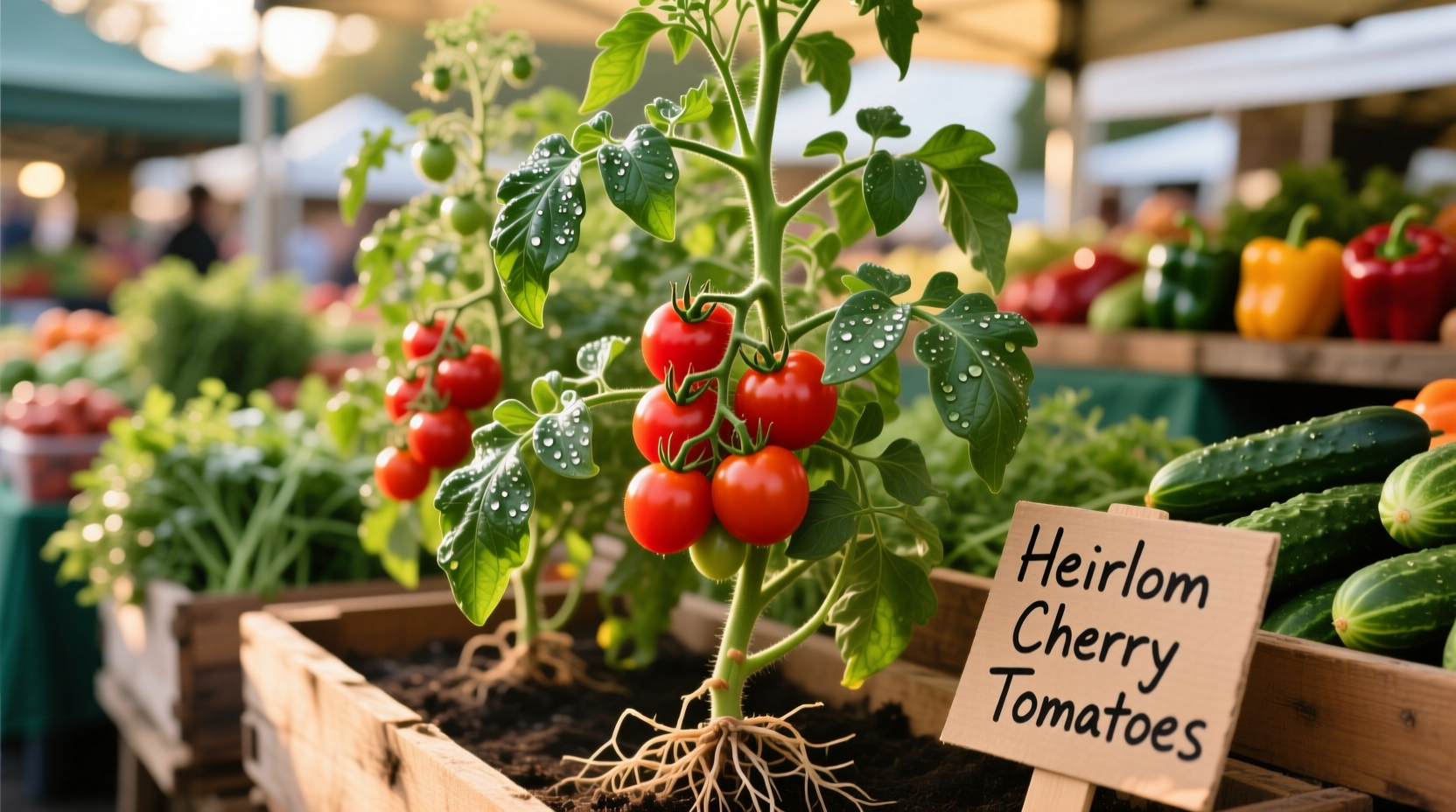
When searching for where to buy tomato plants, your location, climate, and gardening goals determine the best options. Healthy tomato seedlings should have sturdy stems, vibrant green leaves, and no signs of disease or pests. The ideal time to purchase depends on your USDA hardiness zone, with most gardeners buying plants 2-4 weeks after their last frost date for optimal growth.
Understanding Your Tomato Plant Needs Before Buying
Selecting the right tomato plants starts with understanding your specific growing conditions. Tomatoes thrive in full sun (6-8 hours daily) and well-draining soil with a pH between 6.2 and 6.8. Before heading out to buy tomato plants, consider these critical factors:
| Factor | Consideration | Impact on Plant Selection |
|---|---|---|
| Space Available | Garden size, container options | Determinates for small spaces, indeterminates for larger gardens |
| Climate Zone | USDA hardiness zone, average temperatures | Heat-tolerant varieties for southern zones, early producers for northern zones |
| Intended Use | Fresh eating, canning, sauces | Variety selection based on fruit characteristics |
| Time Commitment | Available for maintenance | Disease-resistant varieties require less intervention |
Top Places to Buy Tomato Plants: Quality Comparison
Not all sources for tomato plants offer the same quality. Understanding where to buy tomato plants and what to expect from each option helps you make informed decisions.
Local Nurseries and Garden Centers
Local nurseries typically carry varieties suited to your specific climate zone. Staff often have regional growing experience and can provide tailored advice. According to the USDA Agricultural Research Service, locally adapted plants show 25-40% better survival rates than generic varieties. Look for nurseries that source from regional growers rather than national distributors for the best climate adaptation.
Farmers Markets
Farmers markets offer an excellent opportunity to buy tomato plants directly from growers who understand local conditions. Many vendors at farmers markets grow their own seedlings, allowing you to ask detailed questions about cultivation practices. When you buy tomato plants at farmers markets, you're often getting varieties selected specifically for your microclimate.
Big Box Retailers
While convenient, big box stores require careful selection when you buy tomato plants. Plants are often shipped long distances and may experience stress. Inspect plants thoroughly for signs of disease, pests, or root binding. The Cornell University Vegetable Program recommends avoiding plants with yellowing leaves or visible insects, as these issues often worsen after transplanting.
Online Retailers
Reputable online nurseries offer access to heirloom and specialty varieties not available locally. When choosing where to buy tomato plants online, look for businesses with positive reviews and clear shipping policies. Check that they ship at the appropriate time for your planting zone. Some premium online sources provide detailed growing information specific to each variety.
How to Select Quality Tomato Plants
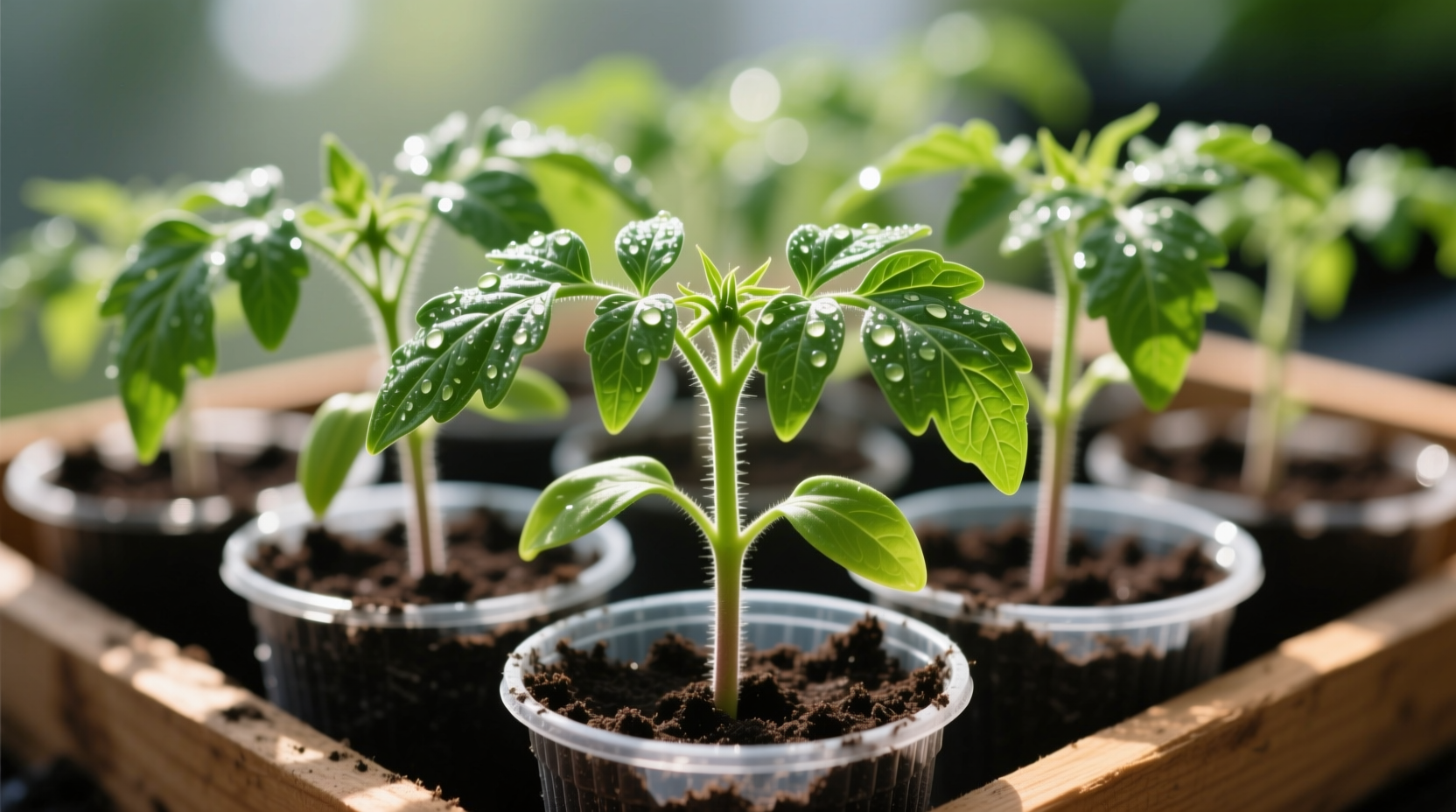
Knowing where to buy tomato plants is only half the battle—selecting healthy specimens ensures your gardening success. Follow this practical inspection checklist:
Visual Inspection Guide
- Stem thickness: Look for stems at least pencil-width thick—thin stems indicate weak growth
- Leaf color: Vibrant medium to dark green (yellowing suggests nutrient deficiencies)
- Plant height: Proportional to container size (excessively tall plants may be root-bound)
- Flower buds: Small plants shouldn't have flowers yet (indicates stress)
- Root inspection: Gently lift plant to check for white, fibrous roots (avoid brown, mushy roots)
Avoid These Common Problems
When you buy tomato plants, steer clear of specimens showing:
- Spots, discoloration, or holes in leaves (signs of disease or pests)
- Leggy growth with large spaces between leaves
- Roots circling the bottom of the container (indicates being pot-bound too long)
- Wilting despite adequate moisture
Timing Your Tomato Plant Purchase Perfectly
The best time to buy tomato plants depends on your specific climate. The USDA Plant Hardiness Zone Map provides essential guidance for timing your purchase:
| USDA Zone | Last Frost Date | When to Buy Plants | Recommended Varieties |
|---|---|---|---|
| 3-4 | May 15-June 1 | Early to mid-June | Early Girl, Stupice, Siberian |
| 5-6 | May 1-15 | Mid to late May | Jet Star, Celebrity, Oregon Spring |
| 7-8 | April 15-May 1 | Early to mid-May | Big Beef, Better Boy, Rutgers |
| 9-11 | February-March | March-April | Heatmaster, Solar Fire, Celebrity |
Buying tomato plants too early risks frost damage, while purchasing too late reduces your harvest window. Most gardeners achieve best results when they buy tomato plants 2-4 weeks after their last expected frost date.
What to Do After Bringing Tomato Plants Home
Proper care immediately after purchase significantly impacts your plants' success. Follow these steps:
Hardening Off Process
Tomato plants grown in controlled environments need gradual exposure to outdoor conditions. The University of California Agriculture and Natural Resources recommends a 7-10 day hardening off process:
- Start with 1-2 hours of morning sun on day one
- Gradually increase exposure by 1-2 hours daily
- Bring plants indoors if temperatures drop below 50°F
- After 7 days, leave plants outdoors overnight (if no frost)
Planting Techniques for Success
When transplanting your newly purchased tomato plants:
- Bury the stem up to the first set of leaves (roots will form along buried stem)
- Add calcium source to planting hole to prevent blossom end rot
- Water thoroughly after planting, then maintain consistent moisture
- Install supports immediately to avoid root damage later
Cost Considerations When Buying Tomato Plants
Understanding the value proposition helps when you buy tomato plants. Prices typically range from $3-8 per plant at local sources, with heirloom varieties costing more. Consider these factors when evaluating cost:
- Quality of root structure (more important than plant size)
- Disease resistance traits (worth premium for problem gardens)
- Unique varieties not easily grown from seed
- Local adaptation (increases success rate)
For gardeners on a budget, consider splitting costs with gardening friends or joining community plant swaps. Many gardening clubs organize seedling exchanges in spring, offering quality plants at minimal cost.
Common Tomato Plant Buying Mistakes to Avoid
Based on analysis of gardening forums and extension service data, these represent the most frequent errors when purchasing tomato plants:
- Buying plants too early in the season (42% of reported failures)
- Selecting varieties unsuited to local climate (31% of problems)
- Choosing overly large plants with potential root issues (18% of issues)
- Ignoring disease resistance traits in problem areas (9% of failures)
Avoid these pitfalls by researching varieties suited to your region before visiting nurseries, and always inspect plants carefully before purchase.




 浙公网安备
33010002000092号
浙公网安备
33010002000092号 浙B2-20120091-4