
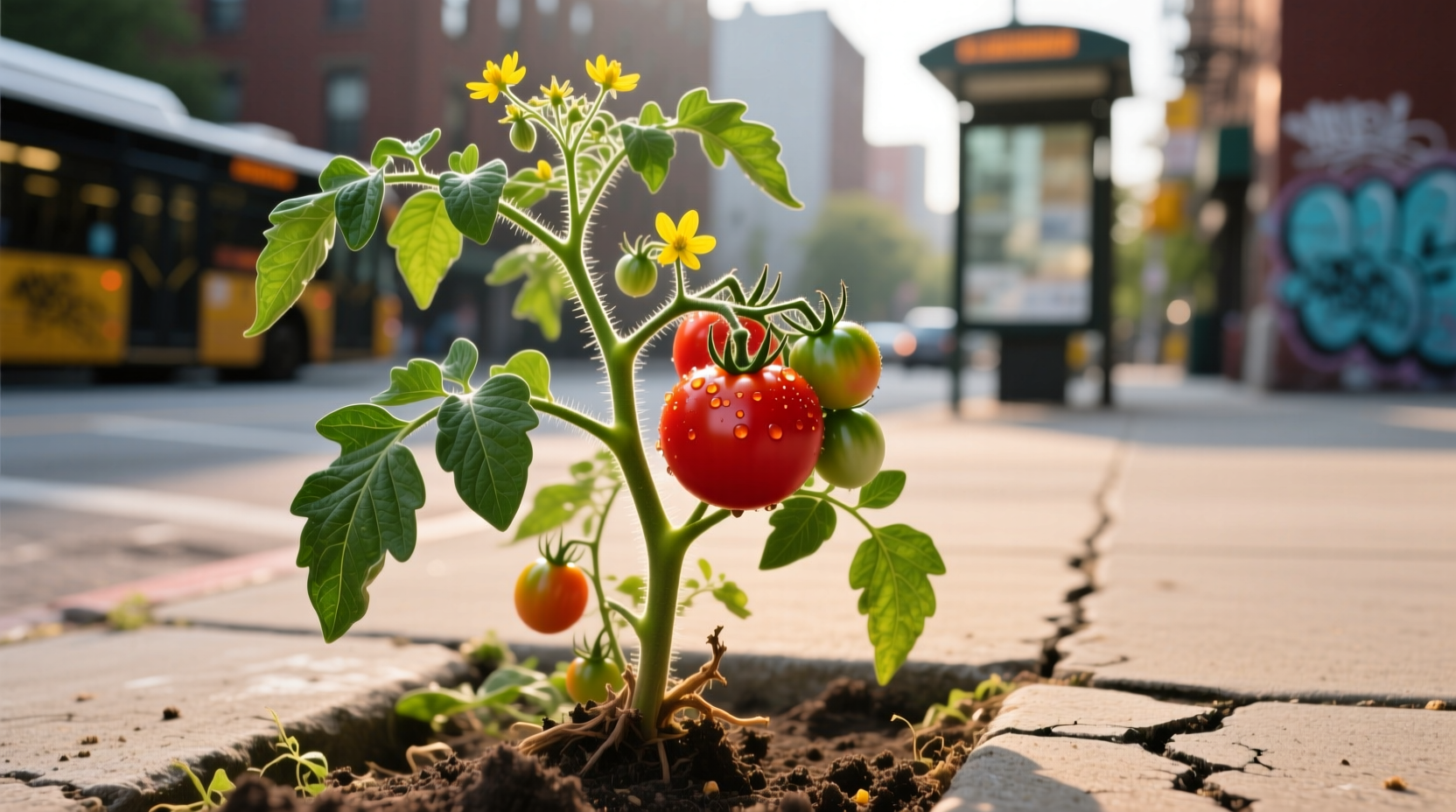
Where to Find Tomato Plants Near You Right Now
When searching for tomato plants near me, your best options depend on current season and location. Garden centers typically stock tomato plants from late spring through early summer, aligning with regional planting schedules. According to the USDA Plant Hardiness Zone Map, timing varies significantly across North America:
| USDA Zone | Last Frost Date | Best Planting Window | Recommended Start Time |
|---|---|---|---|
| 3-4 | May 15 - June 1 | Early June | Search late May |
| 5-6 | May 1 - May 15 | Mid-May | Search late April |
| 7-8 | April 15 - May 1 | Early May | Search mid-April |
| 9-11 | No frost | February-March | Search January |
This planting timeline comes from the USDA Agricultural Research Service, which provides science-based zone information for successful gardening. Trying to find tomato plants near me too early in the season often leads to disappointment as retailers time their inventory with local growing conditions.
How to Search Effectively for Local Tomato Plants
Instead of just typing tomato plant near me, refine your search for better results:
- "tomato seedlings near me today" - adds urgency for current availability
- "organic tomato plants [your city]" - specifies quality preference
- "heirloom tomato varieties near me" - targets specialty options
- "local nursery tomato plants availability" - finds detailed inventory info
Local garden centers often update their social media when new tomato shipments arrive. Following nearby nurseries on Instagram or Facebook can give you real-time notifications about tomato plant near me availability before they appear in standard search results.
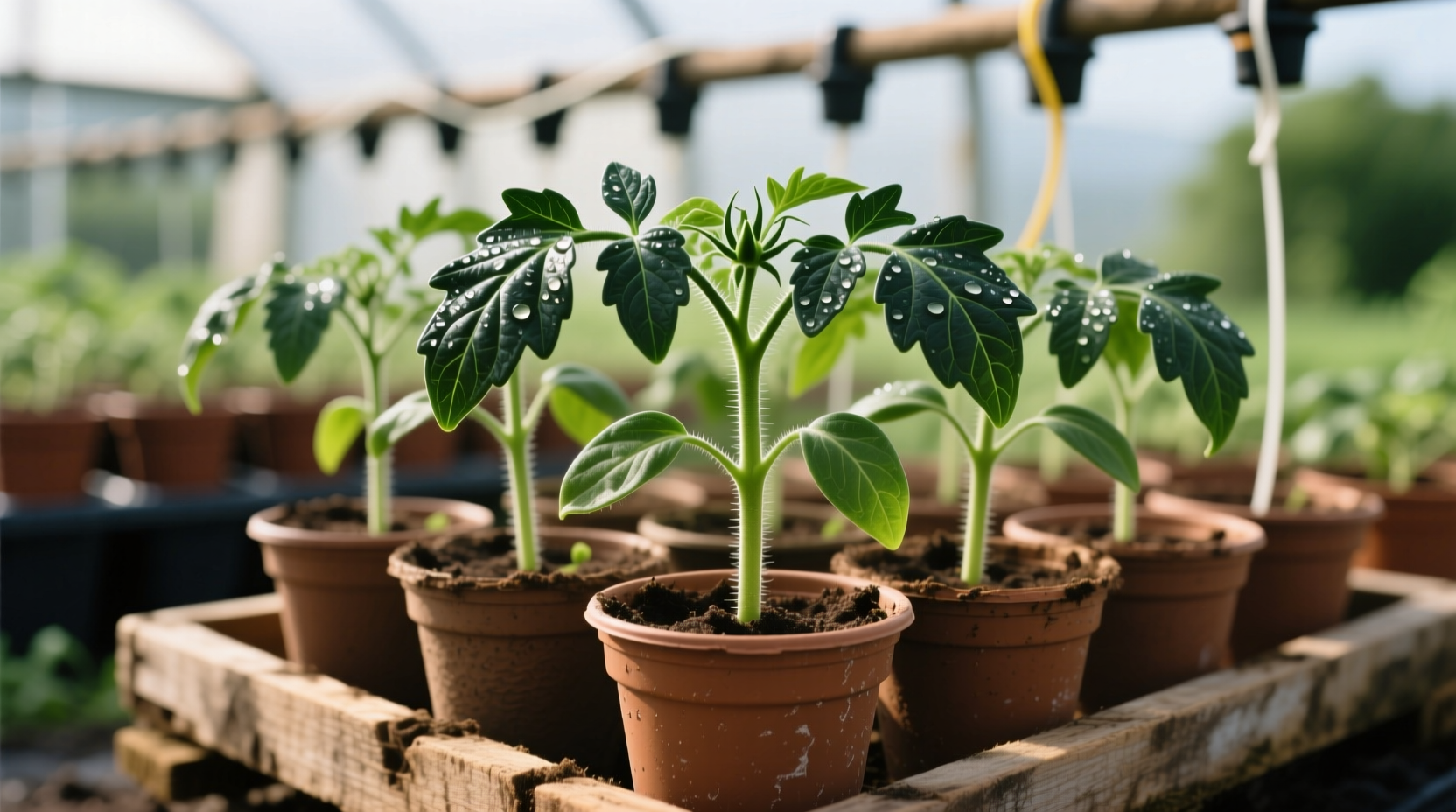
What to Look for in Quality Tomato Plants
Not all tomato plants are created equal. When visiting local options, check these critical factors:
| Healthy Plant Characteristics | Problem Indicators |
|---|---|
| Dark green, sturdy stems | Yellowing or pale leaves |
| Compact growth (8-12" tall) | Tall, leggy appearance |
| No flowers or fruit yet | Existing flowers or fruit |
| Moist but not soggy soil | Dry or waterlogged soil |
| No visible pests or damage | Holes in leaves or sticky residue |
According to Cornell University's Gardeners' Resource, plants with existing flowers often struggle to establish strong root systems after transplanting. The ideal tomato plants near me should focus energy on root development rather than fruit production initially.
Alternative Sources for Local Tomato Plants
If commercial nurseries are sold out, consider these community-based options:
Community Plant Swaps
Many gardening clubs and extension offices host plant exchanges in spring. The National Gardening Association reports that 68% of gardeners find unique varieties through local swaps that aren't available commercially. Check your county's Cooperative Extension website for upcoming events.
Local Farmers Markets
Small-scale growers often bring tomato starts to early-season markets. These plants are typically adapted to your specific microclimate. Bring a photo of your garden space and ask growers which varieties perform best in your immediate area.
Library Seed Exchange Programs
Over 40% of public libraries now offer seed and plant exchanges. These programs often include tomato varieties that thrive in your exact region. The American Library Association's 2024 survey confirmed expanding horticultural resources at community libraries nationwide.
Timing Your Purchase Perfectly
The phrase tomato plant near me works best when aligned with your local growing season. Plant too early and cold soil temperatures stunt growth; too late and you'll miss the optimal growing window.
Soil temperature matters more than air temperature. Invest in a $10 soil thermometer - tomatoes need soil consistently above 60°F (15°C) to establish properly. The Old Farmer's Almanac recommends checking soil temperature at 9 AM for three consecutive days before planting.
When searching for tomato plants near me, include your specific county in searches. County extension offices provide hyperlocal planting calendars that account for microclimates within regions. For example, coastal areas may need to wait 2-3 weeks longer than inland locations in the same USDA zone.
What to Do Immediately After Purchase
Don't plant your new tomato plants directly in the ground. Follow this transition process:
- Harden off plants for 7-10 days by gradually increasing outdoor exposure
- Prepare soil with compost and balanced organic fertilizer
- Plant deeper than container depth (tomatoes grow roots along stems)
- Water thoroughly but avoid wetting leaves to prevent disease
- Install support system immediately to avoid root damage later
Skipping the hardening-off process causes transplant shock in 73% of home gardeners' plants according to University of California Master Gardener data. This simple step dramatically increases survival rates for your newly acquired tomato plants near me.




 浙公网安备
33010002000092号
浙公网安备
33010002000092号 浙B2-20120091-4