
Decode Your Tomato Plant's Leaf Language: A Gardener's Diagnostic Guide
Tomato plants communicate their health status through their leaves. By learning to read these visual cues, you can catch problems early and save your harvest. This guide provides actionable steps to identify, diagnose, and treat common tomato leaf issues before they devastate your garden.
What Healthy Tomato Leaves Look Like
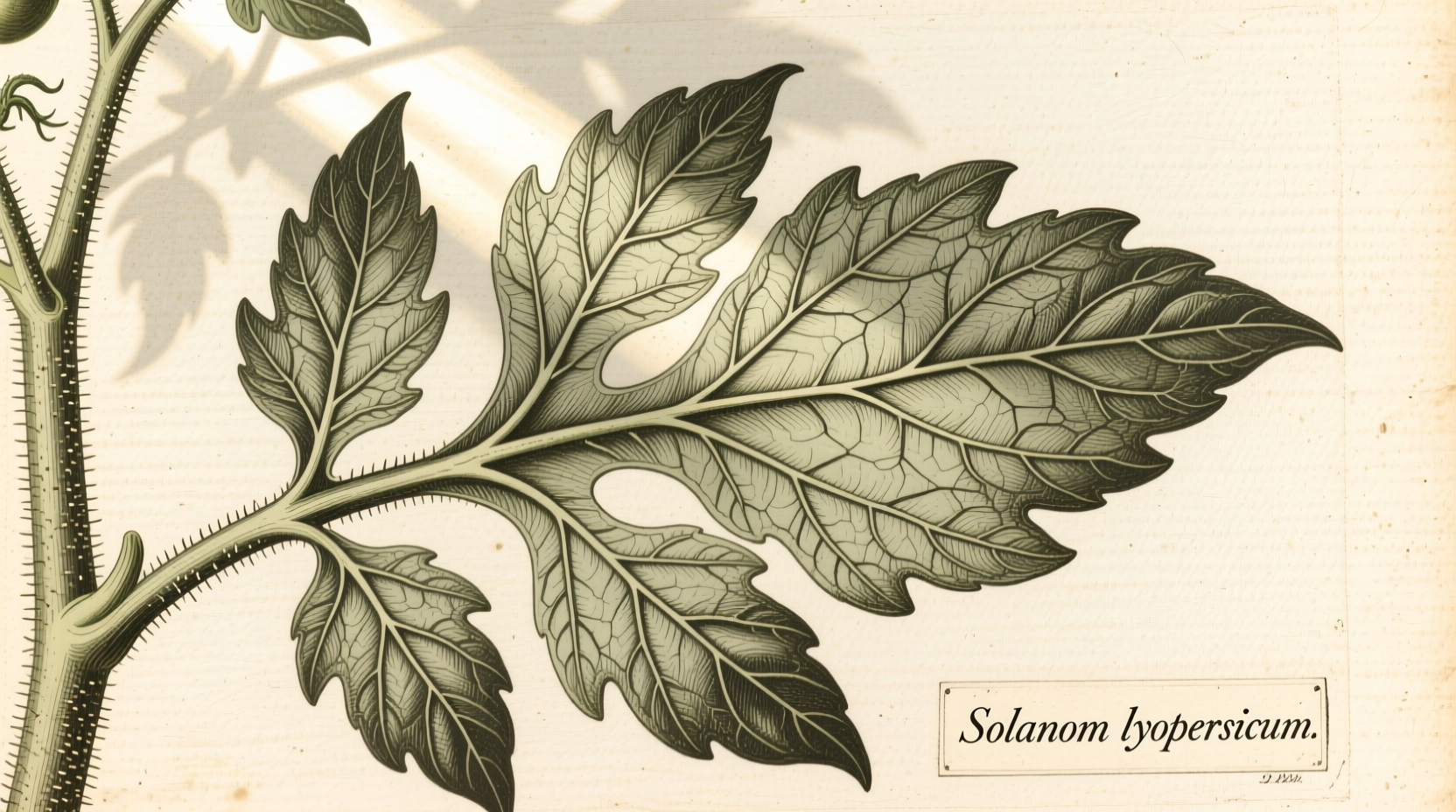
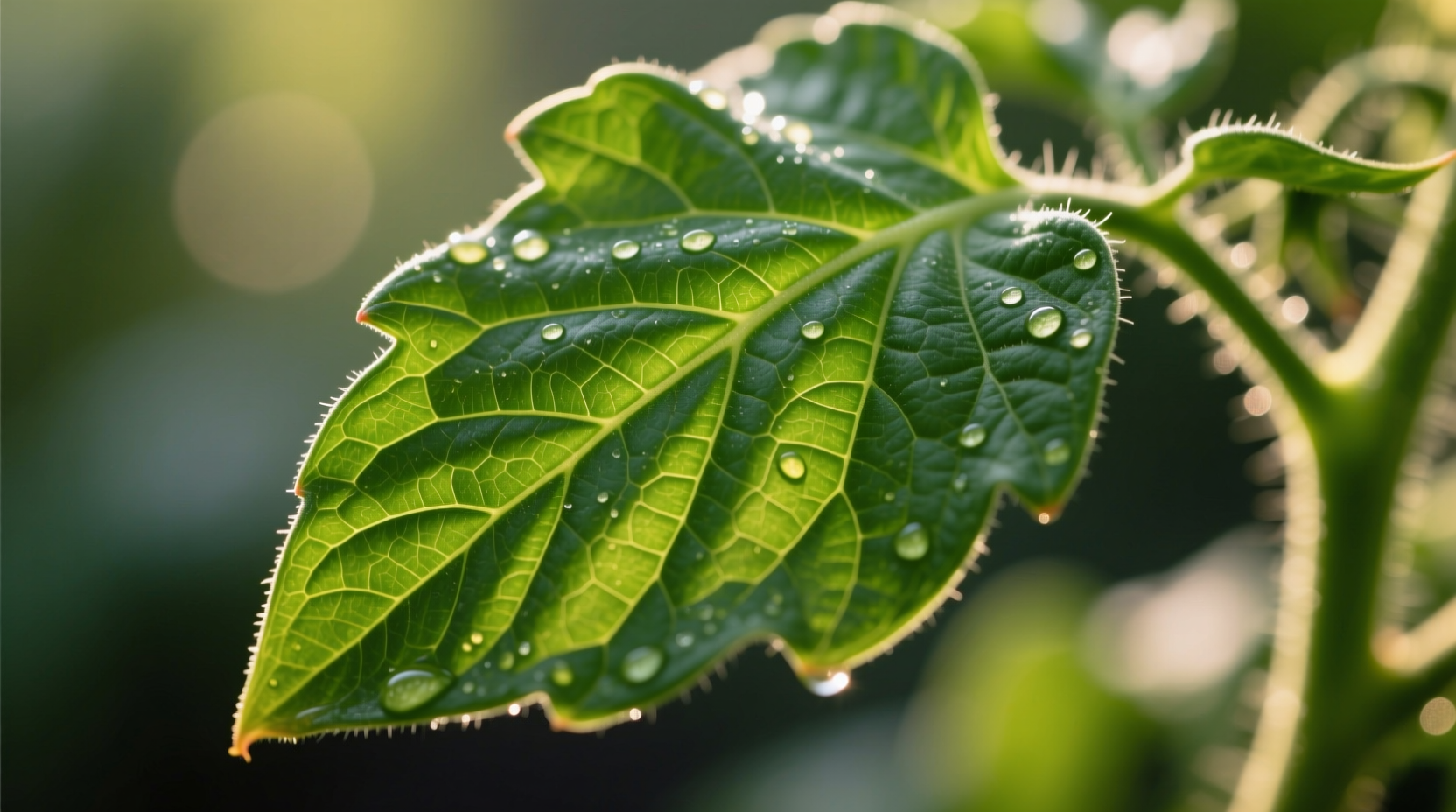
Before diagnosing problems, know what healthy tomato foliage should appear. Mature tomato leaves are typically medium to dark green, slightly fuzzy, and have a distinctive "tomato" scent when brushed. They should feel sturdy but flexible, with clear venation patterns. Younger leaves near the top may appear brighter green than older leaves lower on the plant.
Step 1: Identify the Visual Symptoms
When examining problematic tomato leaves, start by documenting exactly what you see. This systematic approach prevents misdiagnosis and wasted effort:
- Color changes: Yellowing, browning, purple hues, or unusual patterns
- Texture alterations: Curling, wilting, thickening, or unusual softness
- Surface abnormalities: Spots, lesions, powdery substances, or visible pests
- Pattern distribution: Are symptoms on new growth, older leaves, or throughout the plant?
| Symptom Type | Most Likely Causes | Urgency Level |
|---|---|---|
| Yellowing between veins | Magnesium deficiency, overwatering | Moderate |
| Small black spots with yellow halos | Early blight fungal infection | High |
| Upward leaf curling | Water stress, aphid infestation | Low-Moderate |
| White powdery coating | Powdery mildew | Moderate |
| Brown leaf edges | Calcium deficiency, sunscald | Low |
Step 2: Determine the Underlying Cause
Tomato leaf problems typically fall into four categories. Understanding which category your issue belongs to directs you toward effective solutions:
Environmental Stress Factors
Temperature extremes, improper watering, or inadequate sunlight often manifest first in leaf symptoms. The University of California Agriculture and Natural Resources notes that tomato plants show visible stress within 24-48 hours of environmental changes (UC ANR, 2023).
- Water stress timeline: Underwatering causes wilting within hours; overwatering leads to yellowing over 3-5 days
- Temperature effects: Heat above 90°F (32°C) causes leaf curling as a protective mechanism
- Sunscald progression: Direct intense sun exposure creates bleached areas that turn papery and brown
Nutrient Deficiencies
Nutrient issues follow specific patterns based on whether the nutrient is mobile within the plant:
- Mobile nutrients (nitrogen, potassium, magnesium): Symptoms appear first on older leaves
- Immobile nutrients (calcium, iron, boron): Symptoms show first on new growth
For example, magnesium deficiency causes interveinal chlorosis (yellowing between veins) on older leaves while the veins remain green. This differs from iron deficiency, which shows the same pattern but on newer leaves.
Fungal and Bacterial Diseases
Diseases often follow seasonal patterns and moisture requirements:
- Early blight: Appears as target-like spots with concentric rings, typically after rain
- Septoria leaf spot: Small circular spots with dark edges and light centers
- Fusarium wilt: Yellowing starts on one side of the plant and progresses upward
The Cornell University Plant Disease Diagnostic Clinic reports that fungal diseases account for approximately 65% of tomato leaf issues in home gardens (Cornell PDDC, 2024).
Pest Damage
Different pests leave distinctive signatures:
- Aphids: Cluster on undersides of leaves, causing curling and sticky residue
- Spider mites: Fine webbing with stippled yellow appearance on leaves
- Hornworms: Large, visible caterpillars with distinctive horn, leaving clean bite marks
Step 3: Apply Targeted Solutions
Effective treatment depends on accurate diagnosis. Here's how to address common issues:
For Environmental Stress
- Establish consistent watering: 1-1.5 inches per week, preferably in morning
- Use mulch to maintain soil moisture and temperature
- Provide afternoon shade during extreme heat waves
For Nutrient Deficiencies
- Magnesium deficiency: Apply Epsom salt solution (1 tablespoon per gallon)
- Nitrogen deficiency: Side-dress with composted manure or balanced organic fertilizer
- Calcium issues: Maintain consistent moisture to improve calcium uptake
For Diseases
- Remove and destroy affected leaves (do not compost)
- Apply copper-based fungicide for bacterial issues
- Use neem oil or potassium bicarbonate for fungal problems
- Water at soil level to prevent splash transmission
For Pests
- Aphids: Spray with strong water stream or insecticidal soap
- Spider mites: Increase humidity and apply miticide if severe
- Preventative measure: Encourage beneficial insects like ladybugs and lacewings
When to Remove Tomato Leaves
Strategic leaf removal improves air circulation and directs energy to fruit production. Follow these guidelines:
- Remove yellow or diseased leaves immediately
- Prune lower leaves that touch soil to prevent disease splash
- Remove leaves shading developing fruit clusters
- Never remove more than 1/3 of foliage at once to avoid sunscald
Research from the USDA Agricultural Research Service shows that proper leaf management can increase tomato yields by 15-20% while reducing disease incidence (USDA ARS, 2022).
Preventative Strategies for Healthy Tomato Leaves
Prevention beats treatment when it comes to tomato leaf health:
- Choose disease-resistant varieties (look for codes like VFN on seed packets)
- Rotate crops annually to prevent soil-borne disease buildup
- Space plants adequately (24-36 inches apart) for air circulation
- Water early in the day to allow foliage to dry before evening
- Apply preventative fungicide sprays during humid periods
Special Considerations for Container Tomatoes
Tomatoes grown in containers face unique challenges:
- Nutrient deficiencies appear faster due to limited soil volume
- Water stress occurs more rapidly in containers
- Container-grown plants may need more frequent feeding (every 2 weeks)
- Use larger containers (minimum 5 gallons) to buffer temperature and moisture changes
Container gardening requires more vigilant monitoring as issues can escalate quickly. Check container plants daily during hot weather.
When to Accept Leaf Issues
Not all leaf variations indicate problems. Some are normal or harmless:
- Natural yellowing of oldest leaves as plant matures
- Slight leaf curling during extreme heat (reverses when temperatures drop)
- Variegated leaf patterns in certain heirloom varieties
- Minor leaf spotting on older leaves late in season
Focus treatment efforts on issues affecting new growth or overall plant vigor rather than cosmetic concerns on older leaves.
Tracking Your Tomato Plant's Progress
Maintain a simple garden journal to track:
- Date symptoms first appeared
- Weather conditions preceding issues
- Treatments applied and their effectiveness
- Which varieties performed best in your conditions
This information helps refine your approach each growing season and identify patterns specific to your garden environment.
Conclusion: Healthy Leaves, Better Harvests
By understanding what your tomato plant leaves are telling you, you can address issues before they impact your harvest. Remember that some leaf problems are inevitable in home gardening—focus on managing rather than eliminating all issues. Consistent observation, proper identification, and timely intervention will keep your tomato plants productive throughout the growing season.




 浙公网安备
33010002000092号
浙公网安备
33010002000092号 浙B2-20120091-4