

Discover why this vibrant fruit (yes, botanically a fruit!) has earned its place as a nutritional powerhouse in diets worldwide. Whether you're slicing heirlooms for summer salads or simmering San Marzanos into sauce, understanding tomato nutrition benefits transforms how you incorporate this versatile ingredient into your daily meals.
What Makes Tomatoes a Nutritional Standout
Tomatoes pack a remarkable nutritional profile considering their low calorie count. A medium tomato (123g) delivers essential vitamins and minerals while contributing powerful plant compounds that science continues to validate for health promotion. The real star? Lycopene - the antioxidant responsible for tomatoes' red hue that offers protection your body can't produce on its own.
| Nutrient | Per 100g Raw Tomato | Daily Value % | Key Functions |
|---|---|---|---|
| Calories | 18 kcal | 1% | Energy provision |
| Vitamin C | 14 mg | 20% | Immune support, collagen synthesis |
| Lycopene | 2573 mcg | N/A | Antioxidant protection |
| Potassium | 237 mg | 5% | Blood pressure regulation |
| Vitamin K | 7.9 mcg | 10% | Blood clotting, bone health |
Data source: USDA FoodData Central
The Lycopene Advantage: Why Tomatoes Outperform Other Sources
Lycopene stands as tomatoes' most significant nutritional contribution, with research showing it's more bioavailable from tomatoes than any other food source. Unlike many nutrients that degrade during cooking, lycopene becomes more accessible when tomatoes are processed or cooked. A landmark study published in the American Journal of Clinical Nutrition demonstrated that consuming tomato paste with olive oil increased lycopene absorption by 2.5 times compared to raw tomatoes.
Science-Backed Health Benefits You Can Trust
Heart Health Protection
Regular tomato consumption correlates with improved cardiovascular markers according to research from Harvard T.H. Chan School of Public Health. The combination of potassium, vitamin C, and lycopene works synergistically to reduce oxidative stress and inflammation - key factors in heart disease development. A meta-analysis of 13 studies found that higher lycopene intake associated with 17% lower risk of cardiovascular events.
Cancer Risk Reduction
The National Cancer Institute recognizes tomatoes as one of the most promising dietary sources for cancer prevention, particularly for prostate cancer. Lycopene's antioxidant properties help protect cellular DNA from damage. Population studies in Mediterranean regions with high tomato consumption show notably lower rates of certain cancers compared to regions with lower intake.
Skin Health and UV Protection
Research published in the Journal of Nutrition revealed that regular tomato consumption (specifically tomato paste providing 16mg lycopene daily) reduced skin reddening from UV exposure by 40% after 10-12 weeks. The carotenoids in tomatoes act as internal sunscreen, complementing topical protection.
Maximizing Tomato Nutrition: Practical Strategies
Cooking Methods That Boost Benefits
Contrary to many vegetables, tomatoes deliver greater nutritional value when cooked. The breakdown of cell walls during heating releases more lycopene, while the addition of healthy fats (like olive oil) creates the fat-soluble environment lycopene needs for optimal absorption. For maximum benefit:
- Simmer tomatoes for at least 15 minutes to increase lycopene availability
- Pair with 3-5g of healthy fats (about 1 teaspoon of olive oil)
- Choose processed tomato products like paste or sauce for concentrated benefits
Seasonal and Variety Considerations
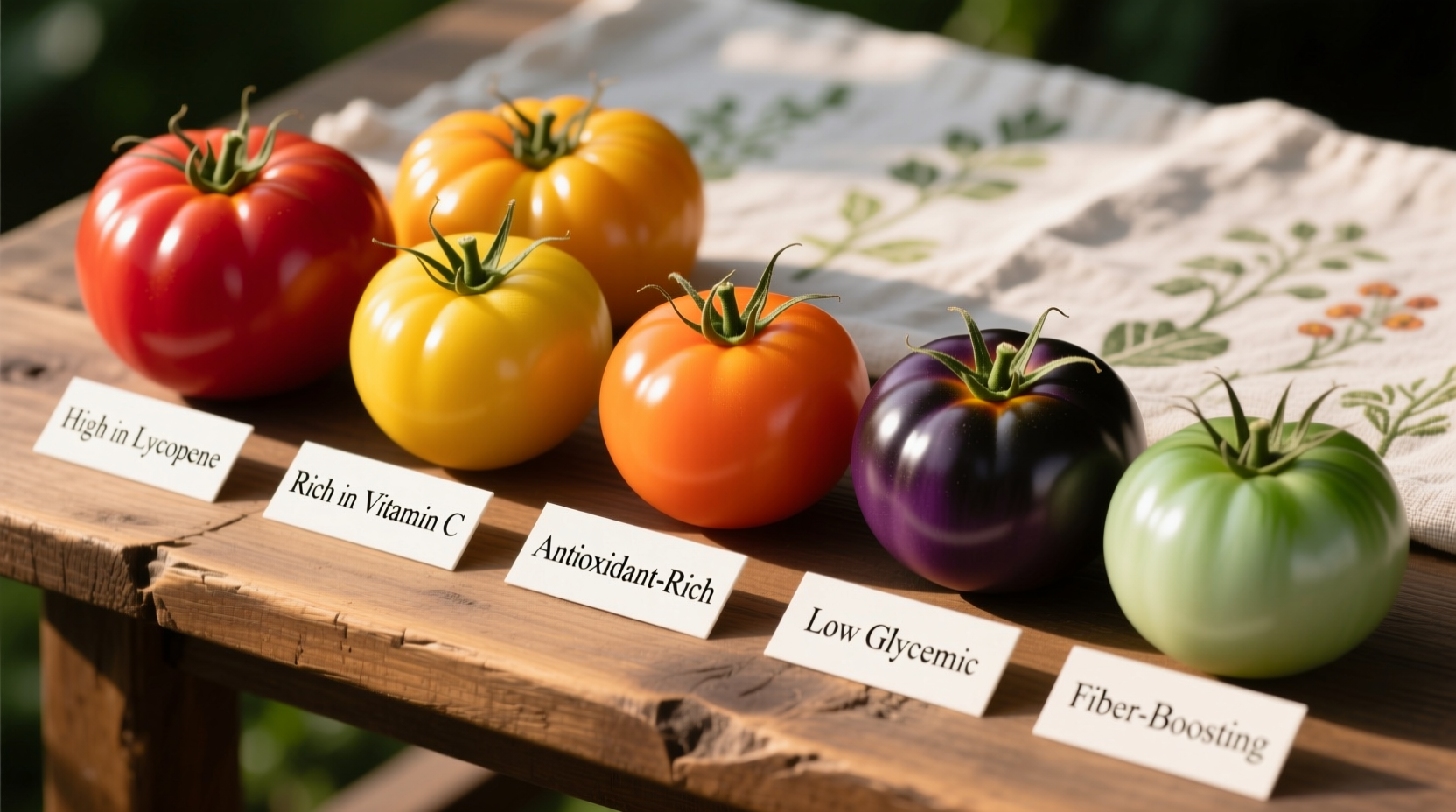
Tomato nutritional content varies significantly by variety and ripeness. Heirloom varieties often contain higher antioxidant levels than commercial hybrids, while vine-ripened tomatoes surpass those picked green and ripened off-vine. During peak summer months, tomatoes contain up to 50% more lycopene than winter greenhouse varieties.
Integrating Tomatoes Into Your Daily Nutrition Plan
You don't need dramatic dietary changes to reap tomato nutrition benefits. Simple, sustainable additions make the difference:
- Start your day with tomato slices on whole-grain toast (enhanced with olive oil)
- Add cherry tomatoes to lunchtime salads (dressed with vinaigrette)
- Include tomato-based soups or sauces with dinner
- Aim for 2-3 servings (about 200-300g) daily for measurable health impact
For those with acid sensitivity, consider cooked tomato products which are often better tolerated than raw. People on blood thinners should maintain consistent tomato intake due to vitamin K content, but don't need to eliminate this nutritious food.
Frequently Asked Questions
How much lycopene do I need daily for health benefits?
Research suggests 8-21mg of lycopene daily provides significant health benefits. One cup of tomato sauce contains approximately 25mg, while a medium raw tomato provides about 3mg. Cooking tomatoes with healthy fats increases absorption efficiency substantially.
Are canned tomatoes as nutritious as fresh?
Canned tomatoes often contain higher available lycopene than fresh due to the heating process during canning. Just choose BPA-free cans or glass containers, and check for no added salt or sugar. The nutritional value remains stable for up to 18 months when properly stored.
Can I get enough lycopene from raw tomatoes?
Raw tomatoes provide lycopene, but your body absorbs only 10-30% compared to cooked tomatoes. To maximize raw tomato benefits, pair them with healthy fats like avocado or olive oil. For therapeutic benefits, cooked tomato products remain superior due to significantly higher lycopene bioavailability.
Do different colored tomatoes offer different benefits?
Yes, tomato color indicates different phytonutrient profiles. Red tomatoes are highest in lycopene, yellow/orange varieties contain more beta-carotene, and purple/black tomatoes offer anthocyanins. For maximum nutritional diversity, incorporate multiple tomato colors into your diet throughout the season.




 浙公网安备
33010002000092号
浙公网安备
33010002000092号 浙B2-20120091-4