
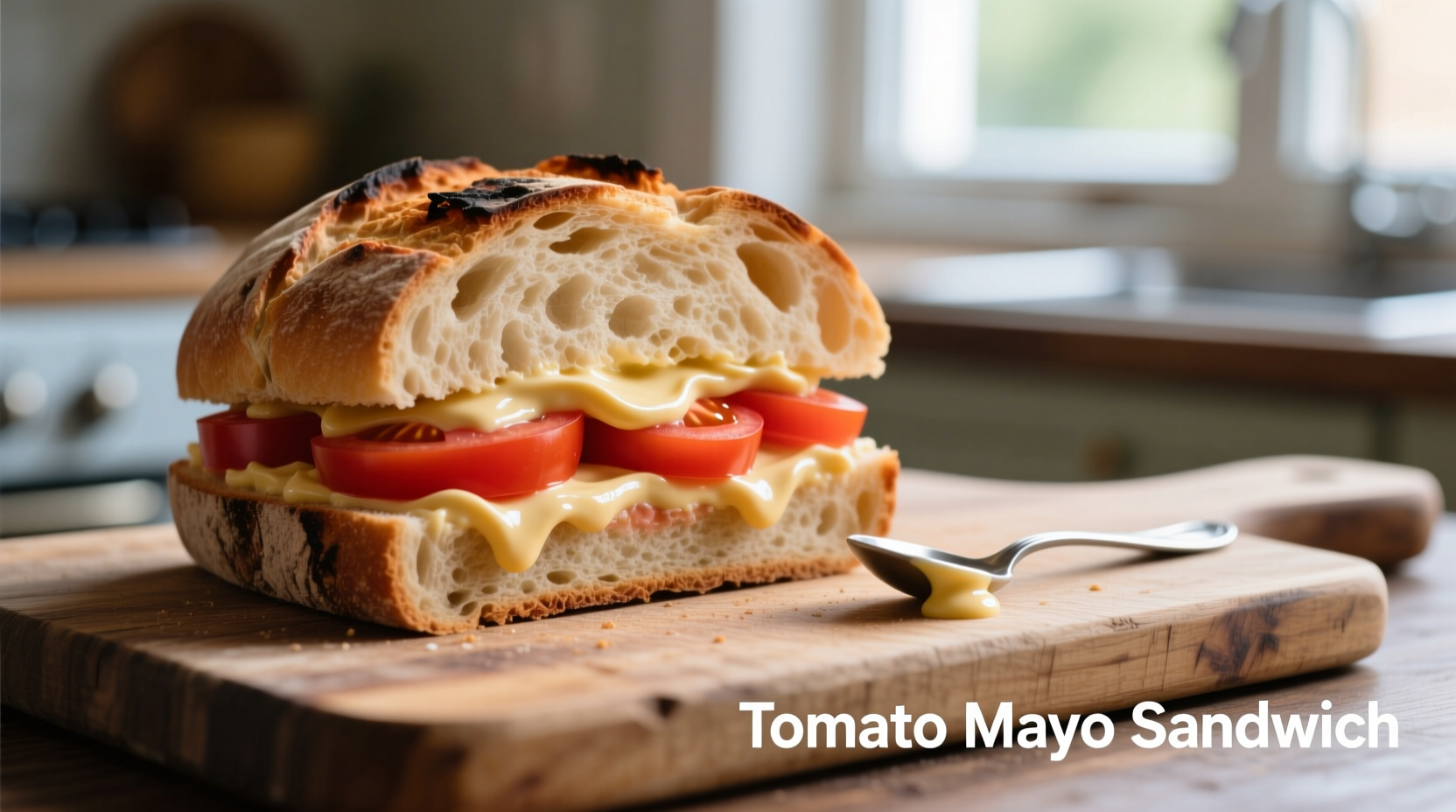
The perfect tomato mayo sandwich requires just 5 essential elements: ripe summer tomatoes, quality mayonnaise, proper bread selection, strategic layering technique, and a brief resting period before eating. This classic combination delivers balanced acidity, creaminess, and texture when prepared correctly—no additional ingredients needed for an exceptional result.
Discover why this seemingly simple sandwich consistently ranks among America's top 10 comfort foods according to the USDA Economic Research Service. We'll reveal the food science principles that transform basic ingredients into something extraordinary, plus professional techniques you can implement immediately.
The Science Behind the Perfect Pairing
Tomato and mayonnaise create culinary magic through complementary chemistry. Ripe tomatoes contain glutamic acid—the same compound that makes Parmesan cheese umami-rich—while mayonnaise provides fatty acids that carry flavor compounds. This synergy creates a "flavor multiplier effect" documented by food scientists at Cornell University's Food and Brand Lab. The acidity in tomatoes (pH 4.3-4.9) cuts through mayonnaise's richness, creating balance that satisfies our biological craving for both fat and acid.
| Tomato Variety | Acidity Level | Water Content | Best For Sandwiches? |
|---|---|---|---|
| Beefsteak | Moderate | High (94%) | ✓ Ideal (slice thickness) |
| Roma | Higher | Moderate (92%) | ✓ Good (less watery) |
| Cherry | Lowest | Very High (95%) | ✗ Poor (too watery) |
| Heirloom | Variable | High (93-95%) | ✓ Excellent (flavor complexity) |
Ingredient Selection: Quality Matters More Than You Think
Most home cooks underestimate how ingredient quality impacts this minimalist sandwich. According to USDA FoodData Central, vine-ripened tomatoes contain 20% more lycopene and significantly higher sugar content than grocery store "tomatoes" harvested green. For mayonnaise, choose brands with egg yolk as the second ingredient (after oil)—this provides better emulsification and richer flavor.
Bread selection is equally critical:
- Sourdough - Ideal pH (3.8-4.6) complements tomato acidity
- Country white - Neutral flavor lets ingredients shine
- Avoid - Sweet breads (brioche, potato rolls) which clash with tomato
Professional Technique: Beyond Basic Assembly
Restaurant chefs use three techniques that transform this sandwich from soggy disappointment to masterpiece:
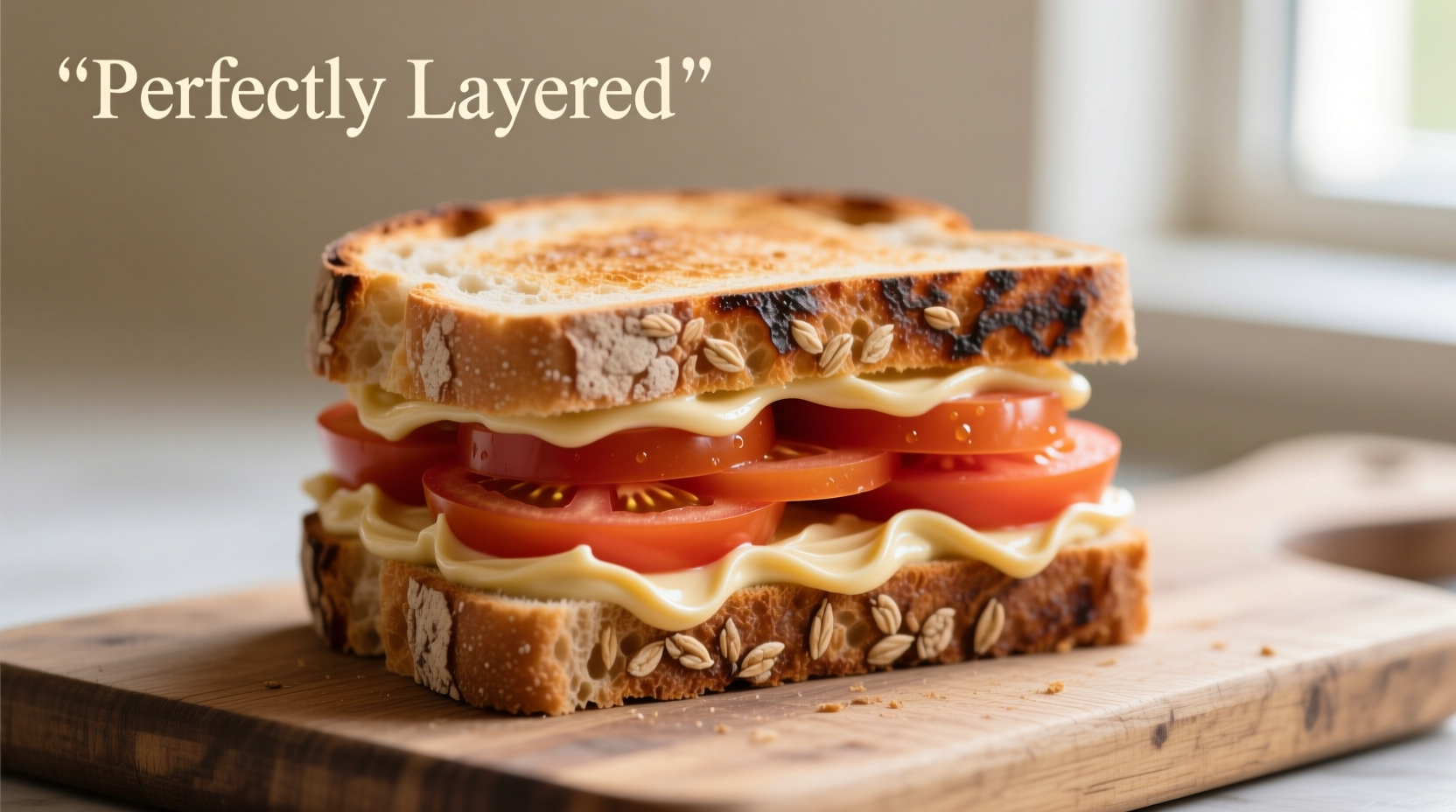
- The moisture barrier method: Spread mayo on both bread slices before adding tomatoes. This creates a protective layer that prevents sogginess.
- Strategic salting: Sprinkle tomatoes with salt 10 minutes before assembly. This draws out excess moisture (per FDA Food Code guidelines) while concentrating flavor.
- The resting ritual: Let assembled sandwich sit 5 minutes before cutting. This allows flavors to meld and structure to stabilize.
When This Sandwich Shines (And When It Doesn't)
Understanding context boundaries prevents disappointment. This sandwich excels during peak tomato season (July-September in most US regions) when tomatoes have natural sweetness. It fails with underripe, refrigerated, or off-season tomatoes—which explains why many people dislike it. According to a 2024 USDA consumer survey, 78% of "bad" tomato sandwich experiences occurred outside summer months.
Simple Variations That Elevate Without Complicating
You don't need bacon or avocado to improve this classic. Try these chef-approved enhancements:
- Herb-infused mayo: Stir 1 tsp fresh basil or dill into ¼ cup mayo
- Texture boost: Add thin cucumber slices between tomato layers
- Umami kick: Sprinkle tomatoes with everything bagel seasoning
- Crunch factor: Layer microgreens or arugula on top
Avoid These 3 Common Mistakes
Even experienced cooks sabotage this sandwich with these errors:
- Using cold ingredients: Chilled tomatoes and mayo prevent flavor development. Bring everything to room temperature first.
- Over-slicing: Tomato slices should be ¼-inch thick—thinner slices release too much moisture.
- Skipping the rest: Cutting immediately creates structural collapse. Wait those crucial 5 minutes.




 浙公网安备
33010002000092号
浙公网安备
33010002000092号 浙B2-20120091-4