
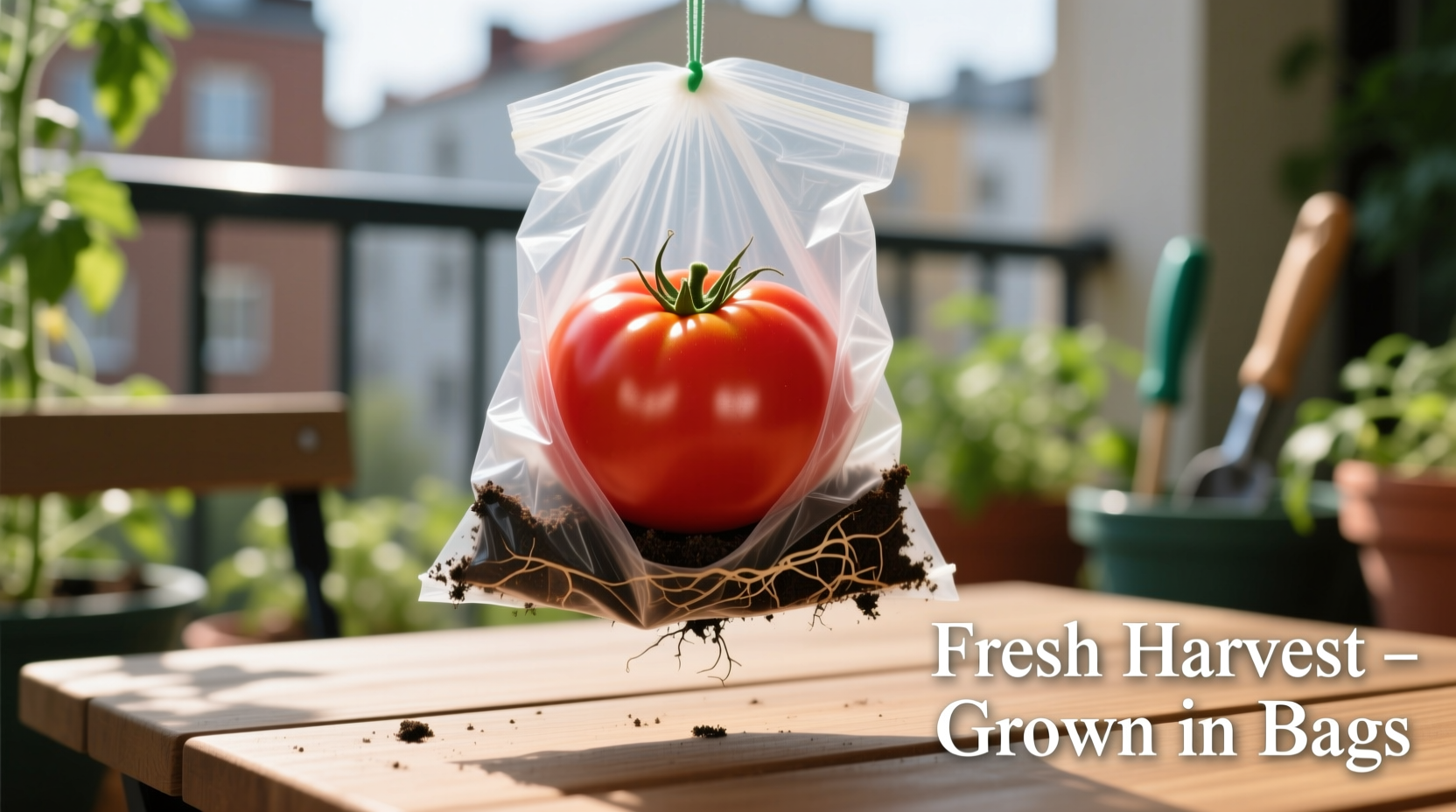
Discover why grow bags have revolutionized home tomato cultivation. Unlike rigid pots that restrict root growth and cause circling, fabric grow bags promote air pruning—a natural process where roots self-trim when exposed to air, creating denser, more efficient root systems. This results in 20-30% larger harvests according to University of Maryland Extension research. Whether you're gardening on a balcony, patio, or small yard, grow bags solve space limitations while preventing common container gardening pitfalls.
Why Grow Bags Outperform Traditional Containers for Tomatoes
Grow bags provide three critical advantages for tomato plants that rigid containers can't match. First, their breathable fabric regulates soil temperature—critical for tomatoes that suffer when root zones exceed 85°F (29°C). Second, the air-pruning effect eliminates root circling, directing energy toward fruit production instead of tangled roots. Third, superior drainage prevents waterlogged soil that causes blossom end rot, a calcium deficiency affecting 40% of container-grown tomatoes according to Cornell University studies.
| Feature | Grow Bags | Plastic Pots | Ceramic Containers |
|---|---|---|---|
| Root Development | Air-pruned, fibrous roots | Circling roots | Circling roots |
| Soil Temperature | Regulated by fabric | Overheats in sun | Moderate regulation |
| Drainage Control | Natural wicking action | Dependent on drainage holes | Variable absorption |
| Mobility | Lightweight when empty | Heavy when filled | Very heavy |
Selecting the Perfect Grow Bag and Tomato Varieties
Not all grow bags perform equally. Choose 15-20 gallon capacity bags (minimum 15" depth) made from non-woven polypropylene fabric. Avoid cheap woven bags that degrade quickly. For tomatoes, determinate varieties like Patio Princess or Container Baby work best in 15-gallon bags, while indeterminate types like Cherokee Purple require 20-gallon capacity. The Royal Horticultural Society confirms compact varieties yield 8-10 pounds per plant in properly sized grow bags.
Step-by-Step Planting Process
Follow this planting sequence for optimal results:
- Prepare your bag: Fill with premium potting mix (never garden soil) to ⅓ capacity. Add 1 cup slow-release organic fertilizer.
- Plant deeply: Bury ⅔ of the stem—tomatoes develop roots along buried stems. Remove lower leaves before planting.
- Initial watering: Soak thoroughly until water drains from bottom. Wait 30 minutes, then water again to ensure even moisture.
- Support installation: Place tomato cage or stake immediately to avoid root damage later.
Watering and Feeding Schedule
Grow bags dry faster than rigid containers—check moisture daily by inserting finger 2" deep. Water when top inch feels dry, preferably in morning. During fruiting, tomatoes need 1.5 inches of water daily. Use this feeding timeline:
- Weeks 1-3: No additional fertilizer (potting mix contains starter nutrients)
- Weeks 4-6: Bi-weekly liquid seaweed solution
- Weeks 7+: Weekly tomato-specific fertilizer (higher potassium)
Monitor for yellowing leaves between veins—a sign of magnesium deficiency common in container tomatoes. Resolve with Epsom salt solution (1 tbsp per gallon) applied to foliage.
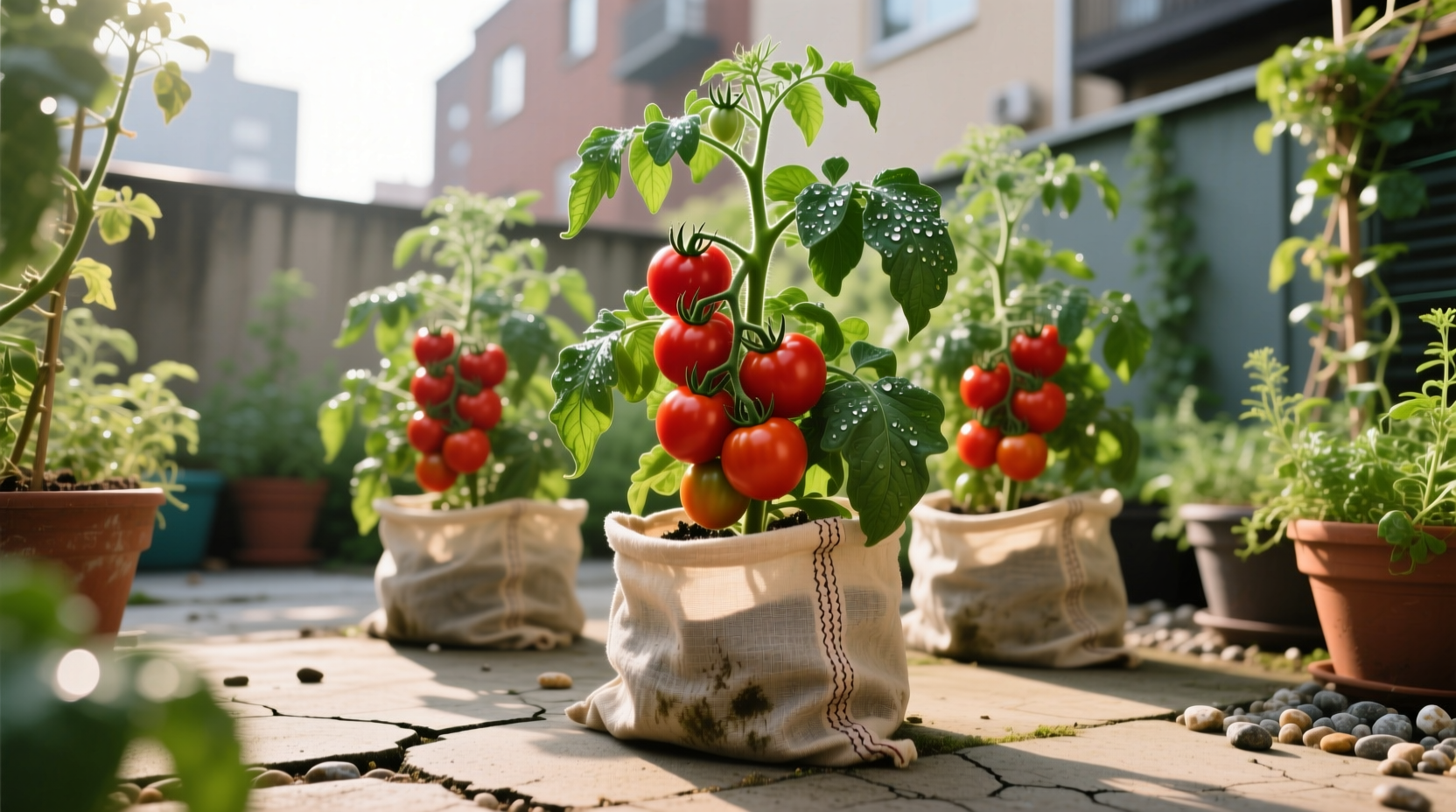
Troubleshooting Common Grow Bag Issues
Problem: Rapid soil drying in hot weather
Solution: Double-bag smaller containers or wrap outer bag with burlap. Water deeply twice daily during heatwaves.
Problem: Blossom drop despite proper watering
Solution: Temperatures above 90°F (32°C) cause pollen sterility. Provide afternoon shade with 30% shade cloth.
Problem: Stunted growth after initial planting
Solution: Check root development—if circling occurs, gently tease roots outward during transplanting. This indicates bag was too small for variety.
Harvesting and End-of-Season Care
Pick tomatoes when they reach full color but remain firm. Unlike garden-grown fruit, container tomatoes often ripen 7-10 days earlier due to warmer root zones. At season's end, remove plants and solarize the soil by blackening the bag and leaving in full sun for 4 weeks—this eliminates pathogens while preserving beneficial microbes according to USDA Agricultural Research Service guidelines.
Frequently Asked Questions
How many tomato plants can I grow in a single grow bag?
One tomato plant per 15-20 gallon grow bag ensures adequate space. Overcrowding causes nutrient competition and disease spread. Dwarf varieties may allow two plants in 20-gallon bags, but standard varieties require full bag allocation for optimal yields.
Do grow bags need drainage holes?
Quality grow bags don't require additional drainage holes—the breathable fabric provides natural moisture regulation. Adding holes creates excessive drying. The fabric's wicking action maintains ideal moisture balance when using proper potting mix.
Can I reuse grow bags for multiple seasons?
Yes, with proper care. After harvest, remove all plant material and soil. Wash with 10% bleach solution, rinse thoroughly, and dry completely before storage. Most quality grow bags last 3-5 seasons. Replace when fabric shows significant wear or develops persistent odors.
Why are my tomato leaves turning yellow in grow bags?
Yellowing typically indicates nitrogen deficiency or inconsistent watering. Container tomatoes need more frequent feeding than garden plants. Apply balanced liquid fertilizer every 7-10 days during fruiting. If veins remain green while tissue yellows, it's magnesium deficiency—treat with Epsom salt solution.




 浙公网安备
33010002000092号
浙公网安备
33010002000092号 浙B2-20120091-4