
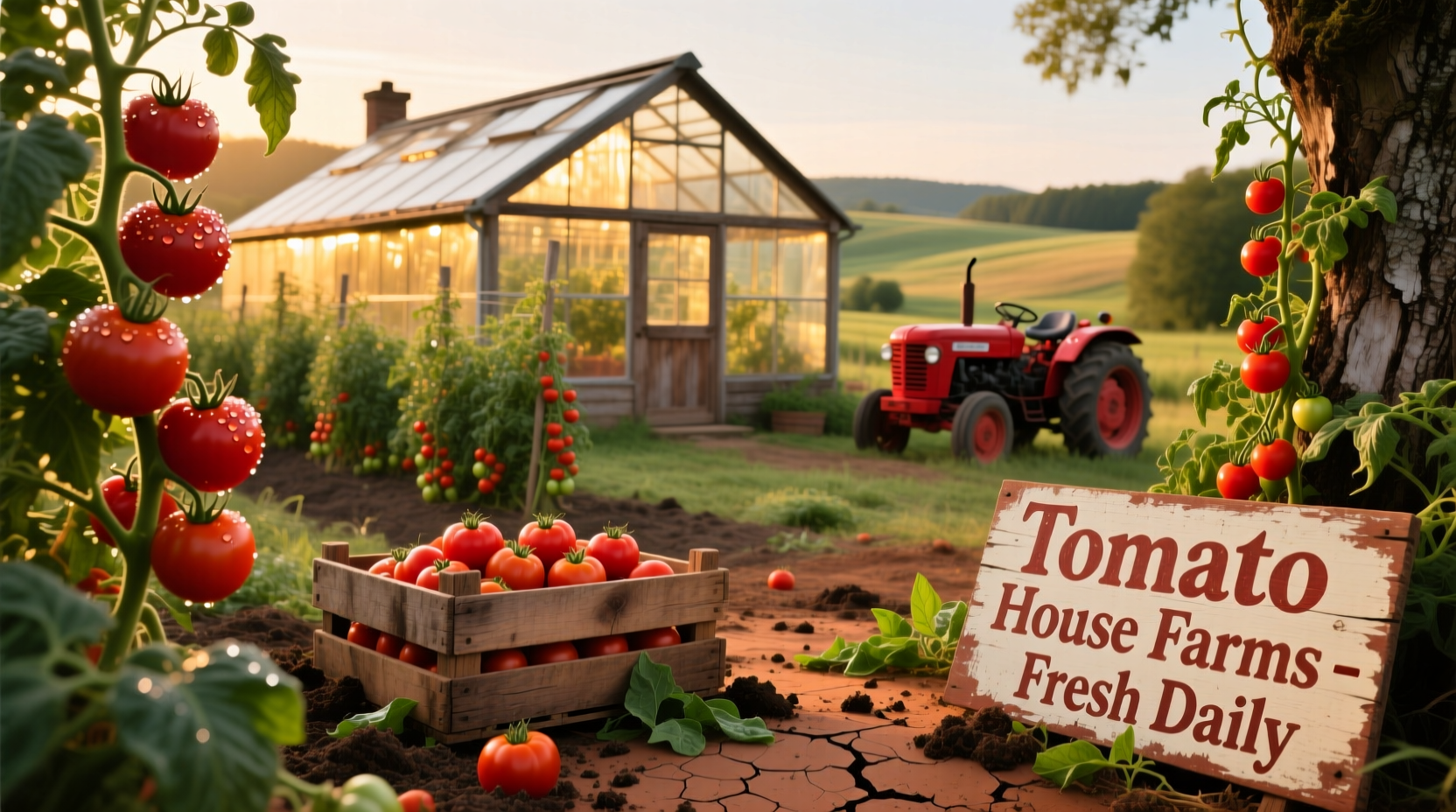
Tomato house farming—growing tomatoes in controlled greenhouse environments—has revolutionized commercial production. Unlike traditional field cultivation, these protected systems maintain ideal temperature, humidity, and light conditions regardless of season. The result? Consistent high-quality harvests with reduced pest pressure and water usage. Whether you're establishing a new operation or optimizing an existing one, understanding the science behind successful tomato house farming is essential.
What Defines Modern Tomato House Farming
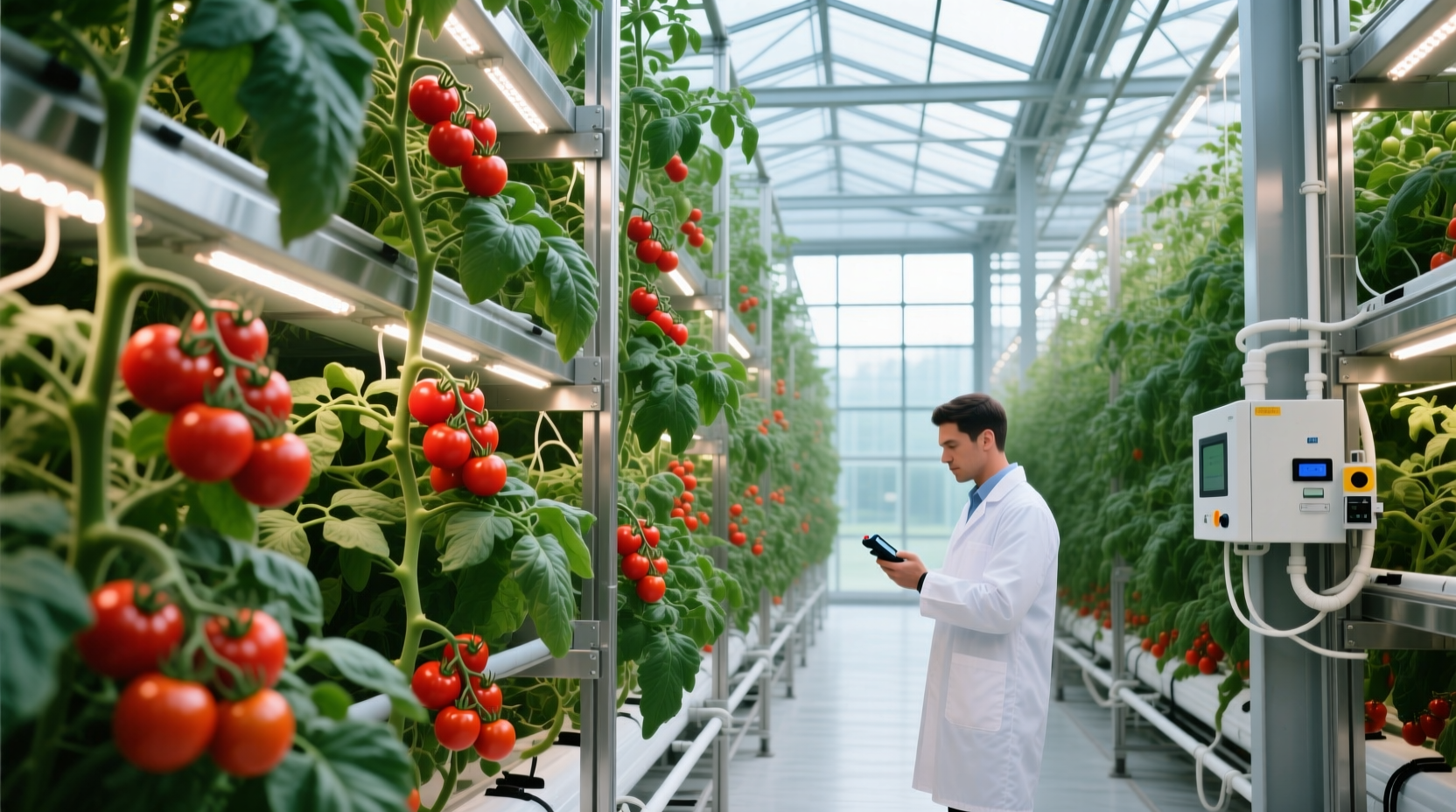
Tomato house farms utilize climate-controlled structures to create optimal growing conditions year-round. These aren't just simple greenhouses—they're sophisticated agricultural facilities featuring automated ventilation, supplemental lighting, and precise irrigation systems. The controlled environment allows growers to extend the typical 4-6 month field season to 10-12 months of continuous production.
According to USDA Agricultural Research Service data, properly managed tomato house operations achieve average yields of 40-60 pounds per plant annually, compared to 10-15 pounds in field production. This dramatic increase comes from eliminating weather-related stressors while maintaining ideal growing parameters.
Greenhouse vs. Field Tomato Production: Key Differences
| Factor | Greenhouse Production | Field Production |
|---|---|---|
| Average Yield | 40-60 lbs/plant/year | 10-15 lbs/plant/year |
| Production Season | 10-12 months | 4-6 months |
| Water Usage | 30-40% less | Standard |
| Pest Pressure | Controlled environment | High exposure |
| Initial Investment | Higher | Lower |
This comparison from Cornell University's Cooperative Extension program shows why commercial growers increasingly adopt greenhouse methods despite higher startup costs. The return on investment typically materializes within 2-3 growing seasons through increased yields and premium pricing for consistent quality.
Top Tomato Varieties for House Farming
Not all tomatoes thrive in greenhouse conditions. Selecting varieties bred specifically for controlled environments is crucial. Here are the most reliable performers:
- Beefsteak types: 'Trust' and '1824' offer excellent disease resistance and consistent fruit size
- Vine tomatoes: 'Piccolo' and 'Sweet Million' produce continuous clusters ideal for retail packaging
- Cherry varieties: 'Sungold' and 'Fiesta' provide high brix levels and extended shelf life
- Specialty types: 'Black Krim' and 'Green Zebra' command premium prices in niche markets
University of California research shows that modern greenhouse varieties demonstrate 20-30% higher productivity than field-adapted types under controlled conditions. These varieties have been specifically bred for disease resistance in humid environments and consistent fruit set without natural pollinators.
Year-Round Production Timeline
Successful tomato house farming follows a precise seasonal rhythm:
- January-February: Seedling propagation in dedicated nursery areas
- March-April: Transplanting to production areas with gradual environmental acclimation
- May-July: First harvest period with careful fruit cluster management
- August-September: Pruning and training for second growth phase
- October-December: Extended harvest with supplemental lighting as daylight decreases
This continuous production cycle, documented by the University of Florida's Institute of Food and Agricultural Sciences, maximizes facility utilization. Unlike field operations constrained by weather, greenhouse growers can stagger plantings to ensure consistent market supply throughout the year.
Environmental Control Essentials
Precise environmental management separates successful tomato house operations from struggling ones. Key parameters include:
- Temperature: Maintain 70-75°F (21-24°C) during day, 60-65°F (15-18°C) at night
- Humidity: Keep between 65-75% to prevent disease while allowing proper transpiration
- CO2 levels: Supplement to 800-1000 ppm during daylight hours for 20-30% yield increase
- Light: Provide 16-18 hours daily with supplemental lighting during winter months
These parameters, validated by Wageningen University research, create the ideal physiological conditions for tomato development. Automated climate control systems pay for themselves through reduced crop loss and increased quality.
Practical Challenges and Solutions
Every tomato house operation faces specific challenges. Here's how successful growers address them:
Pollination Without Insects
Without natural pollinators, greenhouse tomatoes require alternative methods:
- Bumblebee colonies (most effective solution)
- Manual vibration of flowering clusters
- Electrostatic pollination devices
Disease Management
Preventative measures outperform reactive treatments:
- Strict sanitation protocols between crops
- Biological controls like beneficial insects
- Proper air circulation to reduce humidity pockets
When Greenhouse Production Makes Sense
Tomato house farming isn't universally appropriate. Consider these boundary conditions:
- Most viable in regions with extreme seasonal temperature variations
- Economically feasible at scale (typically 1+ acre operations)
- Requires reliable access to skilled labor for precise management
- Less advantageous in mild climates with long growing seasons
According to USDA Economic Research Service data, greenhouse tomato operations become economically viable when targeting premium markets or operating in regions with less than 180 frost-free days annually. The higher initial investment requires careful market analysis before implementation.
Sustainable Practices for Long-Term Success
Forward-thinking tomato house farms incorporate these sustainability measures:
- Recirculating hydroponic systems reducing water usage by 40%
- Solar panels powering climate control systems
- Integrated pest management minimizing chemical inputs
- Heat recovery systems capturing excess warmth
- Compost tea applications enhancing root health
These practices not only reduce environmental impact but also improve long-term profitability. A 2024 study from the Rodale Institute showed that tomato house farms implementing comprehensive sustainability measures achieved 15% higher net returns after five years compared to conventional operations.
Getting Started with Tomato House Farming
For new growers, follow this practical implementation sequence:
- Conduct thorough market research to identify premium opportunities
- Start with a pilot operation (1/4 acre) before scaling
- Partner with extension services for technical support
- Invest in modular infrastructure allowing gradual expansion
- Focus on consistent quality rather than maximum yield initially
Successful commercial growers emphasize that patience and incremental improvement outperform attempts at immediate perfection. The learning curve is steep but manageable with proper planning and technical support.
Frequently Asked Questions
What's the typical investment for a commercial tomato house operation?
A one-acre commercial tomato house operation typically requires $150,000-$250,000 in initial investment, including structure, environmental controls, irrigation systems, and planting materials. University of Arizona Cooperative Extension data shows that well-managed operations typically achieve return on investment within 2-3 years through premium pricing and higher yields.
Which tomato varieties perform best in greenhouse environments?
Modern indeterminate varieties bred specifically for greenhouse production perform best. Top performers include 'Trust' (beefsteak), 'Piccolo' (vine), and 'Sungold' (cherry). These varieties demonstrate superior disease resistance in humid environments, consistent fruit set without natural pollinators, and excellent shelf life—critical factors for commercial success according to Cornell University research.
How does greenhouse tomato production conserve water compared to field cultivation?
Greenhouse tomato production typically uses 30-40% less water than field cultivation through recirculating hydroponic systems that capture and reuse runoff. The controlled environment also reduces evaporation and allows precise water delivery directly to root zones. USDA Agricultural Research Service studies confirm these water savings while maintaining higher yields.
What are the most common mistakes new greenhouse tomato growers make?
New greenhouse tomato growers commonly overestimate immediate yields, underestimate labor requirements, and neglect proper climate monitoring. University extension programs note that insufficient attention to humidity control and improper pruning techniques account for 60% of early production failures. Starting with a pilot operation and seeking mentorship from experienced growers significantly improves success rates.




 浙公网安备
33010002000092号
浙公网安备
33010002000092号 浙B2-20120091-4