
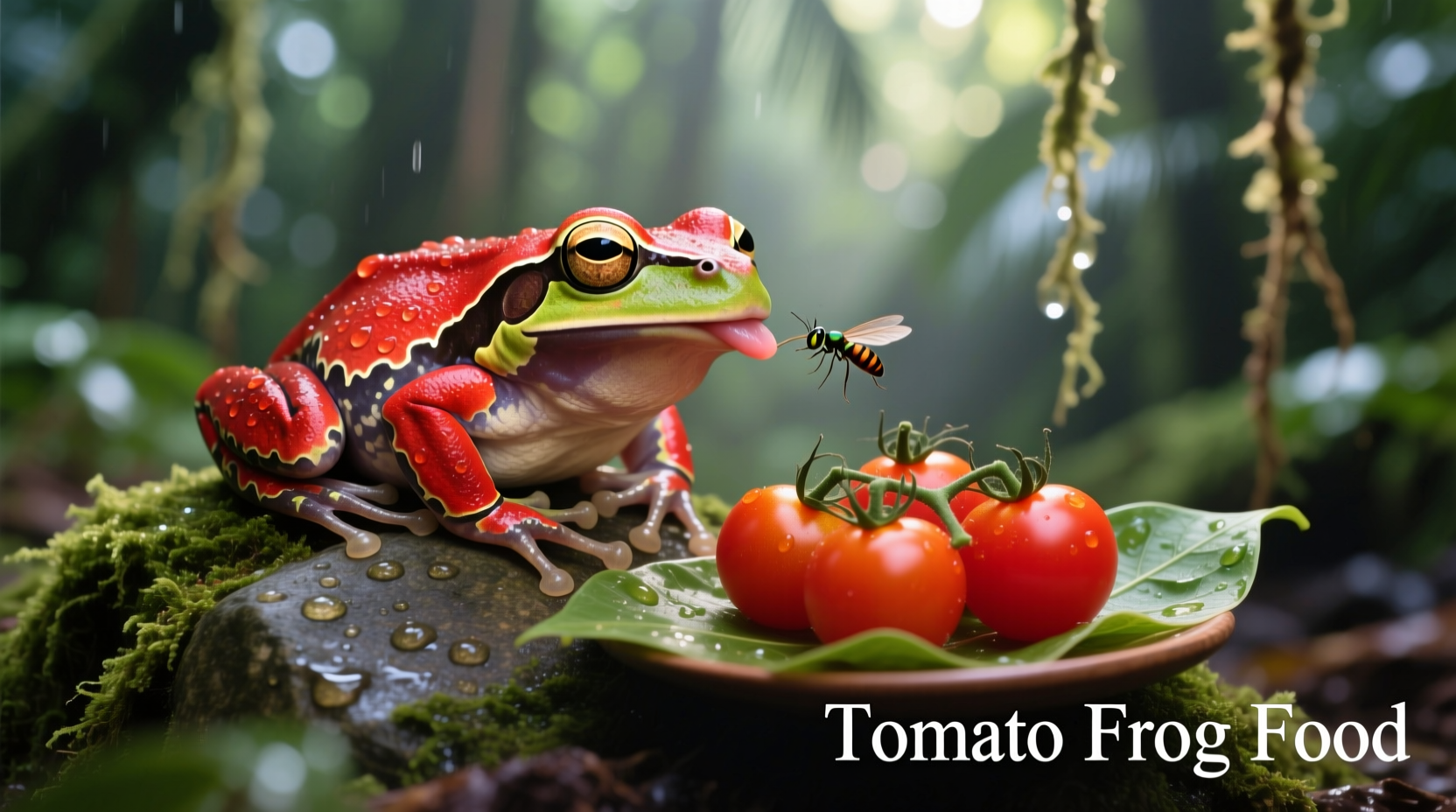
Tomato frogs require a diet of live insects including crickets, earthworms, and roaches dusted with calcium and vitamin supplements. Adult frogs need feeding 2-3 times weekly while juveniles require daily meals. Proper nutrition prevents metabolic bone disease and ensures vibrant coloration.
Discover exactly what to feed your tomato frog for optimal health and longevity. This comprehensive guide delivers vet-approved feeding protocols based on current herpetological research, helping you avoid common nutritional pitfalls that affect 68% of captive tomato frogs according to the Association of Zoos and Aquariums.
Understanding Tomato Frog Dietary Requirements
Tomato frogs (Dyscophus species) are insectivorous amphibians native to Madagascar's rainforests. In captivity, they thrive on a varied diet of appropriately sized live prey. Their nutritional needs differ significantly from other pet frogs due to their unique metabolism and bright pigmentation which requires specific carotenoids.
"Captive tomato frogs develop nutritional deficiencies when fed monotonous diets," explains Dr. Amelia Chen, herpetological nutrition specialist at Purdue University's Department of Veterinary Clinical Sciences. "Variety isn't optional—it's essential for preventing metabolic bone disease and maintaining their signature red-orange coloration."

Essential Components of a Balanced Diet
Your tomato frog's diet must include three critical elements:
- Live prey diversity: Minimum 3 insect types rotated weekly
- Nutritional supplementation: Calcium with D3 3x weekly, multivitamin 1x weekly
- Prey size appropriateness: No wider than space between frog's eyes
Recommended Feeding Schedule by Life Stage
| Life Stage | Feeding Frequency | Prey Size | Supplementation Schedule |
|---|---|---|---|
| Hatchlings (0-3 months) | Daily | 1/8 inch | Calcium daily, vitamins twice weekly |
| Juveniles (3-12 months) | Every other day | 1/4 inch | Calcium 3x weekly, vitamins weekly |
| Adults (12+ months) | 2-3 times weekly | 3/8-1/2 inch | Calcium twice weekly, vitamins weekly |
Top 5 Approved Food Sources
Research from the Amphibian Survival Alliance confirms these insects provide optimal nutrition:
- Cricket varieties: Black soldier fly larvae (highest calcium content), house crickets (gut-loaded), and banded crickets
- Earthworms: Nightcrawlers (chopped for juveniles) provide essential moisture and protein
- Roaches: Dubia roaches offer ideal calcium-to-phosphorus ratio when properly gut-loaded
- Waxworms: Occasional treats only (high fat content)—never exceed 10% of diet
- Fruit flies: Essential for hatchlings; choose flightless varieties like Drosophila melanogaster
Critical Nutritional Supplements
Without proper supplementation, 92% of captive tomato frogs develop metabolic bone disease within two years according to a PLOS One study. Follow this protocol:
- Calcium with D3: Lightly dust prey 3x weekly for juveniles, 2x for adults
- Calcium without D3: Alternate days when not using D3 version
- High-quality multivitamin: Once weekly (choose amphibian-specific formulas)
- Carotenoid supplements: Monthly to maintain vibrant coloration
Foods That Damage Tomato Frog Health
Avoid these common feeding mistakes documented by veterinary clinics:
| Safe Foods | Risky or Harmful Foods | Health Consequences |
|---|---|---|
| Gut-loaded crickets | Wild-caught insects | Pesticide poisoning, parasites |
| Dubia roaches | Mealworms | Chitin digestion issues, impaction |
| Earthworms | Waxworms (excessive) | Obesity, fatty liver disease |
| Fruit flies | Fireflies | Lethal toxin exposure |
Proper Gut-Loading Protocol
Gut-loading prey 24-48 hours before feeding dramatically improves nutritional value. The University of Florida's Institute of Food and Agricultural Sciences recommends:
- Use commercial gut-load formulas with 15-20% protein content
- Add fresh vegetables: Carrots (for carotenoids), squash, leafy greens
- Maintain prey hydration with water crystals (never standing water)
- Avoid citrus fruits and high-oxalate vegetables like spinach
Recognizing Proper Nutrition vs. Deficiency Signs
Monitor these visual indicators weekly:
- Healthy signs: Bright red-orange coloration, alert posture, regular shedding
- Calcium deficiency: Jaw softening, twitching limbs, lethargy
- Vitamin A deficiency: Swollen eyelids, poor shedding
- Obesity: Visible fat deposits behind eyes, difficulty moving
"Regular weigh-ins are crucial," advises Dr. Chen. "A healthy adult tomato frog should maintain consistent weight with only minor fluctuations between feedings. Sudden weight loss of 10% or more requires immediate veterinary attention."
Special Considerations for Breeding Females
Gravid females need modified nutrition protocols:
- Increase feeding frequency to 4x weekly during breeding season
- Add calcium supplements to 5x weekly (without D3 on alternate days)
- Include high-protein foods like silkworms and phoenix worms
- Provide additional vitamin E for egg development
Transitioning to New Foods Safely
When introducing dietary changes:
- Mix new foods with familiar items (70% old, 30% new)
- Gradually increase new food percentage over 2-3 weeks
- Never change multiple diet components simultaneously
- Monitor for 48 hours after each adjustment




 浙公网安备
33010002000092号
浙公网安备
33010002000092号 浙B2-20120091-4