
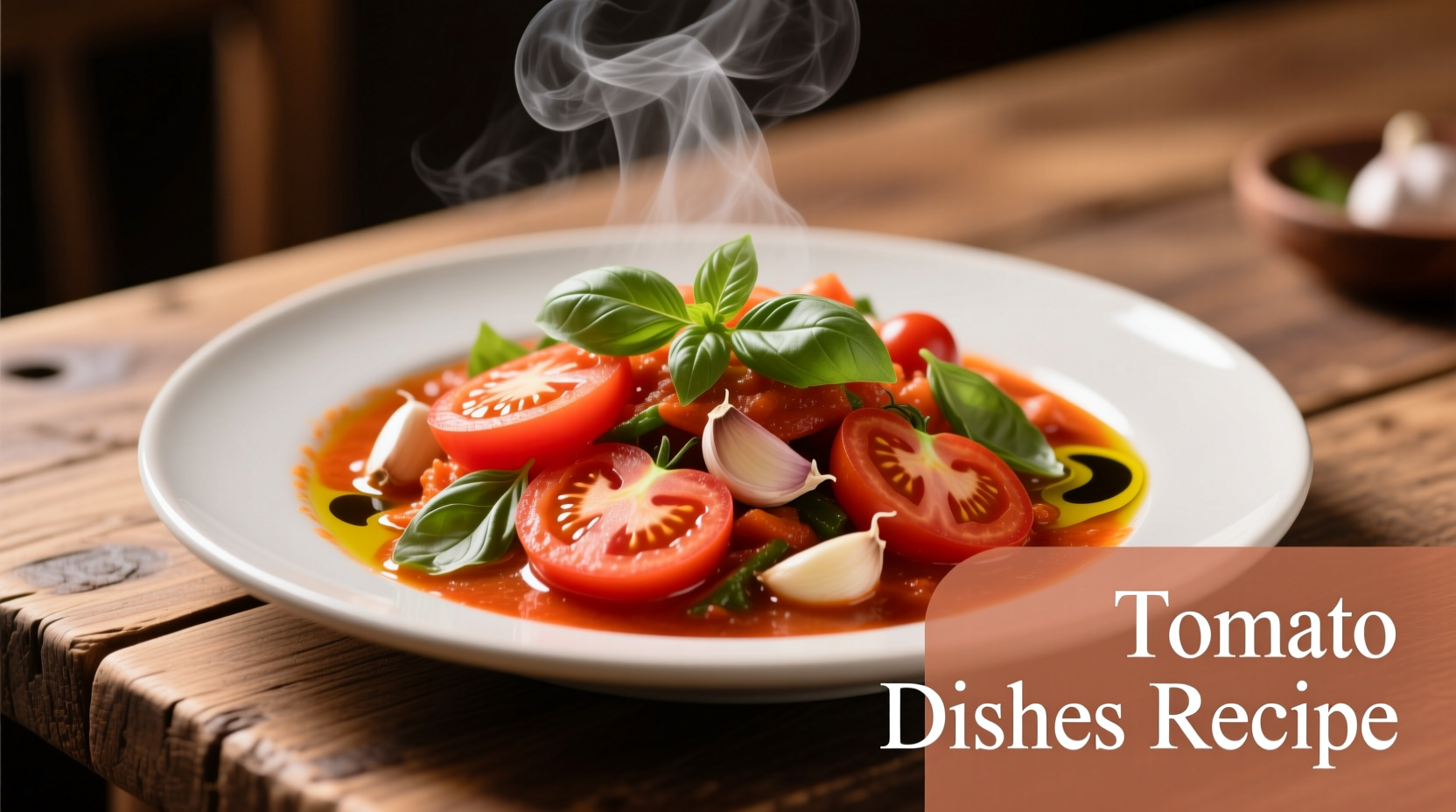
Tomatoes transform simple ingredients into extraordinary meals. With proper technique, even basic tomato dishes become culinary highlights. This guide delivers practical, tested recipes that solve common problems like watery sauces and bland flavors while celebrating tomatoes' versatility across seasons and cultures.
Why Tomatoes Are Culinary Powerhouses
More than just a kitchen staple, tomatoes deliver unmatched versatility. According to the USDA FoodData Central, one medium tomato provides 28% of your daily vitamin C needs and contains lycopene, an antioxidant with documented health benefits. Their natural acidity balances rich dishes while their sweetness enhances savory applications.
| Tomato Type | Best For | Peak Season |
|---|---|---|
| Roma | Sauces, canning | July-September |
| Beefsteak | Sandwiches, grilling | June-August |
| Cherry | Salads, roasting | May-October |
| Heirloom | Raw applications | July-September |
Mastering the Foundation: Perfect Tomato Sauce Every Time
Great tomato dishes start with proper sauce technique. Many home cooks struggle with watery consistency or flat flavor—problems easily solved with professional methods.
The 3-Step Sauce Solution:
- Prep properly: Remove seeds and gel from Roma tomatoes to prevent excess liquid
- Layer flavors: Sauté aromatics (onion, garlic) before adding tomatoes
- Finish bright: Stir in fresh basil and a splash of balsamic vinegar after cooking
This technique creates restaurant-quality sauce in under 30 minutes. For pasta applications, reserve ¼ cup pasta water before draining—its starch helps sauce cling perfectly.
Seasonal Tomato Showcase
Tomatoes shine differently across seasons. Understanding these variations helps you create perfect dishes year-round.
Summer's Peak: Heirloom Caprese Salad
When tomatoes reach peak ripeness in midsummer, showcase them simply:
- Slice heirloom tomatoes ¼-inch thick
- Alternate with fresh mozzarella slices
- Add basil leaves between layers
- Drizzle with high-quality olive oil and flaky sea salt
Pro tip: Let tomatoes sit at room temperature for 30 minutes before serving—cold dulls their flavor.
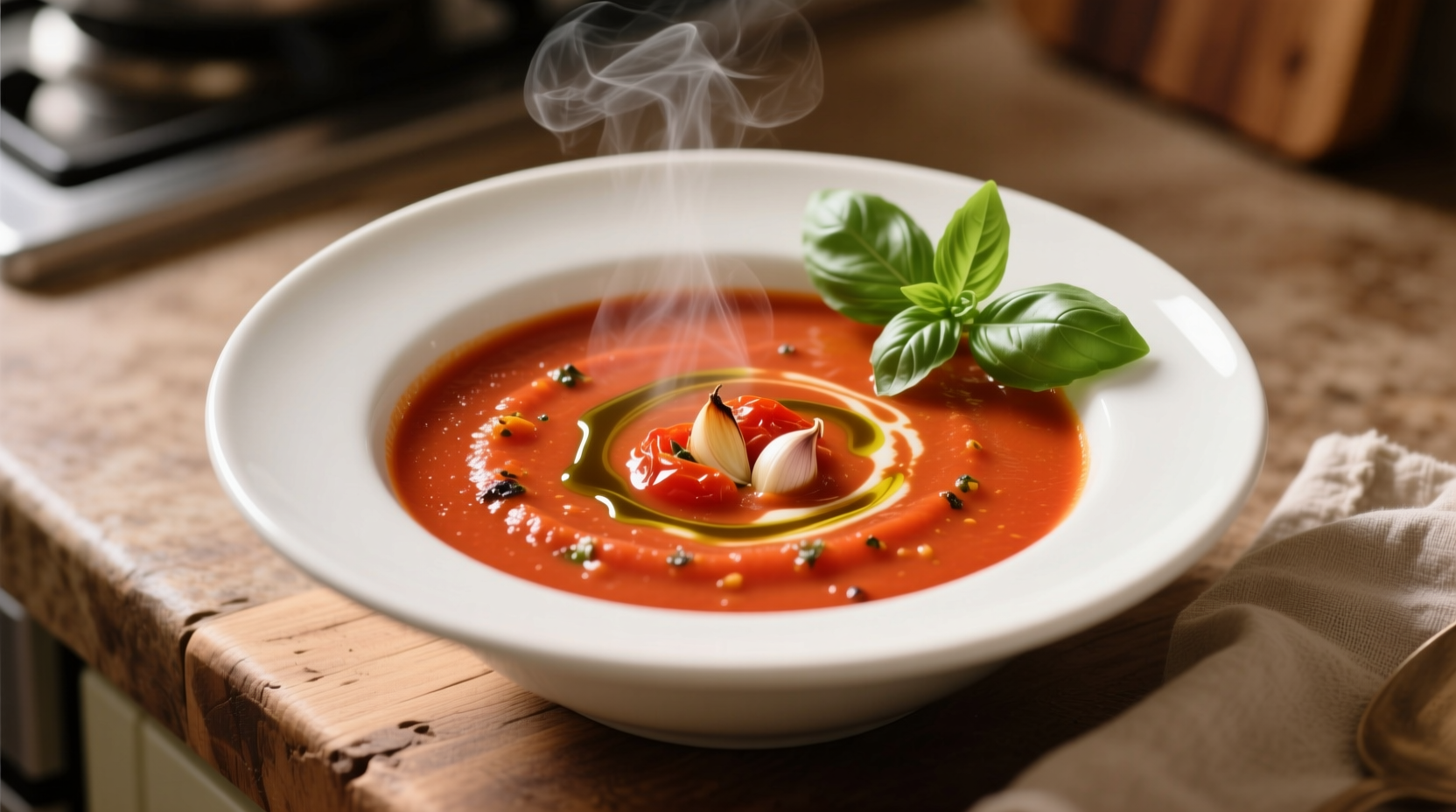
Fall Transition: Roasted Tomato & Red Pepper Soup
As tomatoes become less sweet in fall, roasting deepens their natural sugars:
- Toss 2 lbs tomatoes and 2 roasted red peppers with olive oil
- Add 1 sliced onion and 3 garlic cloves
- Roast at 400°F until caramelized (25-30 minutes)
- Blend with 2 cups vegetable broth until smooth
Global Tomato Traditions
Tomatoes traveled from South America to worldwide kitchens, adapting to local cuisines. Understanding these traditions helps recreate authentic flavors.
Mediterranean Mastery: Spanish Pan con Tomate
This Catalan staple demonstrates how minimal ingredients create maximum impact:
- Toast rustic bread until golden
- Rub cut garlic clove over surface
- Score ripe tomato and rub flesh-side over bread
- Finish with olive oil and sea salt
Unlike Italian bruschetta, the tomato integrates with the bread rather than sitting on top—a subtle difference creating distinct textures.
Latin American Vibrancy: Salsa Verde Roja
Mexican cooks transform tomatoes through controlled charring:
- Char 1 lb tomatillos and 2 tomatoes on comal or skillet
- Blend with 1 serrano pepper (seeded for milder version)
- Add ¼ cup cilantro and 1 minced garlic clove
- Season with lime juice rather than vinegar for authentic flavor
Troubleshooting Common Tomato Problems
Even experienced cooks face tomato challenges. These solutions address frequent issues:
Fixing Watery Sauces
Excess liquid plagues many tomato dishes. Instead of lengthy reductions that dull flavor:
- Add 1 tablespoon tomato paste during cooking to absorb moisture
- Include a small piece of stale bread while simmering (remove before serving)
- For immediate thickening, mix 1 teaspoon cornstarch with 2 tablespoons cold water
Balancing Acidity
Underripe tomatoes can make dishes unpleasantly sharp:
- Add ¼ teaspoon baking soda to neutralize excess acid
- Include natural sweeteners like grated carrot or caramelized onion
- Finish with a touch of honey (¼ teaspoon at a time)
Advanced Techniques for Exceptional Results
Elevate your tomato dishes with these professional methods:
Concentrating Flavor Through Roasting
Roasting transforms tomatoes by caramelizing natural sugars:
- Cut tomatoes in half and remove seeds
- Toss with olive oil, salt, and herbs
- Roast at 300°F for 90-120 minutes until concentrated
- Store in oil for up to 2 weeks
These roasted tomatoes work beautifully in sandwiches, pastas, or as pizza topping—delivering intense flavor with minimal ingredients.
Preserving the Harvest
When tomatoes peak in late summer, preserve their flavor:
- Freezing: Blanch, peel, and freeze whole tomatoes (thaw for sauces)
- Canning: Process in water bath with proper acidity (pH below 4.6)
- Drying: Oven-dry at 200°F with herbs for versatile flavor bombs
Conclusion: Embracing Tomato Versatility
Tomatoes reward thoughtful preparation with extraordinary results. By matching techniques to seasonal availability and understanding global traditions, home cooks create dishes rivaling professional kitchens. Start with these foundational recipes, then experiment with your favorite variations—tomatoes' adaptability ensures success whether you're making quick weeknight meals or special occasion dishes.
What's the best tomato variety for pasta sauce?
Roma (plum) tomatoes are ideal for pasta sauce due to their lower water content, higher flesh-to-juice ratio, and concentrated flavor. Their thick walls and fewer seeds prevent watery sauces while their natural sweetness balances acidity.
How do I prevent my tomato sauce from becoming watery?
Remove seeds and gel before cooking, as they contain most of the water. Add 1 tablespoon tomato paste during sautéing to absorb moisture, and include a small piece of stale bread while simmering (remove before serving). Avoid overfilling your pot, which prevents proper evaporation.
Can I use unripe tomatoes in cooking?
Yes, unripe tomatoes work well in specific applications. They're perfect for fried green tomatoes, chutneys, and certain salsas where their tartness adds brightness. For sauces, balance their acidity with natural sweeteners like grated carrot or a pinch of sugar.
How should I store tomatoes for maximum freshness?
Store ripe tomatoes stem-side down at room temperature away from direct sunlight. Never refrigerate unless cut—cold temperatures destroy flavor compounds and create mealy texture. Use within 3-5 days for peak quality.




 浙公网安备
33010002000092号
浙公网安备
33010002000092号 浙B2-20120091-4