

Unlock the Secret to Growing Exceptional Cherokee Purple Tomatoes
Imagine biting into a tomato that bursts with sweet, smoky flavor and has a stunning purple hue unlike anything from the grocery store. That's the promise of Cherokee Purple tomatoes grown from seed. This heirloom variety isn't just beautiful—it delivers complex flavor that modern hybrids often lack. Whether you're a beginner gardener or seasoned grower, this guide gives you everything needed to successfully cultivate Cherokee Purple tomatoes from seed to harvest.
Why Cherokee Purple Seeds Deserve a Spot in Your Garden
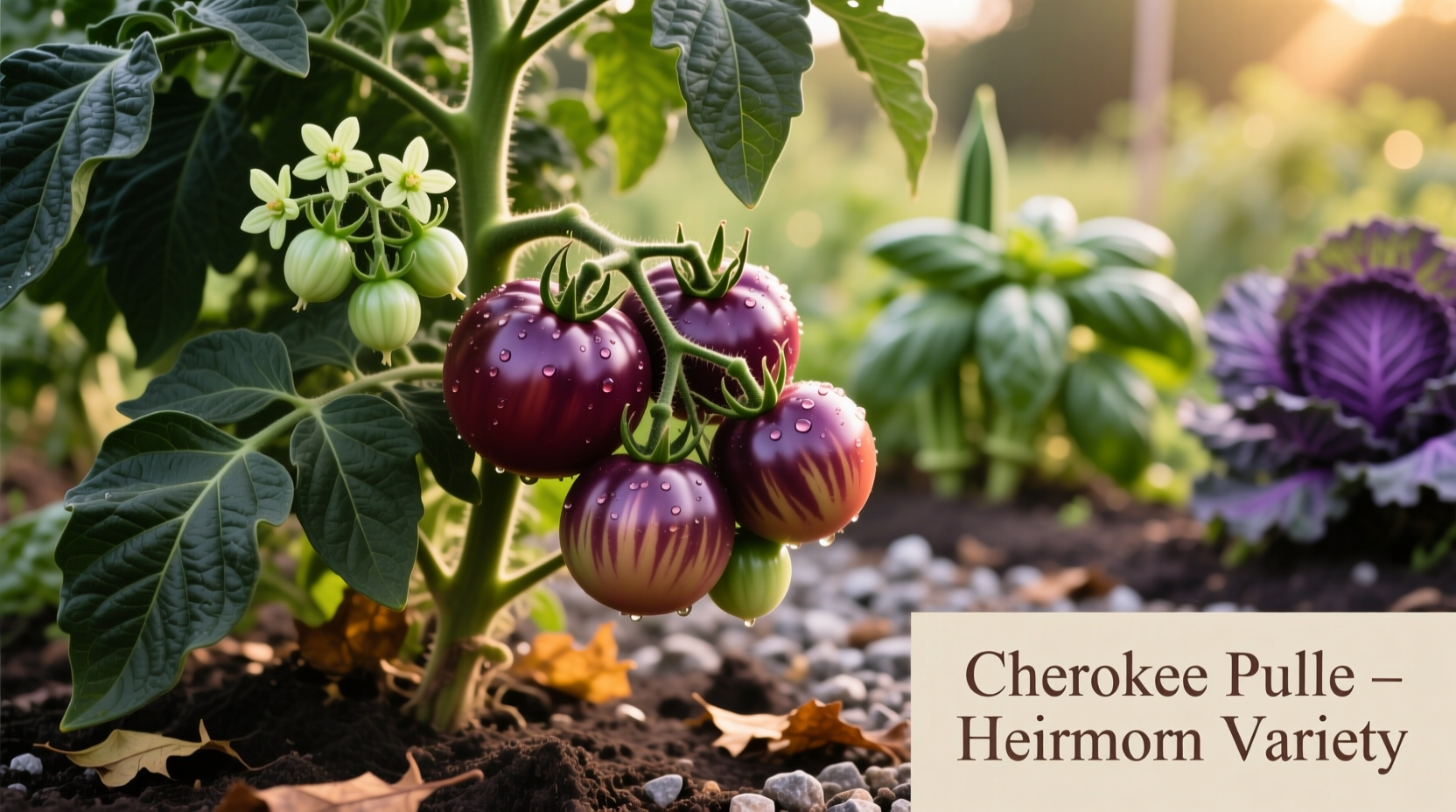
Cherokee Purple isn't just another tomato variety—it's a piece of agricultural history with exceptional taste. Developed by the Cherokee Native American tribe and introduced to wider cultivation in the 1990s, this indeterminate variety produces large, beefsteak-style fruits weighing 10-12 ounces on average. The deep reddish-purple skin with green shoulders indicates ripeness, while the interior offers a perfect balance of sweetness and acidity.
Unlike many commercial hybrids, Cherokee Purple tomatoes deliver that nostalgic "old-fashioned" tomato flavor gardeners seek. Their complex taste profile features subtle smoky notes with earthy undertones, making them ideal for fresh eating, sandwiches, and gourmet salads.
Starting Your Cherokee Purple Seeds: The Critical First Step
Timing matters most when starting Cherokee Purple seeds. Begin the process 6-8 weeks before your area's last expected frost date. These tomatoes need a long growing season, so starting too late means missing optimal harvest time.
Seed Starting Checklist
- Seed depth: Plant 1/4 inch deep in sterile seed starting mix
- Temperature: Maintain 75-85°F (24-29°C) for germination
- Moisture: Keep soil consistently moist but not waterlogged
- Light: Provide 14-16 hours of light daily once sprouted
Expect germination within 5-10 days. When seedlings develop their second set of true leaves, transplant to individual 3-4 inch pots. Harden off plants gradually over 7-10 days before moving outdoors permanently.
| Growing Stage | Timeline | Critical Actions |
|---|---|---|
| Seed starting | 6-8 weeks before last frost | Warm temperatures, consistent moisture |
| Transplanting outdoors | After last frost, soil 60°F+ | Deep planting, support installation |
| First harvest | 70-80 days after transplant | Watch for color change, gentle harvesting |
Planting and Garden Preparation for Maximum Yield
Cherokee Purple tomatoes thrive in conditions that mimic their native Southeastern US environment. Select a garden location with full sun exposure (6-8 hours daily) and well-draining soil. These plants develop extensive root systems, so prepare planting holes at least twice as wide as your seedling's root ball.
Unlike determinate varieties, Cherokee Purple is indeterminate, meaning it will continue growing and producing fruit until frost. This requires substantial support—install sturdy tomato cages or trellising systems at planting time to avoid damaging roots later.
Soil Requirements That Make a Difference
Before planting, amend your soil with generous amounts of compost or well-rotted manure. Cherokee Purple tomatoes prefer slightly acidic soil with a pH between 6.2-6.8. The University of Tennessee Agricultural Extension recommends incorporating 3-4 inches of organic matter into the top 8-12 inches of soil for optimal tomato growth.
When transplanting, bury the stem up to the first set of leaves. This encourages additional root development along the buried stem, creating a stronger, more resilient plant. Space plants 24-36 inches apart with 4-5 feet between rows for proper air circulation.
Season-Long Care: Watering, Feeding, and Maintenance
Consistent watering makes or breaks your Cherokee Purple harvest. These tomatoes need 1-2 inches of water weekly, with deeper, less frequent watering preferred over daily sprinkling. Water at the base of plants to prevent fungal diseases—never overhead.
Fertilize strategically: Apply balanced organic fertilizer when transplanting, then switch to a low-nitrogen, high-phosphorus formula when flowers appear. The Rodale Institute's research shows that excessive nitrogen promotes leafy growth at the expense of fruit production in heirloom tomatoes.
Pruning for Better Fruit Quality
While Cherokee Purple tomatoes don't require aggressive pruning like some varieties, removing suckers (the shoots that grow between main stems and branches) improves air circulation and directs energy toward fruit production. Focus on maintaining 2-3 main stems for optimal yield without stressing the plant.
Harvesting and Seed Saving: Continuing the Heirloom Legacy
Cherokee Purple tomatoes reach peak flavor when fully vine-ripened. Look for these visual cues:
- Deep purple-red coloration covering most of the fruit
- Green shoulders fading to yellow-green
- Slight softening when gently squeezed
- Fruit easily separates from the stem with a gentle twist
Harvest in the early morning when sugars are highest. Unlike commercial varieties, Cherokee Purples continue ripening after picking, but flavor develops best on the vine.
To save seeds for next year, select fully ripe, unblemished fruits. Scoop out the gelatinous seed sacs, ferment in water for 3-5 days, then rinse and dry thoroughly before storing in a cool, dark place. Properly stored Cherokee Purple seeds remain viable for 4-6 years.
Troubleshooting Common Growing Challenges
Cherokee Purple tomatoes face similar issues as other heirlooms but with some specific vulnerabilities:
Cracking and Splitting
These large tomatoes sometimes crack when ripening, especially after heavy rain following dry periods. Prevent this by maintaining consistent soil moisture and applying mulch to regulate water uptake. The USDA Agricultural Research Service notes that heirloom varieties like Cherokee Purple are more prone to cracking than modern hybrids due to their thinner skins.
Blossom End Rot
This calcium deficiency appears as dark, sunken spots on the bottom of fruits. Prevent it by maintaining consistent watering and adding calcium-rich amendments like crushed eggshells to planting holes. Avoid excessive nitrogen fertilizers that interfere with calcium uptake.
Regional Growing Considerations
Cherokee Purple performs best in USDA zones 5-9. Gardeners in cooler northern climates should select the warmest, sunniest spot available and consider using black plastic mulch to warm soil. In hot southern climates, provide afternoon shade to prevent sunscald and blossom drop during extreme heat.
Cherokee Purple Through the Years: A Brief History Timeline
This heirloom variety has a fascinating journey from tribal cultivation to garden favorite:
- Pre-1890s: Grown by the Cherokee Nation in eastern Tennessee and western North Carolina
- 1890s: First documented in seed catalogs as "Cherokee Purple"
- 1990: Rediscovered by John Green of Sevierville, Tennessee, who shared seeds with Tomato Growers Supply Company
- 1993: Introduced commercially by Tomato Growers Supply Company, quickly gaining popularity
- 2005: Recognized by Slow Food USA as a heritage food worthy of preservation
- Present: One of the most popular heirloom tomato varieties grown by home gardeners nationwide
Unlike many modern hybrids developed for shipping durability, Cherokee Purple has been preserved through generations of seed saving, maintaining its distinctive flavor profile that commercial varieties often sacrifice for shelf life.
Maximizing Your Cherokee Purple Tomato Success
Growing Cherokee Purple tomatoes from seed connects you to a living agricultural tradition while delivering exceptional flavor. By starting seeds properly, providing ideal growing conditions, and addressing challenges proactively, you'll enjoy a bountiful harvest of these stunning purple heirlooms.
Remember that patience pays off with Cherokee Purple—their complex flavor develops fully only when vine-ripened. Don't rush the harvest, and you'll be rewarded with tomatoes that surpass anything available commercially. As you save seeds from your best fruits, you're not just growing tomatoes—you're participating in the preservation of a valuable heirloom variety.




 浙公网安备
33010002000092号
 浙B2-20120091-4