
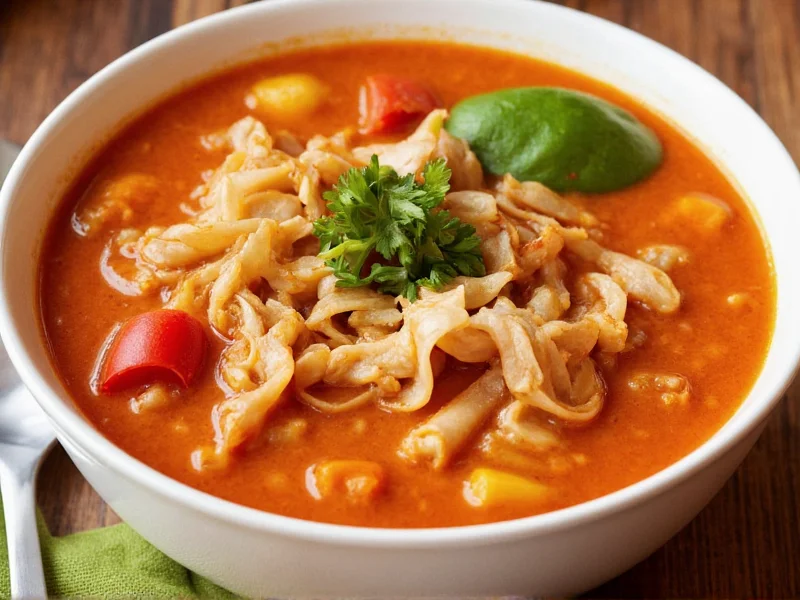
Tom yum soup has gained international popularity not just for its distinctive hot and sour flavor profile, but also for its potential health benefits. Understanding the precise tom yum soup nutrition facts helps health-conscious diners make informed choices whether ordering at restaurants or preparing it at home. This comprehensive analysis examines the nutritional composition, health implications, and variables affecting the nutritional value of this beloved Thai culinary staple.
Nutritional Composition of Traditional Tom Yum Soup
The nutritional profile of tom yum soup varies depending on preparation methods and specific ingredients used. Authentic versions without coconut milk tend to be lower in calories and fat compared to richer variations. The core ingredients—lemongrass, kaffir lime leaves, galangal, chilies, and lime juice—contribute most of the soup's distinctive flavor and nutritional benefits without adding significant calories.
| Nutrient | Per 1 Cup (240ml) Serving | % Daily Value* |
|---|---|---|
| Calories | 70-100 kcal | 3-5% |
| Protein | 5-8g | 10-16% |
| Total Fat | 2-4g | 3-5% |
| Saturated Fat | 0.5-1g | 3-5% |
| Carbohydrates | 5-8g | 2-3% |
| Dietary Fiber | 1-2g | 4-7% |
| Sugars | 2-4g | - |
| Sodium | 800-1200mg | 35-52% |
| Vitamin C | 15-25mg | 17-28% |
| Calcium | 20-40mg | 2-4% |
| Iron | 0.5-1mg | 3-6% |
*Percent Daily Values based on a 2,000 calorie diet. Values may vary based on specific recipe and preparation.
Key Nutritional Components and Their Health Impacts
The distinctive ingredients in tom yum soup contribute unique nutritional properties that differentiate it from other soup varieties. Understanding these tom yum soup nutritional value components helps explain its reputation as a potentially health-promoting dish.
Metabolism-Boosting Properties
Chili peppers contain capsaicin, the compound responsible for their heat, which research suggests may temporarily increase metabolic rate and promote fat oxidation. This makes traditional tom yum soup calories per serving potentially more metabolically active than other soup options. The ginger-like galangal also contributes thermogenic properties that may support digestion and metabolism.
Vitamin and Antioxidant Content
Lemongrass and kaffir lime leaves provide significant vitamin C and various antioxidants. Vitamin C supports immune function and acts as an antioxidant, while the essential oils in these herbs contain compounds with potential anti-inflammatory effects. The lime juice added at the end preserves vitamin C content that might otherwise be reduced through cooking.
Factors That Significantly Alter Tom Yum Soup Nutrition Facts
Several preparation variables dramatically affect the final tom yum soup protein content and overall nutritional profile. Being aware of these factors helps when evaluating restaurant menus or adjusting homemade recipes.
Protein Source Variations
The choice of protein significantly impacts the nutritional composition:
- Shrimp tom yum: Adds approximately 15-20g protein per serving but increases cholesterol content
- Chicken tom yum: Provides lean protein (12-18g per serving) with moderate fat content
- Veggie tom yum: Lowest in protein (3-5g per serving) but highest in vegetable-derived nutrients
- Tom yum goong (with coconut milk): Increases calories to 180-250 per serving and fat content to 12-18g
Sodium Content Considerations
One of the most significant concerns in tom yum soup sodium content is the heavy reliance on fish sauce and shrimp paste. Restaurant versions often contain 1,000-1,500mg sodium per serving, which represents 40-65% of the recommended daily limit. Homemade versions can reduce sodium by:
- Using reduced-sodium fish sauce
- Increasing herb content to compensate for reduced salt
- Adding extra lime juice for flavor without sodium
- Preparing broth from scratch rather than using commercial bases
Tom Yum Soup in Different Dietary Contexts
Understanding how tom yum soup fits within various dietary frameworks helps determine its suitability for specific health goals. The tom yum soup nutritional facts make it particularly interesting for certain dietary approaches.
Weight Management Perspective
Traditional tom yum without coconut milk offers a low-calorie, high-flavor option that can support weight management efforts. The combination of spicy ingredients, acidity, and hydration may promote satiety. However, the high sodium content can cause temporary water retention, which might affect the scale despite the soup's relatively low calorie count.
| Soup Type | Calories (per 240ml) | Protein (g) | Total Fat (g) | Sodium (mg) | Key Differentiators |
|---|---|---|---|---|---|
| Traditional Tom Yum | 85 | 6.5 | 3 | 1000 | High vitamin C, capsaicin |
| Miso Soup | 41 | 2.7 | 1.3 | 724 | Fermented, probiotic potential |
| Chicken Noodle Soup | 68 | 4.1 | 1.6 | 875 | Higher carbohydrates, moderate protein |
| Cream of Mushroom Soup | 107 | 2.5 | 5.5 | 875 | Higher fat, lower vitamin C |
*Tom yum data based on traditional preparation without coconut milk, sourced from the Institute of Nutrition, Mahidol University (2020). Other data from USDA FoodData Central (FDC IDs: 170158, 170159, 170160).
Contextual Limitations and Special Considerations
While tom yum soup offers notable health benefits, its suitability varies significantly based on individual health conditions. The American Heart Association recommends limiting daily sodium intake to 1,500-2,300mg, with 1,500mg being ideal for most adults. A typical restaurant serving of tom yum (1,000-1,500mg sodium) can consume 65-100% of this ideal limit, making it potentially problematic for individuals managing hypertension or heart disease (American Heart Association).
Additionally, the capsaicin in chilies, while metabolism-boosting, may trigger gastrointestinal issues. A 2020 review in the Journal of Gastroenterology and Hepatology found that spicy foods exacerbate symptoms in approximately 30% of individuals with irritable bowel syndrome (IBS) (Chen et al., 2020). Those with acid reflux or ulcers may also experience discomfort from the soup's acidity and spiciness.
Practical Tips for Health-Conscious Tom Yum Consumption
Whether ordering at restaurants or preparing tom yum at home, several strategies optimize its nutritional profile while maintaining authentic flavor. These approaches address common concerns in tom yum soup nutrition facts.
Restaurant Ordering Guidance
- Request "traditional" or "clear broth" tom yum to avoid coconut milk versions
- Ask for "less sodium" or "no added fish sauce" if available
- Choose shrimp or chicken over pork for leaner protein options
- Be mindful of portion sizes as restaurant servings often exceed 2 cups
Homemade Recipe Adjustments
For those preparing homemade tom yum soup nutrition facts to their specifications:
- Use homemade broth to control sodium content
- Add extra mushrooms and vegetables to increase fiber and nutrient density
- Adjust chili quantity to personal tolerance while maintaining metabolic benefits
- Finish with generous lime juice to boost vitamin C and flavor without sodium
Addressing Common Misconceptions About Tom Yum Nutrition
Several myths surround tom yum soup's health properties. Understanding the actual tom yum soup health benefits and drawbacks provides a more accurate picture.
While some claim tom yum soup can "melt fat" or provide dramatic weight loss effects, the reality is more nuanced. The capsaicin content may provide a modest metabolic boost, but this effect is temporary and relatively small. The soup's primary benefits come from its low calorie density, high flavor profile, and nutrient-rich ingredients rather than any miraculous fat-burning properties.
Similarly, while tom yum soup contains beneficial ingredients, it's not a "superfood" that can compensate for an otherwise poor diet. Its value comes from being a flavorful, relatively low-calorie option that can fit within a balanced eating pattern.
Conclusion
Understanding the complete tom yum soup nutrition facts empowers diners to make informed choices that align with their health goals. Traditional preparation offers a flavorful, relatively low-calorie option rich in beneficial compounds from its herbal ingredients. While sodium content warrants attention, particularly in restaurant versions, the soup's overall nutritional profile makes it a potentially valuable component of a balanced diet. By recognizing how preparation methods affect nutritional content, consumers can enjoy this beloved Thai dish while optimizing its health benefits.




 浙公网安备
33010002000092号
浙公网安备
33010002000092号 浙B2-20120091-4