
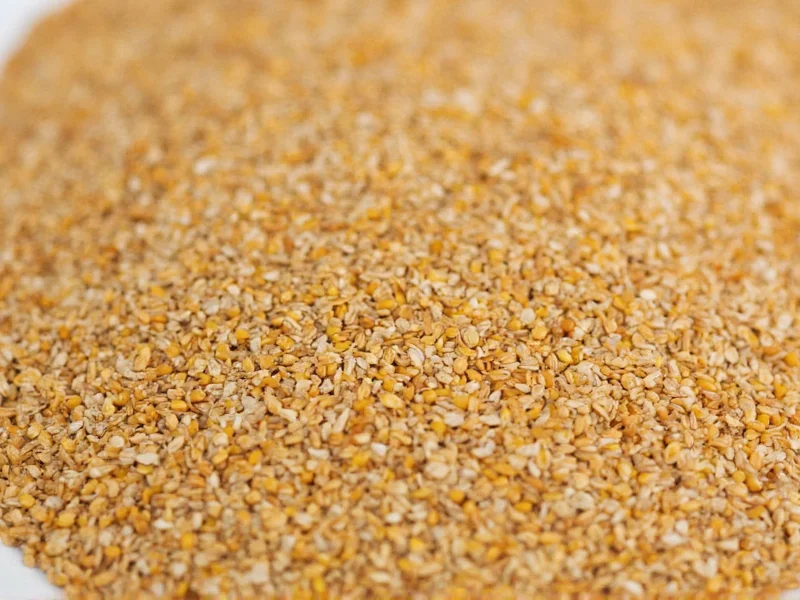
Understanding the proper use of toasted sesame seeds can transform your cooking. These tiny powerhouses deliver a rich, nutty flavor that elevates dishes from simple salads to complex sauces. Unlike their raw counterparts, toasted sesame seeds undergo the Maillard reaction during heating, creating complex flavor compounds while improving the absorption of certain nutrients.
The Science Behind Toasting Sesame Seeds
When sesame seeds are exposed to dry heat, several chemical transformations occur. The Maillard reaction between amino acids and reducing sugars creates hundreds of new flavor compounds, giving toasted sesame seeds their characteristic nutty aroma. This process also breaks down enzyme inhibitors present in raw seeds, potentially improving nutrient absorption.
Contrary to popular belief, moderate toasting doesn't significantly reduce the nutritional value of sesame seeds. While some heat-sensitive compounds may decrease slightly, the overall bioavailability of minerals like calcium and magnesium actually increases as the seed's cellular structure breaks down during the toasting process.
Historical and Scientific Evolution of Sesame Seed Toasting
The practice of toasting sesame seeds spans millennia, with scientific understanding evolving significantly. Key milestones include:
- 2000 BC: Archaeological evidence from Indus Valley civilizations shows sesame cultivation and early dry-roasting techniques for flavor enhancement (Source: FAO Historical Documentation).
- 1912: Louis-Camille Maillard's discovery of the amino acid-sugar reaction explaining browning and flavor development in heated foods (Source: USDA National Agricultural Library).
- 2005: Peer-reviewed research confirming moderate toasting increases mineral bioavailability by breaking down phytic acid while preserving heat-stable antioxidants (Source: Journal of Agricultural and Food Chemistry).
Toasted Sesame Seeds vs Raw: Key Differences
| Characteristic | Raw Sesame Seeds | Toasted Sesame Seeds |
|---|---|---|
| Flavor Profile | Mild, slightly grassy | Rich, nutty, complex |
| Texture | Firm, sometimes chewy | Crisp, crunchy |
| Nutrient Bioavailability | Moderate | Enhanced for minerals |
| Shelf Life | 6-12 months | 2-3 months |
| Best Culinary Uses | Tahini, baking, raw applications | Garnishes, finishing touches, dressings |
Perfecting Your Toasting Technique
Mastering how to toast sesame seeds properly ensures optimal flavor without burning. The stovetop method delivers the most control for home cooks. Use a dry skillet over medium-low heat, spreading seeds in a single layer. Constant stirring is crucial as sesame seeds can go from perfectly toasted to burnt in seconds due to their high oil content.
Watch for these visual and olfactory cues that indicate perfectly toasted sesame seeds: a uniform golden-brown color (not dark brown), a noticeably louder popping sound as they heat, and that distinctive nutty aroma filling your kitchen. The entire process typically takes 3-5 minutes. Immediately transfer seeds to a cool plate after toasting to prevent residual heat from causing over-toasting.
Optimal Storage and Contextual Limitations
Understanding storage requirements and contextual boundaries ensures optimal usage. While toasted sesame seeds maintain flavor for 2-3 weeks at room temperature in airtight containers, their high oil content accelerates oxidation. Refrigeration extends freshness to 2 months, freezing to 4-6 months.
Critical context boundaries include:
- Not suitable for raw food diets due to thermal processing altering enzymatic profiles (Source: National Center for Biotechnology Information).
- Limited application in moisture-rich dishes where crunch retention is impossible (e.g., soups, stews).
- Acrylamide formation risk when overheated beyond 170°C (338°F), per FDA guidelines on roasted foods (FDA Food Safety).
Always check for rancidity indicators—paint-like odors or sticky texture—before use. Incorporate toasted seeds at the end of cooking to preserve texture and volatile flavor compounds.
Culinary Applications That Shine
The uses for toasted sesame seeds in cooking span global cuisines. In Japanese cuisine, they're essential for gomasio (a salt-free seasoning) and as garnish for rice bowls. Korean cooks use them in namul (seasoned vegetable dishes) and as a key component in sesame oil production. Middle Eastern cuisine features them in halva and as a topping for breads like ka'ak.
Professional chefs often toast sesame seeds before grinding them for sauces and dressings, as this technique dramatically enhances flavor depth. Try adding toasted sesame seeds to salad dressings, sprinkling over roasted vegetables, incorporating into bread coatings, or creating a flavorful crust for proteins. The nutty complexity they provide works particularly well with Asian-inspired dishes, but they also complement Mediterranean and Middle Eastern flavors beautifully.
Nutritional Benefits Worth Noting
The nutritional value of toasted sesame seeds remains impressive despite the heating process. A single tablespoon (9g) contains approximately 52 calories, 2.6g of healthy fats, 1.6g of protein, and significant amounts of manganese, copper, calcium, and magnesium. The toasting process actually increases the bioavailability of these minerals by breaking down phytic acid, which can inhibit mineral absorption in raw seeds.
Research suggests that sesame seeds contain lignans like sesamin and sesamolin, which may support heart health and have antioxidant properties. While raw seeds contain these compounds, the heating process may make them more accessible to the body. However, extremely high-temperature toasting can degrade some heat-sensitive nutrients, which is why proper toasting technique matters for maximizing the benefits of toasted sesame seeds.




 浙公网安备
33010002000092号
浙公网安备
33010002000092号 浙B2-20120091-4