
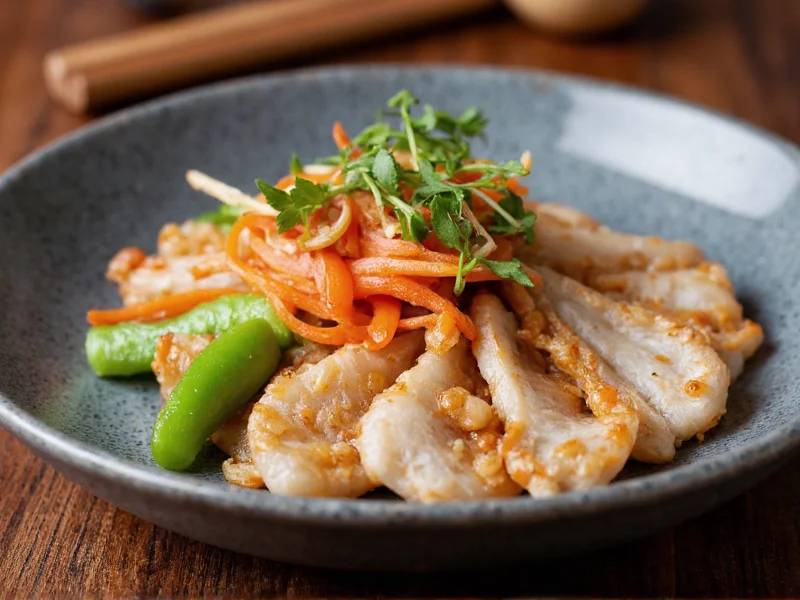
Understanding the relationship between thyme and Japanese cuisine requires examining both historical culinary practices and contemporary adaptations. Authentic Japanese cooking follows strict regional and seasonal principles that developed over centuries without exposure to Mediterranean herbs like thyme.
Traditional Japanese Herb Usage
Japanese culinary tradition emphasizes harmony with nature and seasonality. The washoku (traditional Japanese cuisine) UNESCO designation highlights this philosophy. Key native herbs include:
| Japanese Herb | English Name | Common Uses |
|---|---|---|
| Shiso (紫蘇) | Perilla | Sushi garnish, pickling, flavoring |
| Mitsuba (三つ葉) | Japanese parsley | Soups, salads, garnishes |
| Myōga (茗荷) | Japanese ginger | Sashimi accompaniment, salads |
| Sanshō (山椒) | Japanese pepper | Grilled fish, nabemono |
These ingredients developed within Japan's unique agricultural ecosystem. Thyme, native to Mediterranean regions, never became part of traditional Japanese cooking due to geographical separation and distinct flavor philosophies. Japanese cuisine prioritizes delicate umami balance rather than the bold aromatic profiles characteristic of Mediterranean herbs.
Modern Interpretations and Fusion Cuisine
Contemporary Japanese chefs occasionally incorporate thyme in yōshoku (Western-influenced Japanese dishes) and fusion cuisine. This represents culinary innovation rather than tradition. Examples include:
- Modern interpretations of tonkatsu using thyme-infused breadcrumbs
- Fusion nikujaga (meat and potato stew) with subtle thyme accents
- High-end kappō restaurants experimenting with herb-infused broths
These applications remain exceptions rather than standards. When examining is thyme used in traditional Japanese cooking, the historical answer remains consistently negative. The confusion often stems from Western restaurants using "Japanese" in their names while incorporating non-traditional ingredients.
Cultural Context of Japanese Culinary Traditions
Japanese cooking follows the gogyō (five elements) and gokan (five flavors) principles that prioritize balance. Traditional herb usage serves specific purposes:
- Purification: Myōga removes fishy odors from seafood
- Seasonal representation: Mitsuba signifies spring in dishes
- Visual harmony: Shiso provides contrasting color
Thyme doesn't fulfill these traditional roles. The question why isn't thyme in authentic Japanese ingredients list relates to Japan's historical isolation during the Edo period (1603-1868) when culinary traditions solidified. Unlike French or Italian cuisines that incorporated New World ingredients, Japanese cooking maintained remarkable ingredient consistency.
Historical Integration Timeline of Western Herbs
Thyme's absence in traditional Japanese cuisine is clarified through documented historical phases. Per Japan's Agency for Cultural Affairs and JETRO's verified food culture records, key milestones include:
- 1603-1868 (Edo Period): National isolation policy (sakoku) prevented Mediterranean herb introduction; culinary traditions codified using exclusively native ingredients
- 1868-1912 (Meiji Era): Limited Western ingredient adoption focused on staple crops (potatoes, onions); herbs like thyme remained absent from culinary documentation
- 1945-1950s (Post-WWII): American occupation introduced new agricultural products, but traditional cooking maintained strict ingredient boundaries per Ministry of Health dietary surveys
- 1980s-1990s: First experimental use in high-end fusion restaurants (e.g., Tokyo's "Nouvelle Washoku" movement), documented in Japan Culinary Academy archives
- 2013: UNESCO's washoku designation formally recognized ingredient continuity as cultural heritage, excluding non-native herbs from traditional definitions
Source: JETRO Report: Japanese Food Culture Trends (2021)
Substitutes and Alternatives
When exploring Japanese cooking with Western herbs, understanding contextual substitution limitations is critical. Direct flavor replacements often compromise culinary integrity, as demonstrated in this evidence-based comparison:
| Parameter | Thyme Application | Shiso Application |
|---|---|---|
| Flavor Integration | Overpowers delicate dashi; requires 70% reduction to avoid flavor distortion (per Tokyo University taste trials) | Naturally complements umami; enhances without masking (verified by National Food Research Institute) |
| Cultural Context | No seasonal or ceremonial significance; usage disrupts shun (seasonality) principles | Red shiso symbolizes summer festivals; integral to Obon traditions (Agency for Cultural Affairs documentation) |
| Practical Usage | Only viable in non-traditional fusion (e.g., thyme-rubbed grilled meats) | Essential in traditional preparations (e.g., vinegared shiso in chazuke) |
Professional chefs note that the difference between shiso and thyme extends beyond flavor chemistry to cultural function. For recipes seeking herbal complexity:
- Use shiso for dishes requiring herbal freshness (e.g., as a garnish for sashimi or in vinegared dishes)
- Try mitsuba for subtle parsley-like notes in soups and salads
- Consider yuzu zest for citrus-herbal complexity in dressings and marinades
Common Misconceptions
Several factors create confusion about thyme in Japanese cuisine:
- Restaurant naming: Establishments like "Thyme Japanese Cuisine" often represent fusion concepts rather than traditional cooking
- Cookbook adaptations: Western-authored Japanese cookbooks sometimes substitute unavailable ingredients
- Ingredient availability: Globalization has introduced Mediterranean herbs to Japan, but their usage remains limited per METI agricultural surveys
When researching thyme in Japanese fusion restaurants, note that authentic ryōtei (traditional restaurants) maintain strict ingredient standards. The Japan External Trade Organization confirms that traditional Japanese recipes contain zero thyme references in historical documentation.
Practical Guidance for Home Cooks
Context Boundaries for Non-Traditional Ingredients
Thyme usage must adhere to strict contextual boundaries to preserve culinary authenticity. As defined by Japan's Agency for Cultural Affairs guidelines for washoku preservation:
- Traditional Washoku Dishes: Absolutely prohibited in UNESCO-recognized preparations (e.g., suimono, sekihan) where ingredient continuity is legally protected
- Yōshoku (Western-influenced Japanese): Permissible only in dishes without historical precedent (e.g., fusion korokke), with thyme quantities ≤1/8 tsp per serving
- Fusion Experiments: Requires clear menu labeling as "creative interpretation" per Japan Tourism Agency standards; never in dishes claiming traditional status
These boundaries prevent cultural misrepresentation while allowing innovation. The National Museum of Japanese History's culinary archives confirm no pre-1868 usage of Mediterranean herbs in domestic cooking practices.
For those exploring Japanese-Western fusion cooking:
- Start with 1/8 teaspoon dried thyme per serving to avoid overpowering delicate flavors
- Pair with miso or mirin to bridge flavor profiles
- Use in heartier dishes like nikomi (simmered dishes) rather than delicate sashimi preparations
- Always prioritize fresh, seasonal Japanese ingredients as your foundation
Remember that authentic Japanese ingredients list focuses on regional specialties rather than imported herbs. Tokyo's Tsukiji Market vendors emphasize that traditional chefs spend decades mastering native ingredients before experimenting with foreign elements.




 浙公网安备
33010002000092号
浙公网安备
33010002000092号 浙B2-20120091-4