
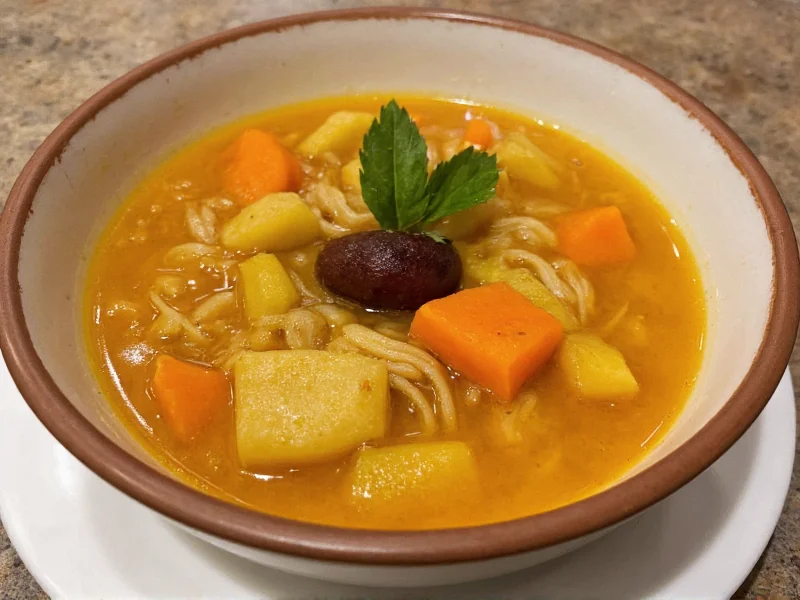
Understanding thick soup requires examining both its physical properties and culinary purpose. The ideal thickness creates a spoon-standing consistency without becoming paste-like, balancing flavor concentration with enjoyable texture. Professional chefs measure soup thickness using the "spoon coat" test – when properly thickened, the soup should evenly coat the back of a spoon without running off immediately.
The Science Behind Soup Thickness
Soup thickness depends on several key factors working together. Starch molecules absorb liquid and swell when heated, creating viscosity. Proteins coagulate and trap liquid. Vegetable fibers break down during cooking, releasing natural thickeners. The interaction of these elements determines whether your soup achieves that perfect spoon-standing consistency.
Temperature plays a crucial role in thick soup preparation. Most thickeners require specific temperature thresholds to activate properly. Roux needs cooking to eliminate raw flour taste while developing flavor. Cornstarch must reach boiling point to thicken effectively. Understanding these thermal requirements prevents common mistakes like adding cold roux to hot soup or removing starch-thickened soup from heat too soon.
Global Thick Soup Traditions
Cultures worldwide have developed distinctive thick soup preparations reflecting local ingredients and culinary traditions. These variations demonstrate how thick soup serves as both nourishment and cultural expression.
| Cultural Tradition | Signature Thick Soup | Primary Thickening Method | Key Ingredients |
|---|---|---|---|
| French | Bisque | Shellfish shells + cream reduction | Lobster, shrimp, cognac, cream |
| American | Clam Chowder | Roux + potato puree | Clams, potatoes, bacon, dairy |
| Spanish | Salmorejo | Bread emulsion | Tomatoes, bread, garlic, olive oil |
| Japanese | Miso Soup (thick version) | Miso paste concentration | Miso, tofu, seaweed, mushrooms |
| Brazilian | Caldo Verde | Potato + kale fiber | Kale, potatoes, chorizo |
Thickening Methods Compared
Chefs employ various techniques to achieve perfect soup thickness, each with distinct advantages and limitations. The choice depends on desired texture, flavor compatibility, dietary requirements, and available ingredients.
Roux-based thickening remains the classic French technique, creating velvety textures with rich flavor development. A 1:1 ratio of fat to flour cooked to appropriate color (white, blond, or brown) provides different flavor profiles while thickening effectively. This method works well for cream soups and bisques but adds calories and isn't suitable for gluten-free diets.
Pureeing transforms soup ingredients themselves into thickeners. Blending cooked vegetables like potatoes, beans, or squash creates natural thickness without additives. This technique preserves nutrients and creates clean-label soups ideal for health-conscious eaters seeking thick soup recipes without artificial thickeners.
Starch thickeners offer precise control over consistency. Cornstarch creates a clear, glossy finish ideal for Asian soups. Arrowroot works well with acidic ingredients. Tapioca provides elasticity. These require proper slurry preparation (mixing with cold liquid first) to prevent lumps when added to hot soup.
Troubleshooting Common Thick Soup Problems
Even experienced cooks encounter issues with soup consistency. Understanding how to fix watery soup or rescue an overly thick preparation makes the difference between success and disappointment.
When soup remains too thin despite thickening efforts, consider these solutions: Continue simmering to reduce liquid naturally, add a beurre manié (equal parts soft butter and flour kneaded together), or incorporate a pureed vegetable like cooked cauliflower that thickens without altering flavor significantly. For gluten-free thick soup recipes, try simmering with uncooked rice which releases starch as it cooks.
Overly thick soup can be salvaged by gradually adding appropriate liquid – broth for savory soups, milk for cream-based preparations, or water for vegetable soups. Add liquid slowly while heating and stirring to achieve uniform consistency. Avoid adding cold liquid to hot soup, which can cause separation in dairy-based thick soups.
Seasonal Considerations for Thick Soup Preparation
Thick soups serve different purposes across seasons. Winter demands hearty, substantial preparations that provide warmth and sustenance, while summer versions often feature lighter thickening methods that maintain refreshment without heaviness.
Chefs adapt thick soup recipes for seasonal availability. Spring soups might use fresh pea puree for natural thickness. Summer versions incorporate ripe tomatoes and bread-based thickeners like in gazpacho variations. Fall soups feature roasted squash and root vegetables that break down beautifully. Winter preparations rely on traditional roux and long-simmered beans for maximum heartiness.
Storage and Reheating Guidelines
Proper storage maintains thick soup quality. Cool soup rapidly before refrigerating to prevent bacterial growth and texture degradation. Most thick soups keep well for 3-4 days refrigerated or 3 months frozen.
Reheating requires special attention as thickening agents behave differently with temperature changes. Starch-thickened soups often thin when reheated, while roux-based soups may thicken further. Dairy-based thick soups risk curdling if heated too rapidly. Always reheat thick soups gently over medium-low heat, stirring frequently, and adjust consistency with appropriate liquid if needed.




 浙公网安备
33010002000092号
浙公网安备
33010002000092号 浙B2-20120091-4