
Table of Contents
Introduction to the Mexican Hottest Pepper
When it comes to heat, few peppers can match the intensity of the Mexican hottest pepper. Known for its fiery kick and bold flavor, this pepper has become a favorite among spice lovers and culinary professionals alike. Whether you're trying to spice up your next meal or explore the world of chili peppers, the Mexican hottest pepper is a must-try. But what exactly makes it so hot? Let's dive in.
Spice Basics: What Makes a Pepper Hot?
The heat in peppers comes from a compound called capsaicin. The more capsaicin a pepper contains, the hotter it is. The Scoville scale measures how hot a pepper is, and the Mexican hottest pepper often ranks in the thousands of Scoville Heat Units (SHU). That’s enough to make even the most seasoned spice lover think twice!
Here’s a quick comparison of some popular peppers and their heat levels:
| Pepper | Scoville Heat Units (SHU) |
|---|---|
| Mexican Hottest Pepper | 50,000 – 100,000+ |
| Habanero | 100,000 – 350,000 |
| Ghost Pepper | 850,000 – 1,000,000 |
| Bhut Jolokia | 855,000 – 1,050,000 |
As you can see, the Mexican hottest pepper may not be the absolute hottest, but it still packs a serious punch. If you're looking for a pepper that delivers both flavor and heat, this one is a great choice.
Popular Varieties of the Mexican Hottest Pepper
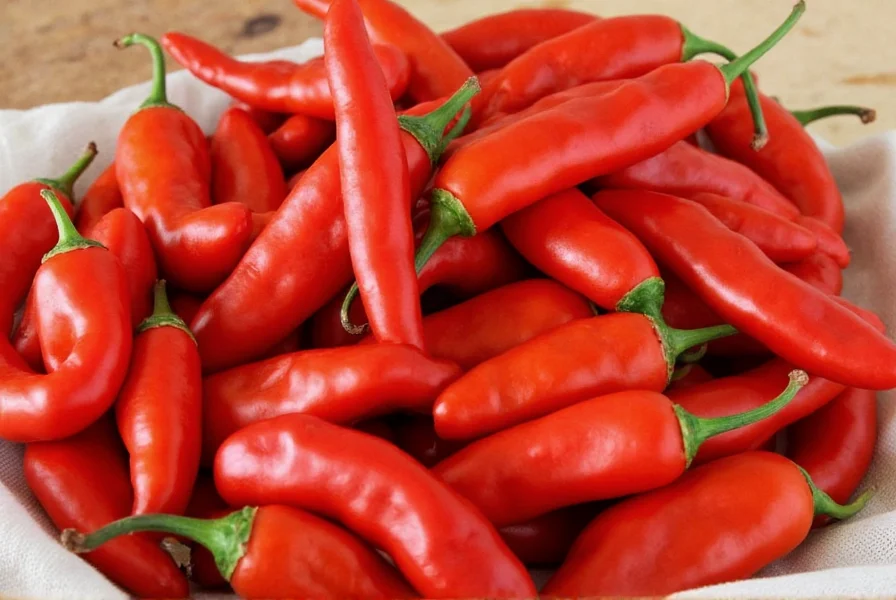
There are several varieties of the Mexican hottest pepper, each with its own unique characteristics. Some of the most popular ones include:
- Cubanelle Pepper: Milder than others, this pepper is great for adding a hint of heat without overwhelming the dish.
- Jalapeño Pepper: A classic, jalapeños are commonly used in salsas, tacos, and more.
- Serrano Pepper: Slightly hotter than jalapeños, these are perfect for making spicy sauces.
- Chipotle Pepper: Smoked and dried, chipotles add a smoky, earthy heat to dishes.
While the Mexican hottest pepper is known for its heat, it also offers a rich, complex flavor that can elevate any dish. Whether you’re using it fresh, dried, or in powder form, there are countless ways to enjoy it.
Cooking Tips with the Mexican Hottest Pepper
Using the Mexican hottest pepper in your cooking can be a game-changer, but it does require some care. Here are a few tips to help you make the most of this powerful pepper:
- Start Small: Even a small amount of the Mexican hottest pepper can add significant heat. Begin with a tiny piece and adjust as needed.
- Wear Gloves: Capsaicin can cause skin irritation, so always wear gloves when handling this pepper.
- Use in Moderation: While the heat is intense, the flavor is equally important. Use it to complement other ingredients rather than overpower them.
- Pair with Cool Ingredients: Balance the heat by pairing it with cool, creamy, or acidic elements like yogurt, lime, or avocado.
- Experiment with Forms: Try using it fresh, roasted, or in powdered form to discover different flavors and heat levels.
With a little practice, you’ll be able to harness the power of the Mexican hottest pepper and create unforgettable dishes that pack a real punch.
Buying Guide: How to Choose the Best Mexican Hottest Pepper
If you're looking to buy the Mexican hottest pepper, there are several factors to consider. Here’s a detailed guide to help you choose the best option for your needs:
Types of Mexican Hottest Pepper
There are several types of Mexican hottest pepper available, including fresh, dried, and powdered forms. Each has its own advantages depending on how you plan to use it.
- Fresh: Fresh peppers offer the most vibrant flavor and heat, but they have a shorter shelf life.
- Dried: Dried peppers are more concentrated in flavor and can be rehydrated for use in stews or sauces.
- Powdered: Ground pepper is convenient for seasoning dishes, but it can lose some of its potency over time.
Key Features to Look For
When choosing the Mexican hottest pepper, look for the following features:
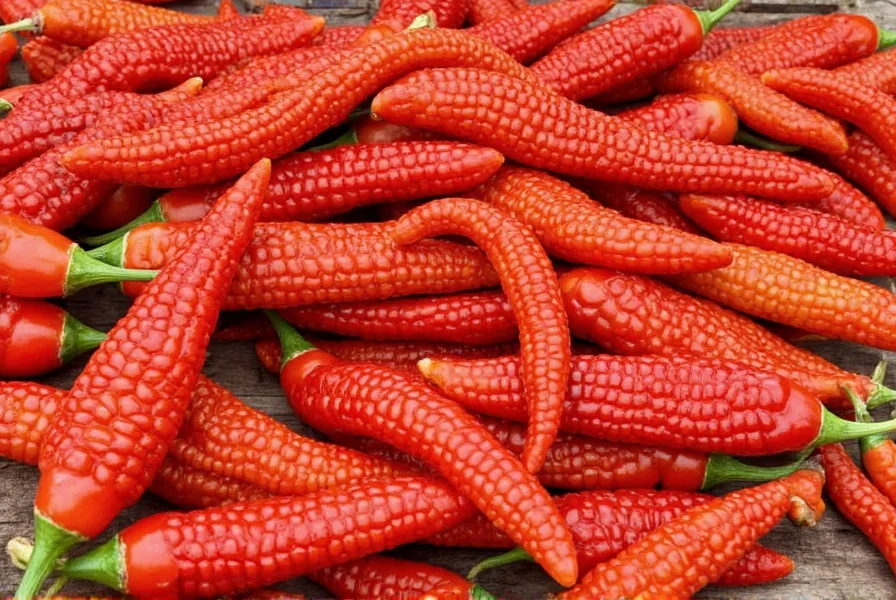
- Quality: High-quality peppers should be firm, shiny, and free from blemishes.
- Heat Level: Check the Scoville rating to ensure it meets your desired level of heat.
- Origin: Peppers from Mexico are often considered the most authentic and flavorful.
- Storage: Choose a product that offers good storage options, such as sealed packaging or vacuum-sealed bags.
Best Uses and Target Audience
The Mexican hottest pepper is ideal for:
- Spicy Dishes: Great for adding heat to salsas, soups, and grilled meats.
- Cooking Enthusiasts: Perfect for those who love experimenting with bold flavors.
- Chefs and Producers: Useful for creating signature dishes or artisanal products.
- Home Cooks: A fun and exciting way to bring more heat into everyday meals.
Whether you're a professional chef or just starting out in the kitchen, the Mexican hottest pepper is a versatile and powerful ingredient that can take your cooking to the next level.
Conclusion
The Mexican hottest pepper is more than just a spicy ingredient—it's a symbol of flavor, tradition, and passion. From its intense heat to its rich taste, this pepper has something to offer everyone, whether you're a seasoned cook or an adventurous foodie. With the right techniques and a bit of caution, you can unlock its full potential and enjoy all the heat and flavor it has to offer. So go ahead, grab a fresh Mexican hottest pepper, and let the heat begin!
The Mexican hottest pepper is a must-have for anyone who wants to add a serious kick to their cooking. Whether you're making a spicy salsa, a fiery chili, or a smoky sauce, this pepper will deliver the heat you crave and the flavor you'll love.




 浙公网安备
33010002000092号
浙公网安备
33010002000092号 浙B2-20120091-4