
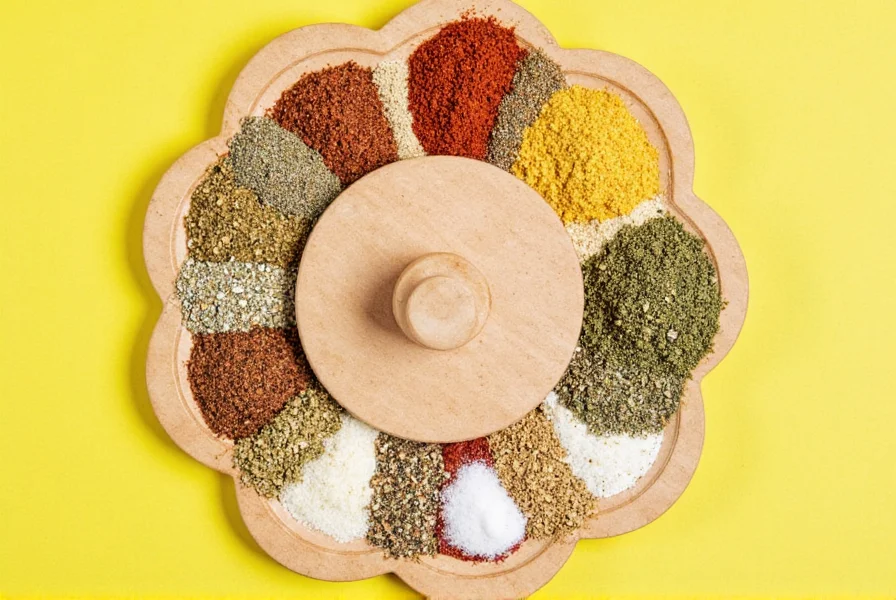
The Ultimate Guide to Seasoning Packs: From Kitchen Essentials to Flavor Powerhouses
Table of Contents
Introduction to Seasoning Packs
Seasoning packs are a game-changer in the world of cooking. Whether you're a seasoned chef or just starting out, these handy blends can elevate your dishes from good to unforgettable. A seasoning pack is essentially a pre-mixed combination of herbs, spices, and sometimes salt or sugar, designed to add flavor with minimal effort. They come in various forms—some are simple, others complex, and each has its own unique purpose.
Imagine being able to create a perfectly seasoned dish without having to measure out each ingredient individually. That's the magic of seasoning packs. They save time, reduce waste, and help maintain consistency in your recipes. Plus, they’re great for experimenting with new flavors without committing to a full spice cabinet.
Why Seasoning Packs Matter in the Kitchen
Seasoning packs are more than just convenience—they're a tool that empowers both home cooks and professionals. Here’s why they matter:
- Time-Saving: No need to rummage through your spice rack every time you cook. Just grab a pack and go.
- Consistency: Pre-measured blends ensure your dishes have the same flavor every time.
- Versatility: Many seasoning packs can be used across multiple dishes, from grilled meats to roasted vegetables.
- Flavor Enhancement: High-quality seasoning packs are crafted to bring out the best in your ingredients.
Types of Seasoning Packs You Should Know About
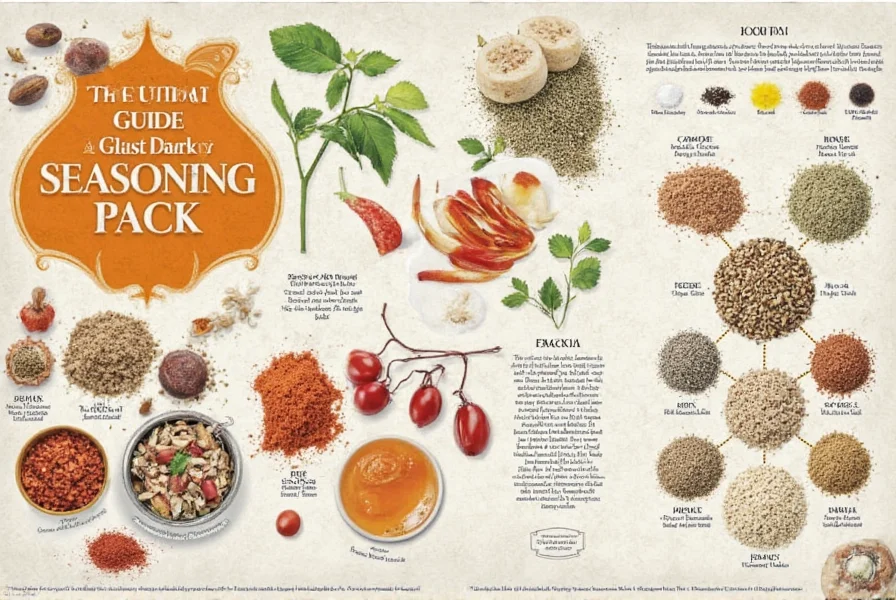
There are countless types of seasoning packs available, each tailored for specific cuisines or cooking styles. Here are some of the most popular ones:
| Type of Seasoning Pack | Description | Best For |
|---|---|---|
| Cajun Seasoning | A spicy blend of paprika, garlic, onion, and cayenne pepper. | Grilled chicken, shrimp, and vegetables. |
| Mexican Seasoning | Combines chili powder, cumin, oregano, and garlic. | Beef tacos, enchiladas, and fajitas. |
| Italian Seasoning | Features basil, oregano, thyme, and rosemary. | Pasta sauces, soups, and roasted meats. |
| Barbecue Rubs | Includes brown sugar, smoked paprika, and chili powder. | BBQ ribs, pulled pork, and grilled burgers. |
| Curry Mixes | Can vary widely but often includes turmeric, cumin, coriander, and ginger. | Indian curries, rice dishes, and stews. |
How to Use Seasoning Packs Effectively
Using seasoning packs doesn’t have to be complicated. Follow these tips to get the most out of them:
- Read the Label: Each seasoning pack has its own recommended usage. Some are for marinating, others for finishing touches.
- Start Small: It’s easy to over-season, so begin with a small amount and adjust as needed.
- Combine with Other Spices: Don’t be afraid to mix different seasoning packs for a custom flavor profile.
- Store Properly: Keep seasoning packs in a cool, dry place away from direct sunlight to preserve their potency.
Buying Guide for Seasoning Packs
When choosing seasoning packs, it's important to consider quality, versatility, and your personal taste preferences. Here’s what to look for:
- Ingredients: Look for natural, high-quality ingredients without excessive fillers or artificial additives.
- Brand Reputation: Choose well-known brands with positive reviews and a track record of producing flavorful blends.
- Usage: Consider how often you’ll use the seasoning pack. If you cook frequently, opt for a versatile blend like Italian or Mexican seasoning.
- Shelf Life: Check the expiration date to ensure the seasoning remains fresh and potent.
Expanding on the seasoning packs: Seasoning packs are not just convenient; they're a powerful way to enhance your cooking without the hassle of measuring individual spices. Whether you're grilling, roasting, or sautéing, there's a seasoning pack that fits your needs.
Top 5 Seasoning Pack Products to Try
Here are five highly rated seasoning packs that every kitchen should have:
- McCormick Gourmet Italian Seasoning
- Features: A mix of basil, oregano, thyme, and rosemary.
- Advantages: Adds depth and authenticity to Italian dishes.
- Use Cases: Pasta, soups, and roasted vegetables.
- Target Audience: Home cooks who enjoy Italian cuisine.
- Suitable Occasions: Weeknight dinners, family meals, and dinner parties.
- Lawry’s Seasoned Salt
- Features: A classic blend of salt, garlic, onion, and paprika.
- Advantages: Adds bold flavor without overwhelming other ingredients.
- Use Cases: Grilled meats, potatoes, and popcorn.
- Target Audience: Those who love bold, savory flavors.
- Suitable Occasions: BBQs, casual gatherings, and movie nights.
- Penzeys Spices All-Purpose Seasoning
- Features: A balanced mix of salt, black pepper, garlic, and onion.
- Advantages: Versatile and ideal for everyday cooking.
- Use Cases: Soups, stews, and roasted meats.
- Target Audience: Busy individuals looking for quick, flavorful meals.
- Suitable Occasions: Weekday dinners and family meals.
- Trader Joe’s Smoky Paprika & Cumin
- Features: A smoky blend with paprika, cumin, and garlic.
- Advantages: Adds a rich, earthy flavor to dishes.
- Use Cases: Grilled vegetables, beans, and dips.
- Target Audience: Fans of bold, smoky flavors.
- Suitable Occasions: Summer barbecues and casual meals.
- Simply Organic Garlic & Herb Seasoning
- Features: A blend of garlic, parsley, thyme, and rosemary.
- Advantages: Fresh, organic ingredients for a clean, natural flavor.
- Use Cases: Roasted chicken, fish, and vegetable dishes.
- Target Audience: Health-conscious cooks who prefer organic options.
- Suitable Occasions: Everyday meals and special occasions.
Conclusion
Seasoning packs are an essential tool in any kitchen, offering convenience, consistency, and flavor. Whether you're a professional chef or a home cook, understanding the different types, how to use them, and where to buy the best ones can make all the difference in your cooking experience. With the right seasoning pack, you can transform even the simplest ingredients into something truly delicious.
So next time you're in the grocery store, don't forget to pick up a few seasoning packs. They might just become your new favorite kitchen staples.




 浙公网安备
33010002000092号
浙公网安备
33010002000092号 浙B2-20120091-4