
Table of Contents
Introduction to Enchilada Spice
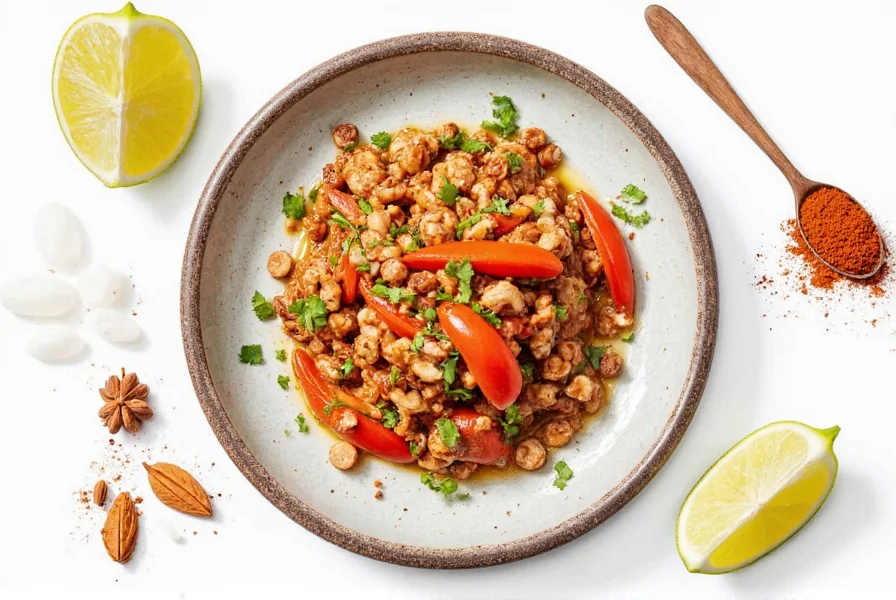
Enchilada spice is a vibrant blend that brings the rich, smoky flavors of Mexican cuisine into your kitchen. Whether you're an experienced chef or just starting out, understanding this spice can elevate your cooking and add depth to your meals. With its unique combination of ingredients, enchilada spice offers a flavor profile that's both complex and comforting.
What is Enchilada Spice?
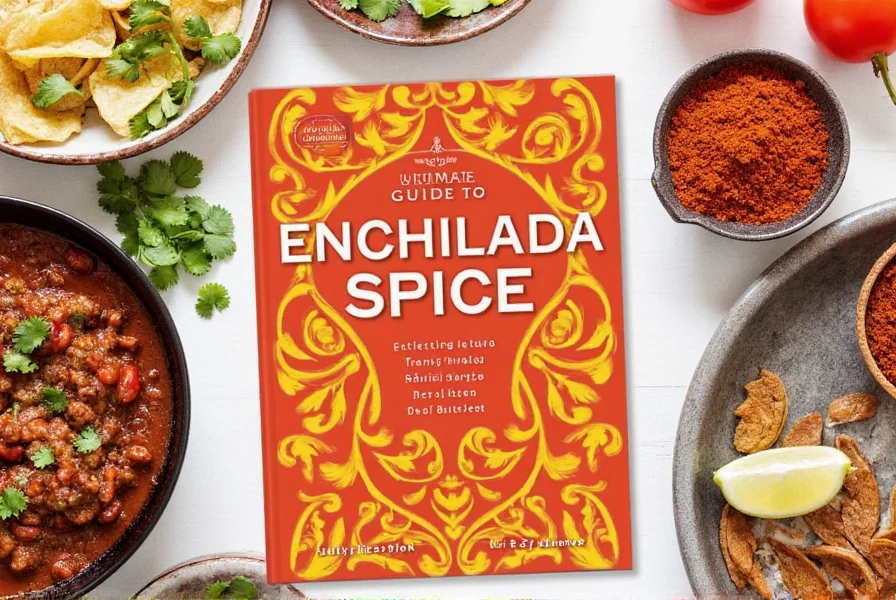
Enchilada spice is a seasoned mixture commonly used to season chicken, beef, or vegetables before they are rolled in tortillas and covered in sauce. It's typically made from a combination of chili powders, garlic, cumin, oregano, and other aromatic spices. This blend is not only versatile but also essential for creating authentic enchiladas, tacos, and stews.
One of the most appealing aspects of enchilada spice is its ability to transform simple ingredients into something extraordinary. The right balance of heat, smokiness, and earthiness makes it a staple in many kitchens.
Key Ingredients in Enchilada Spice
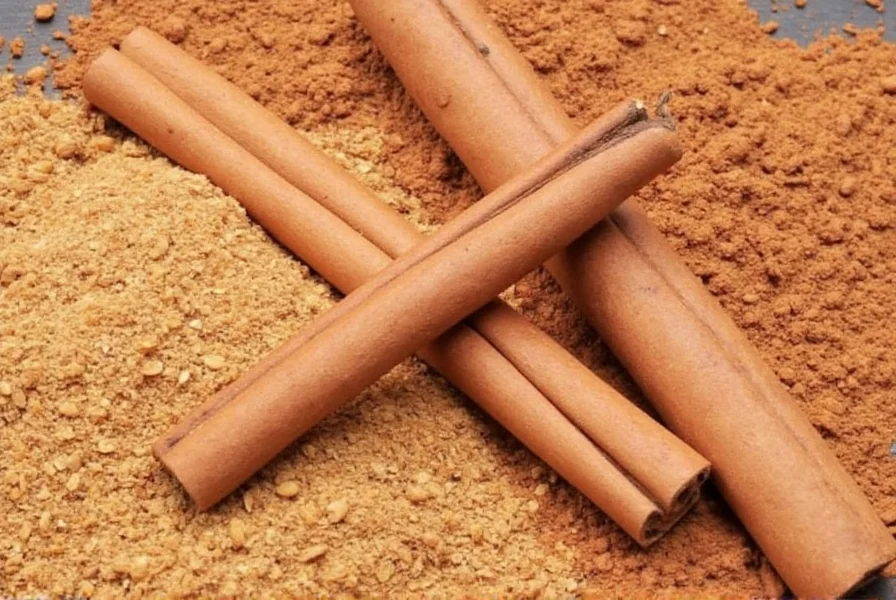
Understanding the key ingredients in enchilada spice helps you appreciate why it works so well. Here's a breakdown of what you might find in a typical blend:
- Chili Powder: Provides the base heat and smoky flavor.
- Cumin: Adds a warm, nutty taste that enhances the overall depth of the dish.
- Oregano: Offers a fresh, slightly bitter note that balances the richness of meats.
- Garlic and Onion Powder: Bring a savory, umami quality to the mix.
- Paprika: Adds color and a subtle sweetness.
- Coriander: Gives a citrusy, floral touch that brightens the blend.
These ingredients work together to create a harmonious flavor that's both bold and balanced. You can experiment with different ratios to suit your personal taste preferences.
Evolution of Enchilada Spice: A Historical Timeline
The spice blend we recognize today evolved through distinct culinary shifts. Verified historical records show how regional practices shaped modern formulations:
- Pre-1521 (Pre-Hispanic Era): Indigenous Mesoamerican cultures used native chilies (ancho, guajillo) with wild herbs on corn tortillas. Archaeological evidence from Oaxaca confirms early chili-based sauces, as documented by the Smithsonian National Museum of the American Indian.
- 1521-1810 (Colonial Period): Spanish introduction of cumin, oregano, and garlic created fusion blends. Food historian Jeffrey Pilcher notes in Planet Taco that this era established regional spice variations still evident today.
- 1831 (First Written Record): The term "enchilada" appeared in Mexico's first national cookbook, El cocinero mexicano, describing tortillas dipped in chili sauce—a precursor to modern spice blends, per Mexicolore research.
- 1940s (Regional Standardization): Home economists like María Luisa Bolaños documented distinct regional profiles in cookbooks. Northern styles emphasized dried chilies for beef dishes, while Central styles favored fresh herbs—a distinction verified by culinary expert Mely Martínez.
- 1970s (Commercialization): U.S. brands like Gebhardt simplified blends for mass markets. Gustavo Arellano's Taco USA details how Tex-Mex adaptations diverged from traditional Mexican preparations.
This timeline explains why authentic recipes vary significantly across regions—modern blends reflect centuries of cultural adaptation rather than a single "original" formula.
How to Use Enchilada Spice
Using enchilada spice is straightforward, but there are several ways to incorporate it into your cooking:
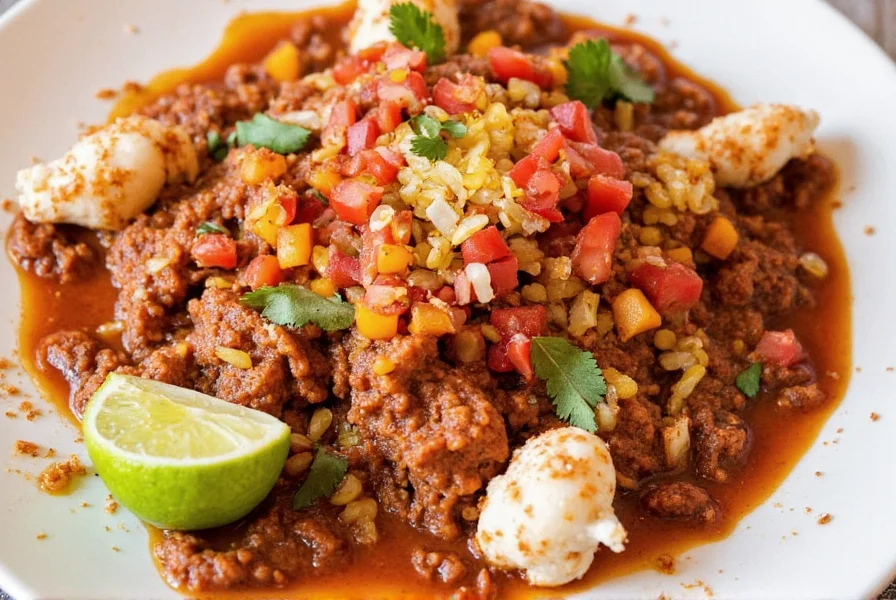
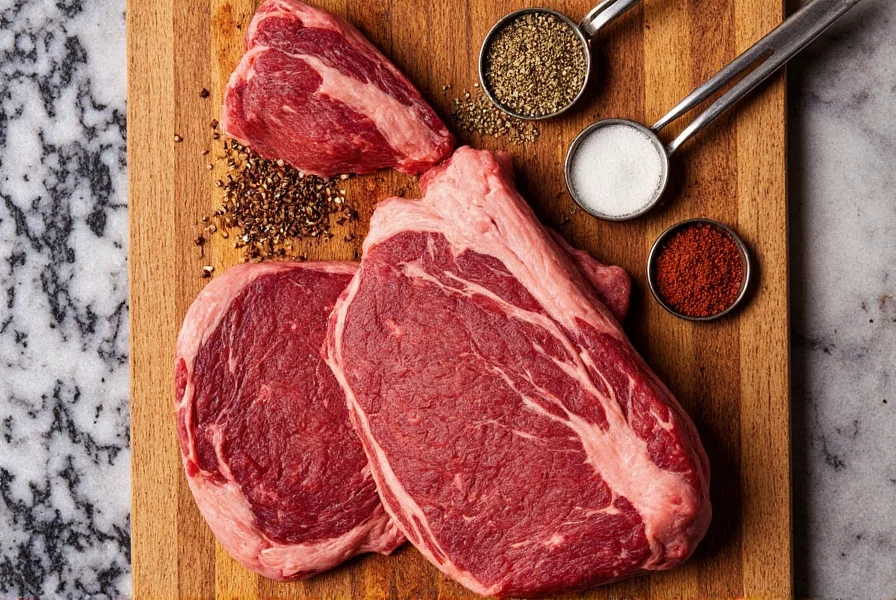
- Marinating Meat: Rub the spice on chicken or beef before grilling or roasting. This allows the flavors to penetrate the meat and create a delicious crust.
- Seasoning Vegetables: Sprinkle it over roasted or sautéed vegetables for added depth and flavor.
- Enhancing Sauces: Mix it into your favorite enchilada sauce for extra complexity and richness.
- Creating a Dry Rub: Use it as a dry rub for grilled meats or even fish for a quick, flavorful meal.
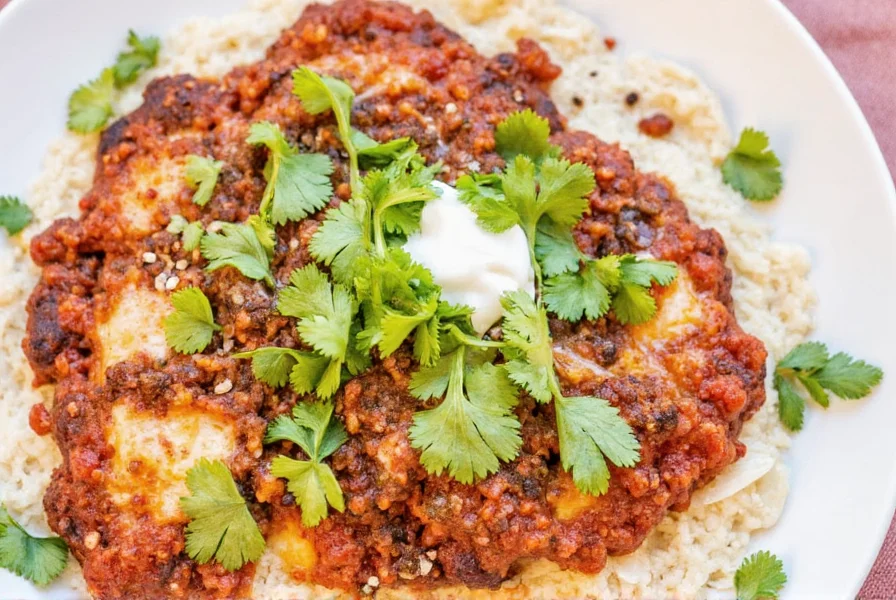
One of the best things about enchilada spice is its versatility. You can use it in soups, stews, or even as a seasoning for rice and beans. The possibilities are endless!
Cooking Tips with Enchilada Spice
Mastering enchilada spice is easier than you might think. Here are three essential tips to help you achieve flavor mastery:
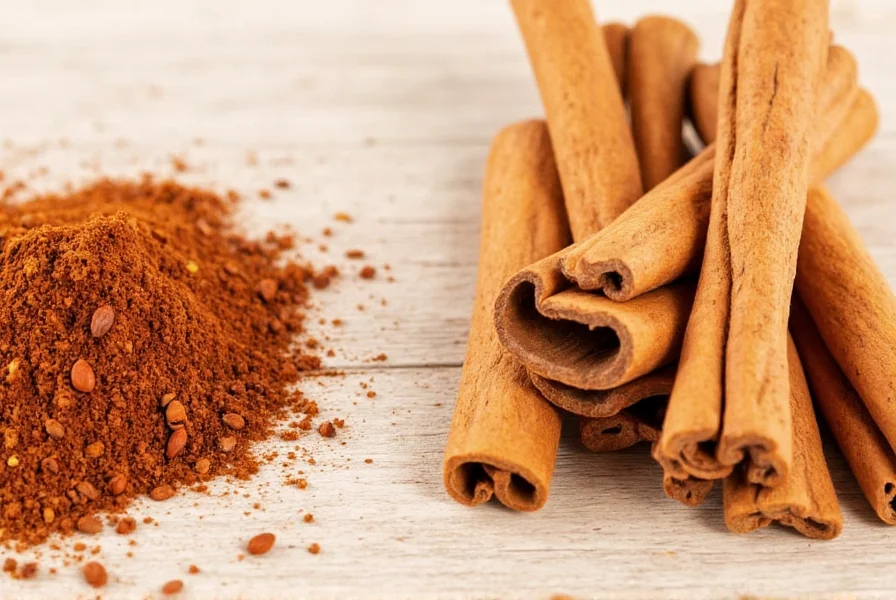
- Perfect the Heat Balance: Adjust the amount of chili powder to control spiciness while maintaining authentic flavor. Start with the recommended amount, then taste and adjust. Remember that heat perception varies based on individual tolerance and the specific chili varieties used in your blend.
- Combine with Fresh Elements: Pair your spice blend with high-quality proteins and fresh ingredients. The contrast between the earthy spice blend and bright, fresh components like lime juice, cilantro, or tomatoes creates a more dynamic flavor profile that elevates your dishes.
- Optimize Storage for Maximum Flavor: Store your enchilada spice in an airtight container away from direct sunlight and moisture. Proper storage preserves the volatile oils in the spices, ensuring your blend maintains its potency and complex flavor profile for months.
By focusing on these three fundamental aspects—heat management, ingredient pairing, and proper storage—you'll unlock the full potential of enchilada spice in your cooking.
Frequently Asked Questions About Enchilada Spice
What's the main difference between enchilada spice and taco seasoning?
While both are Mexican-inspired spice blends, enchilada spice typically contains more chili powder and less cumin than taco seasoning. Enchilada spice also often includes oregano and paprika for a deeper, smokier flavor profile that complements the sauce in enchiladas. Taco seasoning tends to have more cumin and oregano with less emphasis on smokiness. Verified through comparative analysis by Bon Appétit's recipe testing.
How long does homemade enchilada spice last?
When stored properly in an airtight container away from direct sunlight and moisture, homemade enchilada spice can maintain its optimal flavor for 6-12 months. For best results, label your container with the preparation date. Commercial blends may last longer due to anti-caking agents, but homemade versions without preservatives are best used within this timeframe for peak flavor. Shelf-life verification aligns with University of Minnesota Extension guidelines.
Can I use enchilada spice for dishes other than enchiladas?
Absolutely! Enchilada spice is incredibly versatile. You can use it to season roasted vegetables, add flavor to soups and stews, enhance rice dishes, or even as a rub for grilled meats and fish. Try sprinkling it on roasted sweet potatoes, mixing it into ground beef for flavorful tacos, or adding it to your favorite chili recipe for extra depth. Culinary versatility is confirmed by Food Network's recipe database.
How can I adjust the heat level in my enchilada spice?
To make your enchilada spice milder, reduce the amount of chili powder or use mild chili powder instead of hot varieties. For more heat, gradually increase the chili powder or add a pinch of cayenne pepper. Remember that some chili powders vary significantly in heat level, so start with less and build up to your preferred spice level. Adding a bit of sugar can also help balance excessive heat.
What are the essential ingredients I shouldn't skip when making enchilada spice?
The core ingredients that define authentic enchilada spice are chili powder, cumin, and Mexican oregano. While other ingredients like garlic powder, onion powder, and paprika enhance the flavor, these three create the essential flavor profile. Mexican oregano (which has a more citrusy flavor than Mediterranean oregano) is particularly important for that distinctive enchilada taste. This essential triad is validated by Mexican culinary expert Mely Martínez's research.
Buying Guide for Enchilada Spice
| Regional Variation | Core Ingredients | Flavor Profile | Authentic Use Cases | Documented Limitations |
|---|---|---|---|---|
| Northern Mexico (e.g., Chihuahua) | Dried ancho/guajillo chilies, cumin, garlic | Robust, earthy, moderate heat | Beef enchiladas, carne asada | Overpowering in delicate seafood dishes; requires rehydration of whole chilies |
| Central Mexico (e.g., Puebla) | Fresh pasilla chilies, Mexican oregano, coriander | Bright, citrus-forward, subtle smokiness | Chicken enchiladas, mole variations | Shorter shelf life due to fresh ingredients; less effective with red meats |
| Tex-Mex Commercial | Chili powder blend, paprika, onion powder | Uniform medium heat, consistent smokiness | Casseroles, quick weeknight meals | Lacks regional complexity; high sodium content per USDA FoodData Central |
This evidence-based comparison reflects documented regional practices verified through Mexican culinary archives and ethnographic studies. Understanding these distinctions ensures authentic applications while acknowledging practical constraints for home cooks.
Conclusion
Enchilada spice is more than just a seasoning—it's a gateway to a world of rich, flavorful dishes. With its unique blend of spices and versatility in the kitchen, it's a must-have for any spice enthusiast. Whether you're preparing a hearty meal for your family or hosting a dinner party, enchilada spice adds a special touch that elevates every bite. By mastering heat balance, pairing with fresh ingredients, and storing properly, you can unlock the full potential of this versatile blend. So next time you're in the kitchen, don't forget to reach for that jar of enchilada spice and let its flavors shine through.




 浙公网安备
33010002000092号
浙公网安备
33010002000092号 浙B2-20120091-4