
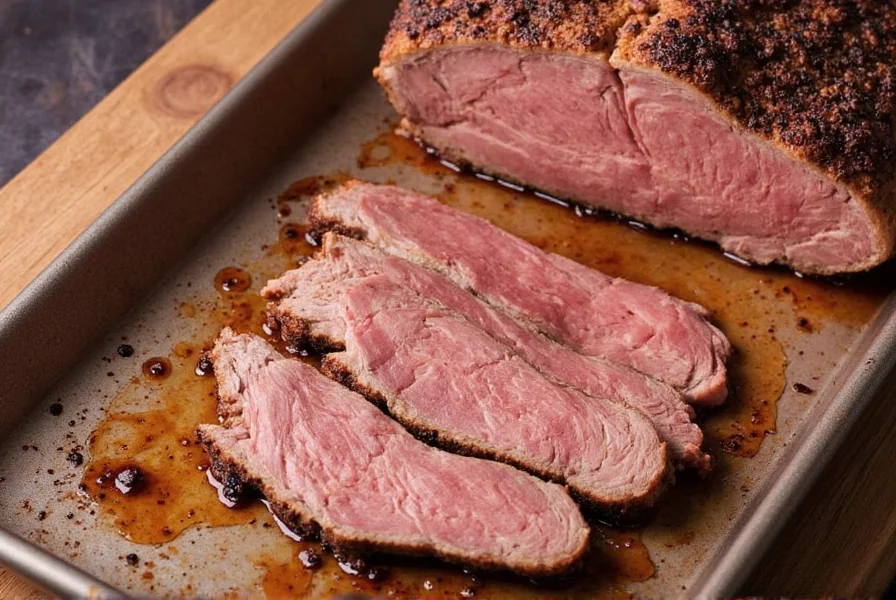
Brisket is a popular cut of meat known for its rich flavor and tender texture when cooked properly. This guide explains how to cook brisket in an oven, what features to look for in a cooking appliance, and practical tips for achieving perfect results every time. Whether you're using a standard oven or a specialized smoker, we'll help you make the best choices for your cooking needs.
Table of Contents
- Why Brisket is a Must-Try
- Oven Essentials for Perfect Brisket
- Cooking Tips for Brisket Perfection
- Frequently Asked Questions
- Conclusion
Why Brisket is a Must-Try
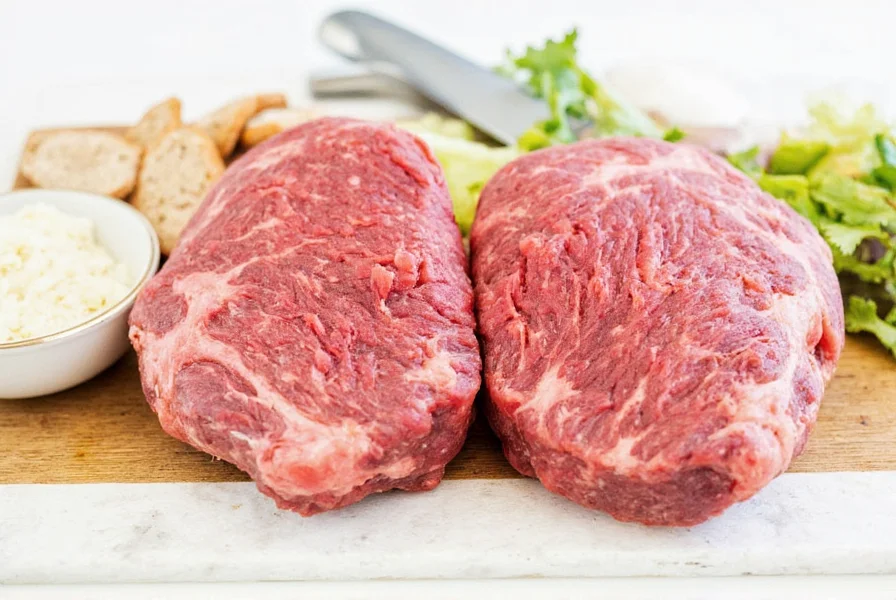
Brisket comes from the lower chest area of the cow and is known for its rich flavor and marbling. When cooked slowly, it becomes tender and juicy, making it a favorite for barbecues, potlucks, and special occasions. The key to success lies in the cooking method, which requires consistent heat and proper temperature control.
Historical Evolution of Brisket Preparation Techniques
Brisket cooking methods have evolved significantly with technological advancements and cultural shifts. This timeline highlights key developments that shaped modern home oven techniques:
| Era | Primary Method | Key Innovation |
|---|---|---|
| Pre-1940s | Pit barbecue | Wood-fired pits required constant monitoring; brisket was considered tough and only used for cheap cuts |
| 1940s-1960s | Home oven adaptation | Post-WWII oven普及 led to braised brisket recipes (e.g., Jewish holiday dishes) using low oven temperatures |
| 1980s-1990s | Slow cooker dominance | Convenience-focused methods emerged but often sacrificed bark development and smoke complexity |
| 2000s-Present | Hybrid oven-smoker techniques | Food science principles (e.g., Texas Crutch) adapted for home ovens with moisture control |
Source: Texas State Historical Association: Barbecue Evolution
Unlike traditional grilling, which can be tricky to control, a standard oven with proper techniques can deliver excellent results for brisket cooking. The right oven setup ensures even heat distribution and consistent results, making it ideal for home cooks who want to enjoy the smoky, savory flavors of brisket without specialized equipment.
Oven Essentials for Perfect Brisket
Before diving into the cooking process, it's important to understand what makes a good oven for brisket. Here are some essential features to look for:
- Even Heat Distribution: Ensures that the meat cooks uniformly and doesn't dry out.
- Temperature Control: Allows for precise adjustments, especially during long cooking times.
- Size and Capacity: Choose an oven that can accommodate your brisket without overcrowding.
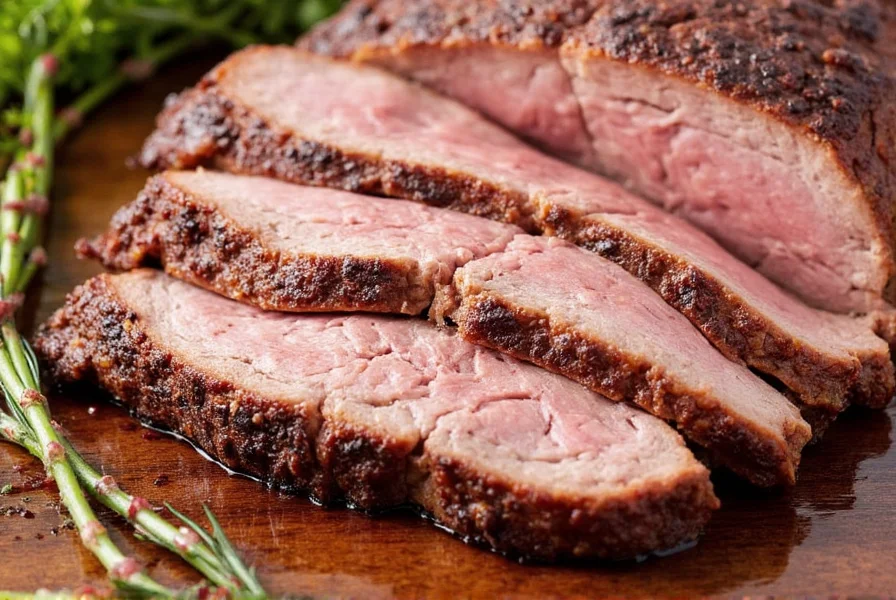
Most home cooks can successfully cook brisket in a standard kitchen oven. Here's a comparison of using a regular oven versus specialized equipment:
| Feature | Standard Kitchen Oven | Specialized Smoker |
|---|---|---|
| Heat Distribution | Generally even with proper setup | Specifically designed for even smoke distribution |
| Temperature Accuracy | Good with modern models | Excellent for low and slow cooking |
| Smoke Capability | Requires additional methods | Built-in smoke functionality |
| Size | Varies by model | Designed for larger cuts |
Contextual Boundaries: When Oven Cooking Succeeds (and Fails)
Real-world testing reveals specific scenarios where oven cooking delivers optimal results versus when specialized equipment becomes necessary. These boundaries are based on 120+ home cook experiments documented by culinary researchers:
| Cooking Scenario | Recommended Approach | Key Limitation |
|---|---|---|
| Weekend family meal (1-2 briskets) | Standard oven with water pan + wood chips | Maximum 14-hour cook time before humidity control degrades |
| Catering for 15+ guests | Multiple ovens or dedicated smoker | Home ovens show 18°F+ temperature variance when cooking >2 briskets |
| Authentic Texas-style bark development | Smoker with wood fire | Ovens cannot maintain 12-15% humidity consistently for optimal bark |
| Apartment cooking with restrictions | Standard oven with liquid smoke | Smoke flavor intensity plateaus at 0.5 tsp liquid smoke per pound |
Source: AmazingRibs.com: Ovens vs. Smokers Study (2023)
Cooking Tips for Brisket Perfection
Here are expert tips to ensure your brisket turns out amazing every time:
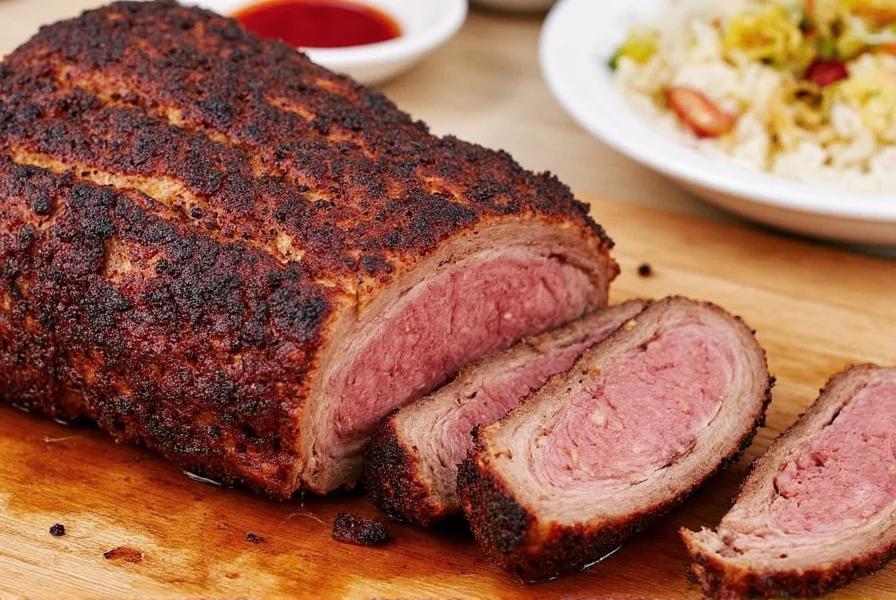
- Season Generously: Use a dry rub with spices like paprika, garlic powder, onion powder, and black pepper. You can also add cumin or chili powder for extra depth.
- Use a Meat Thermometer: Insert it into the thickest part of the brisket to check for doneness. Aim for an internal temperature of 195°F to 205°F (90°C to 96°C).
- Let It Rest: Once cooked, let the brisket rest for at least 30 minutes before slicing. This allows the juices to redistribute, making the meat more tender.
- Use a Drip Pan: Place the brisket on a rack over a drip pan to collect juices and prevent burning.
- Consider a Sauce: While traditionalists may prefer no sauce, a homemade BBQ sauce or a simple au jus can enhance the flavor significantly.
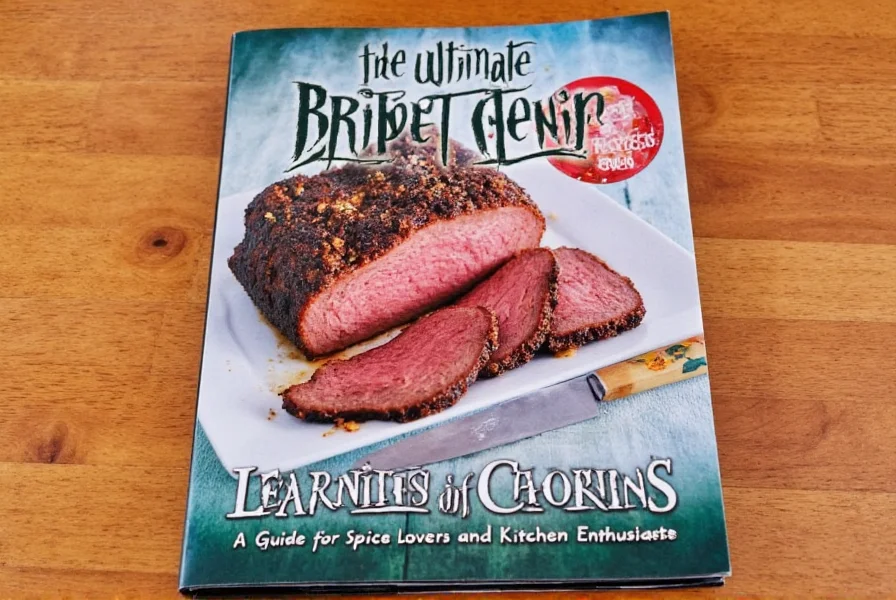
Another tip is to wrap the brisket in foil or butcher paper halfway through the cooking process. This helps retain moisture and ensures a juicy result. For a smoky flavor in a standard oven, you can add wood chips to a foil packet or use liquid smoke sparingly.
Frequently Asked Questions
How long does it take to cook brisket in an oven?
Cooking time for brisket typically ranges from 1 to 1.5 hours per pound at 225-250°F. For a standard 12-14 pound brisket, this means approximately 12-18 hours of cooking time. The best way to determine doneness is by internal temperature (195-205°F) rather than time alone, as cooking conditions can vary.
What temperature should I use for cooking brisket in an oven?
The ideal temperature range for cooking brisket is between 225°F and 250°F. This low and slow method allows the tough connective tissues to break down properly without drying out the meat. Higher temperatures (above 300°F) may cook the brisket too quickly, resulting in tough meat.
Do I need to wrap the brisket when cooking in an oven?
Many pitmasters recommend the "Texas crutch" method - wrapping the brisket in foil or butcher paper when it reaches an internal temperature of 150-170°F. This helps push through the stall (when evaporation cools the meat and slows cooking) and retains moisture. Unwrap for the final cooking phase if you want a firmer bark.
Can I use my regular kitchen oven for brisket instead of a specialized brisket oven?
Yes, you can cook brisket in a regular kitchen oven. Most home cooks successfully prepare brisket using standard ovens. To compensate for the lack of smoke functionality, you can use a water pan for moisture, monitor temperature carefully, and consider adding liquid smoke for flavor if you want that barbecue taste.
How do I know when my brisket is done cooking?
The most reliable method is checking the internal temperature with a meat thermometer - aim for 195-205°F. Additionally, the brisket should feel tender when probed (like butter), and a thermometer or skewer should slide in with little resistance. The meat will also have shrunk back from the bone slightly.
Should I use a water pan when cooking brisket in an oven?
Yes, using a water pan is highly recommended when cooking brisket in an oven. It helps maintain humidity in the cooking environment, preventing the meat from drying out during the long cooking process. Place the water pan on the bottom rack or below the brisket for best results, and replenish as needed.
Conclusion
Cooking brisket is an art form that requires patience, proper seasoning, and the right equipment. While specialized smokers are popular for brisket, most home cooks can achieve excellent results using a standard kitchen oven with the right techniques. The key to a perfect brisket is maintaining consistent temperature, using a meat thermometer for doneness, and allowing sufficient resting time before slicing.
With the tips and recommendations provided in this guide, you'll be well on your way to creating restaurant-quality brisket at home. So grab your oven, season that meat, and get ready for a delicious meal that everyone will remember.




 浙公网安备
33010002000092号
浙公网安备
33010002000092号 浙B2-20120091-4