
The Spicy Secret to Perfect St. Louis Ribs Smoke: A Flavor Lover's Guide
Table of Contents
- Introduction
- Spice Basics for St. Louis Ribs Smoke
- Practical Tips for Smoking St. Louis Ribs
- Buying Guide: Choosing the Right Spices and Tools
- Conclusion
Introduction
Smoking St. Louis ribs is more than just a cooking technique—it's an art form that combines patience, flavor, and a deep understanding of spices. Whether you're a seasoned pit master or a home cook looking to elevate your barbecue game, mastering the right spice blend can make all the difference in achieving that smoky, tender, and flavorful result.
Spice Basics for St. Louis Ribs Smoke
When it comes to St. Louis ribs, the key lies in the spice rub. Unlike other types of ribs, St. Louis style is cut from the pork belly and has a slightly sweeter, meatier profile. This makes it perfect for bold flavors that can stand up to the richness of the meat. Here are some essential spices and techniques to consider:
The Classic Rub
A traditional St. Louis ribs spice mix usually includes:
- Cayenne pepper
- Paprika
- Salt
- Pepper
- Garlic powder
- Onion powder
- Brown sugar (for a touch of sweetness)
These ingredients create a balance of heat, smokiness, and sweetness that complements the meat perfectly.
Heat Level Considerations
If you're new to smoking ribs, start with a mild blend and gradually increase the cayenne or chili powder as your palate adjusts. The goal is to enhance the natural flavor of the meat without overpowering it.
Smoke Flavor Profile
The type of wood you use for smoking also plays a big role. Hickory and applewood are popular choices, offering a rich, smoky depth that pairs well with the spice rub.
Practical Tips for Smoking St. Louis Ribs
Now that you understand the basics, here are some practical tips to help you achieve restaurant-quality results at home:
Tip 1: Choose the Right Ribs
Make sure you're using genuine St. Louis ribs, which are typically cut from the lower portion of the rib cage. They should be evenly trimmed and have a good amount of marbling for tenderness.
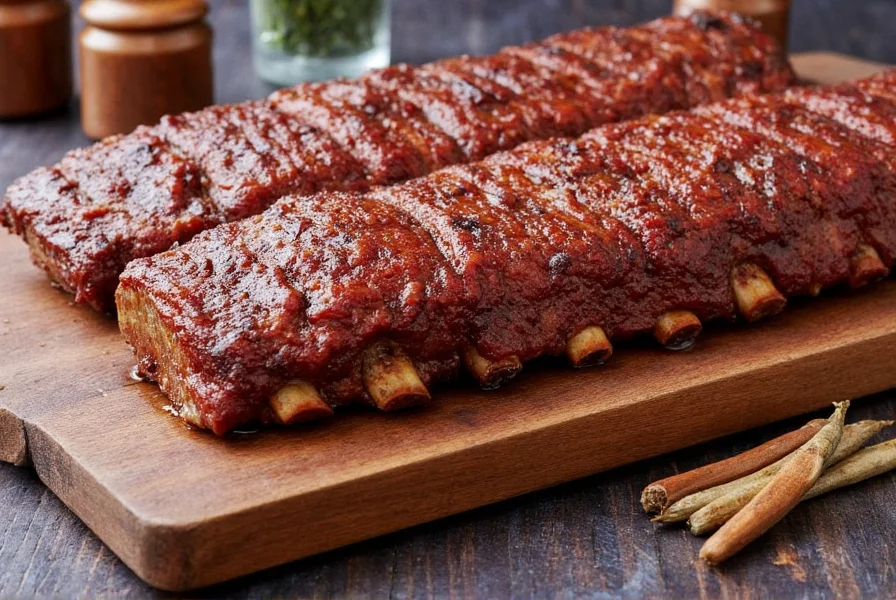
Tip 2: Prep the Ribs Properly
Before applying the spice rub, trim any excess fat and pat the ribs dry. This helps the seasoning stick better and ensures even cooking.
Tip 3: Apply the Rub Generously
Don't be shy with the rub. Apply a thick layer on both sides and let the ribs sit for at least an hour to allow the flavors to penetrate the meat.
Tip 4: Use a Smoker or Grill
While a dedicated smoker gives the best results, a charcoal grill with indirect heat can work just as well. Aim for a temperature of around 225°F (107°C) and maintain consistent heat throughout the cooking process.
Tip 5: Baste with Sauce
Once the ribs are about halfway cooked, baste them with your favorite barbecue sauce. This adds moisture and enhances the overall flavor.
Tip 6: Let Them Rest
After removing the ribs from the smoker, let them rest for 10–15 minutes before slicing. This allows the juices to redistribute, making the meat more tender and juicy.
Buying Guide: Choosing the Right Spices and Tools
Whether you're buying pre-made rubs or creating your own, selecting the right ingredients and tools is crucial. Here's what to look for:
Spice Blends
- Smokehouse Master Rub: A popular choice for its balanced mix of sweet, spicy, and smoky notes. Ideal for beginners and experienced cooks alike.
- Hot & Spicy BBQ Rub: For those who love a kick of heat. Contains higher amounts of cayenne and black pepper.
- Classic Sweet & Spicy Rub: Perfect for those who prefer a milder, more caramelized flavor.
Tools You Need
- Smoker or Grill: Essential for achieving that authentic smoky flavor.
- Meat Thermometer: Ensures the ribs reach the right internal temperature (around 190°F/88°C).
- Barbecue Sauce: Adds moisture and depth of flavor during the final stages of cooking.
- Rib Rack: Keeps the ribs off the direct heat and allows for even smoke penetration.
Who It’s For
These products are ideal for backyard chefs, barbecue enthusiasts, and anyone looking to take their cooking skills to the next level. Whether you're hosting a family gathering or just want to enjoy a delicious meal, the right tools and spices can make all the difference.
Conclusion
Mastering the art of smoking St. Louis ribs is all about understanding the balance of spice, smoke, and time. With the right rub, proper preparation, and a little bit of patience, you can create a dish that's both flavorful and unforgettable. Remember, the key to a great St. Louis ribs smoke isn’t just the ingredients—it's the care and attention you put into every step of the process.




 浙公网安备
33010002000092号
浙公网安备
33010002000092号 浙B2-20120091-4