
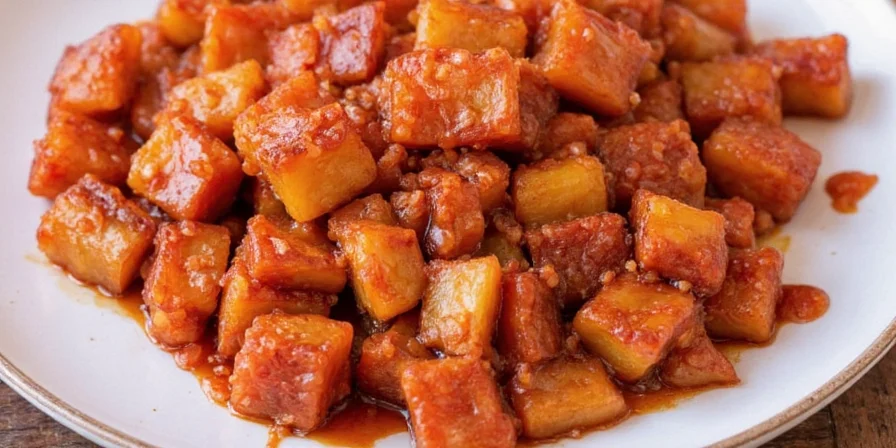
Looking for the best chicken enchilada seasoning recipe? Here's a simple homemade blend you can make in 5 minutes with 7 pantry staples—no specialty ingredients required. This recipe makes a superior seasoning to store-bought versions, costs less than $0.03 per ounce, and lets you control ingredients and spice level.
Quick Chicken Enchilada Seasoning Recipe (Makes ¼ cup)
- 2 tbsp pure ancho chili powder (not standard chili powder)
- 1 tbsp freshly ground cumin
- 1 tsp smoked paprika
- ½ tsp Mexican oregano
- ¼ tsp garlic powder
- ¼ tsp onion powder
- 1 tsp sea salt
Instructions: Whisk all ingredients in a bowl. Store in an airtight container for up to 4 months. Use 1-2 tablespoons per pound of chicken. Pro tip: Bloom the seasoning in 1 tbsp oil before applying for better flavor and adhesion.
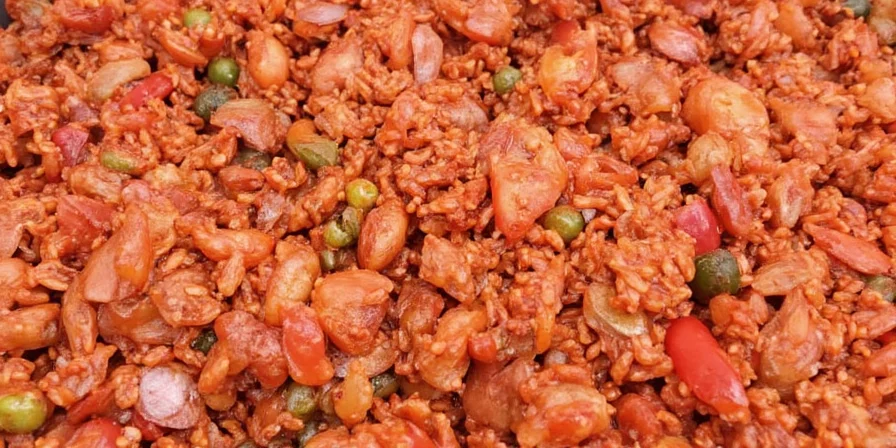
Why This Recipe Works Better Than Store-Bought
Most commercial blends contain fillers like maltodextrin and anti-caking agents. Our version uses only pure spices, giving you complete control over flavor intensity and ingredients. You'll save 80% compared to premium store brands while getting fresher, brighter flavors that actually enhance your dishes rather than overpower them.
What Chicken Enchilada Seasoning Really Is
This dry blend mimics traditional Mexican enchilada sauces made from rehydrated dried chilies. While authentic recipes use fresh chilies, this practical version delivers consistent flavor using pantry-friendly ingredients without sacrificing authenticity.
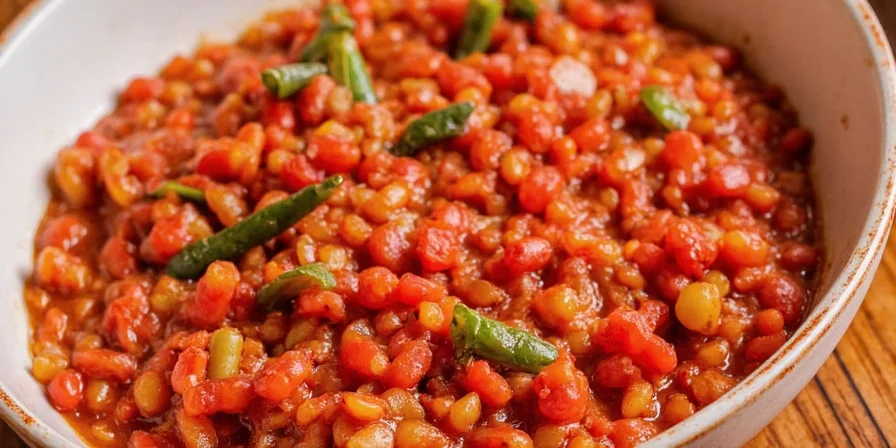
Key Spices and Simple Substitutions
Don't have Mexican oregano? Here's how to adapt with common ingredients:
- Mexican oregano substitute: Use ¾ tsp regular oregano + ¼ tsp marjoram
- Chili powder options: Ancho for mild, guajillo for medium, or add cayenne for heat
- Salt-free version: Replace salt with ½ tsp nutritional yeast + ¼ tsp celery seed
3 Most Common Mistakes (and Easy Fixes)
| Mistake | Why It Happens | Simple Fix |
|---|---|---|
| Using regular oregano | Lacks authentic citrus notes | Substitute with oregano + marjoram blend |
| Applying dry to chicken | Causes uneven coating and burning | Mix with oil or yogurt before application |
| Using pre-ground cumin | Flavor loses potency quickly | Grind whole seeds fresh for best results |
Pro Tips for Perfect Results Every Time
- For mild flavor: Replace 1 tsp chili powder with sweet paprika
- For extra depth: Add ¼ tsp cocoa powder (Oaxacan style)
- For quick meals: Mix 2 tbsp seasoning with 1 cup tomato sauce for instant enchilada sauce
- Storage tip: Keep in amber glass jar away from light for longest freshness
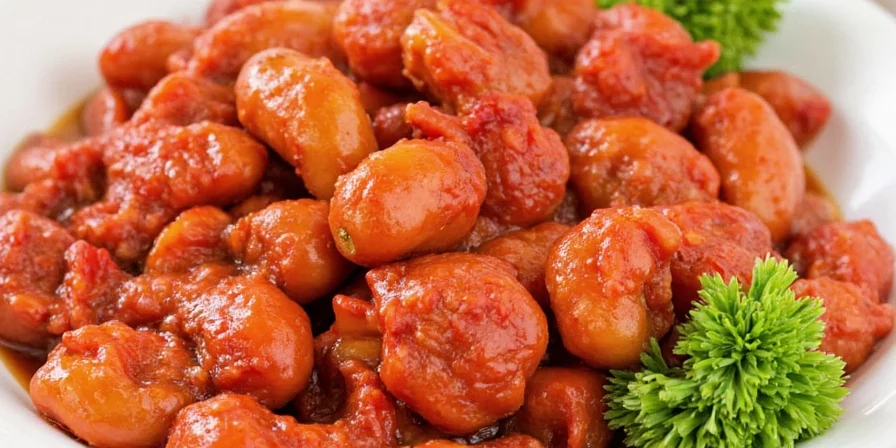
5 Delicious Ways to Use Your Seasoning
- Taco meat: 1 tbsp per pound of ground beef or turkey
- Rice seasoning: Add 1 tsp to rice cooking water
- Roasted vegetables: Toss with 1 tbsp and olive oil before roasting
- Popcorn: Sprinkle ½ tsp over freshly popped corn
- Breakfast potatoes: Mix with potatoes before roasting
Store-Bought vs. Homemade Comparison
| Feature | Store-Bought | Homemade |
|---|---|---|
| Cost per ounce | $0.15-$0.25 | $0.03 |
| Ingredients | Often contains fillers | 100% pure spices |
| Customization | None | Adjust to taste |
| Shelf life | 18-24 months | 4-6 months |
Frequently Asked Questions
How much seasoning should I use per pound of chicken?
Use 1-2 tablespoons per pound of chicken. For stronger flavor, apply after mixing with oil or yogurt.
Can I make this gluten-free?
Yes! Pure spice blends are naturally gluten-free. Just ensure all your spices are certified gluten-free if cross-contamination is a concern.
Why does my blend taste bitter?
Bitterness usually means spices were overheated. Toast at low temperatures (under 300°F) with constant stirring. If already bitter, add ¼ tsp honey to counteract.
How can I make it milder for kids?
Reduce chili powder by half and replace with sweet paprika. Add ¼ tsp sugar to balance flavors.
Can I use this for vegetarian dishes?
Absolutely! Use on roasted vegetables, tofu, or mushrooms. Add ¼ tsp mushroom powder for extra umami in plant-based dishes.
Ready to Try It?
This easy chicken enchilada seasoning takes just 5 minutes to make and works perfectly for weeknight dinners. The simple ingredient list uses common pantry staples, and you'll never go back to store-bought after tasting the fresher, brighter flavor. Save this recipe for your next taco night—you'll wonder why you didn't try homemade seasoning sooner!




 浙公网安备
33010002000092号
浙公网安备
33010002000092号 浙B2-20120091-4