
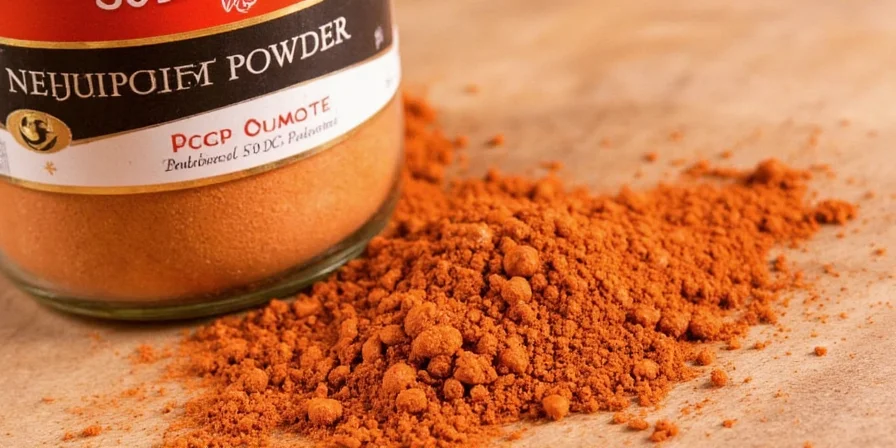
Unlock the Flavor: Mastering Gebhardt Chili Powder in Your Kitchen
If you're a fan of bold, smoky flavors with a kick, then you've probably already heard of Gebhardt Chili Powder. This legendary spice blend has been a staple in American kitchens since the early 20th century. But what makes it so special? Whether you're a seasoned pro or just starting your spice journey, this guide will help you unlock the full potential of Gebhardt Chili Powder—with a few laughs and some serious kitchen wisdom along the way.
Table of Contents
- A Little History: The Origins of Gebhardt Chili Powder
- Why Choose Gebhardt? What Makes It Different?
- 7 Pro Tips for Using Gebhardt Chili Powder Like a Chef
- Spice Hacks: Recipes That Love Gebhardt
- Storage Secrets: Keep It Fresh, Keep It Fierce
- Gebhardt vs. Other Chili Powders: A Visual Breakdown
- Conclusion: Spice Up Your Life with Gebhardt
A Little History: The Origins of Gebhardt Chili Powder
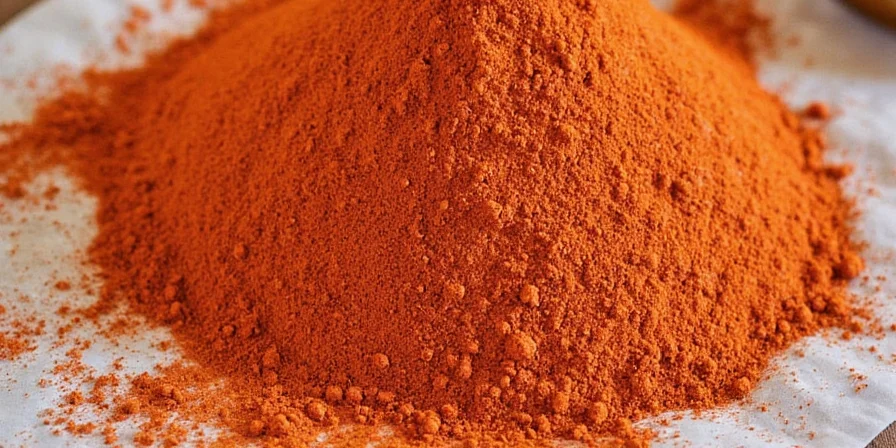
Let’s start with a fun fact: Gebhardt Chili Powder was one of the first commercially produced chili powders in the United States. Back in 1896, William Gebhardt, a German immigrant living in New Braunfels, Texas, opened a restaurant where he served his own chili con carne recipe. Realizing that fresh chili peppers were not always available, he created a powdered version using dried Mexican chilies, garlic, and spices—a move that would eventually change the face of American home cooking forever.
Why Choose Gebhardt? What Makes It Different?
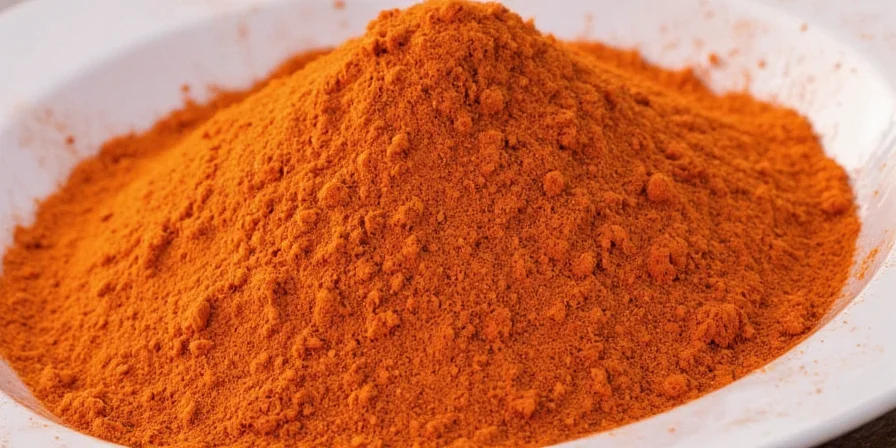
Gebhardt stands out because of its unique blend. Unlike many modern chili powders that are made from a single type of pepper (like ancho or cayenne), Gebhardt uses a proprietary mix of mild and spicy chilies, plus other flavor boosters like garlic powder, cumin, and oregano. It’s less about heat and more about depth—an earthy, slightly sweet, and savory experience that layers beautifully into all kinds of dishes.
7 Pro Tips for Using Gebhardt Chili Powder Like a Chef
- Bloom It First: Toast Gebhardt Chili Powder in oil before adding liquids. This enhances its flavor and reduces bitterness.
- Go Beyond Chili: Don’t limit it to chili con carne! Try it on roasted veggies, popcorn, or even scrambled eggs.
- Balance With Acid: Add a splash of lime juice or vinegar to brighten up the rich flavors.
- Pair With Chocolate: Yep, seriously. A dash in brownies or mole sauce brings out complex, deep notes.
- Blend Into Marinades: Mix with olive oil, garlic, and soy sauce for a killer steak marinade.
- Layer in Soups & Stews: Add it early in the cooking process to let the flavors meld over time.
- Taste As You Go: Gebhardt is potent, and a little goes a long way—especially if you’re not used to its boldness.
Spice Hacks: Recipes That Love Gebhardt
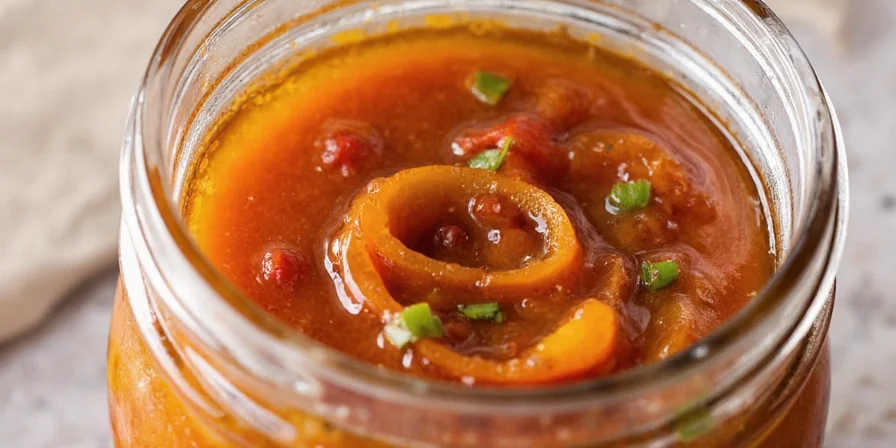
- Ultimate Chili Con Carne: Brown beef, bloom Gebhardt, add beans, tomatoes, and simmer. Serve with cheese, onions, and sour cream.
- Spiced Sweet Potato Fries: Toss fries with oil and a sprinkle of Gebhardt before baking. Crispy, earthy perfection!
- Mexican Street Corn: Mix mayo, lime zest, and Gebhardt. Slather onto grilled corn and top with cotija cheese and cilantro.
- Chili-Spiced Popcorn: Melt butter, stir in Gebhardt, pour over freshly popped kernels, and shake well.
- BBQ Ribs with a Kick: Mix Gebhardt with brown sugar, paprika, salt, and pepper. Rub generously on ribs before slow cooking or grilling.
Storage Secrets: Keep It Fresh, Keep It Fierce
Like most spices, Gebhardt Chili Powder can lose potency over time. Here's how to keep it at peak performance:
- Store in a cool, dark place away from heat and sunlight.
- Use an airtight container to prevent moisture and oxidation.
- Label the purchase date—you should replace it every 1–2 years for maximum flavor.
- If you use it often, consider buying smaller bottles to ensure freshness.
Gebhardt vs. Other Chili Powders: A Visual Breakdown
| Feature | Gebhardt Chili Powder | Ancho Chili Powder | Cayenne Powder | McCormick Chili Powder |
|---|---|---|---|---|
| Flavor Profile | Earthy, smoky, balanced | Sweet, fruity, mild | Hot, sharp, fiery | Generic blend, moderate spice |
| Heat Level (Scoville) | Mild-Medium (~500–2,500 SHU) | Mild (~1,000–2,000 SHU) | Hot (~30,000–50,000 SHU) | Mild-Medium (~varies) |
| Main Ingredients | Dried Mexican chilies, garlic, spices | Dried ancho peppers | Dried cayenne peppers | Chili peppers, garlic, spices |
| Best For | Chili, stews, rubs | Mole, sauces, soups | Soups, salsas, hot sauces | General cooking |
| Availability | Widely available | Common in specialty stores | Easy to find | Supermarkets |
Conclusion: Spice Up Your Life with Gebhardt
Gebhardt Chili Powder isn't just a spice—it's a gateway to flavor town. Whether you're a spice newbie or a full-on chili head, there's something timeless and versatile about this classic blend. So go ahead, open that jar, smell that earthy aroma, and get ready to bring a little Texas-sized flavor to your kitchen. Remember: spice is personal, so play around, have fun, and don't be afraid to make your food as wild—or as tame—as you like!




 浙公网安备
33010002000092号
浙公网安备
33010002000092号 浙B2-20120091-4