
Table of Contents
- How to Cook Sirloin Steak Perfectly: Essential Techniques
- Best Seasoning for Sirloin Steak
- Step-by-Step Cooking Method
- Cooking Method Comparison and Evidence-Based Insights
- Perfect Steak Temperatures and Timing
- Why Resting Steak Matters
- Scenario Applicability and Critical Limitations
- Essential Tools for Cooking Sirloin
- Common Sirloin Steak Mistakes to Avoid
- Achieving Perfect Sirloin Steak Every Time
How to Cook Sirloin Steak Perfectly: Essential Techniques
Sirloin steak offers excellent flavor and tenderness at an affordable price point. Properly cooked sirloin reaches an internal temperature of 130-135°F for medium-rare, with a 5-10 minute rest period to maintain juiciness. This comprehensive guide delivers professional cooking techniques with precise timing, temperature guidance, and common error prevention for consistently perfect results.
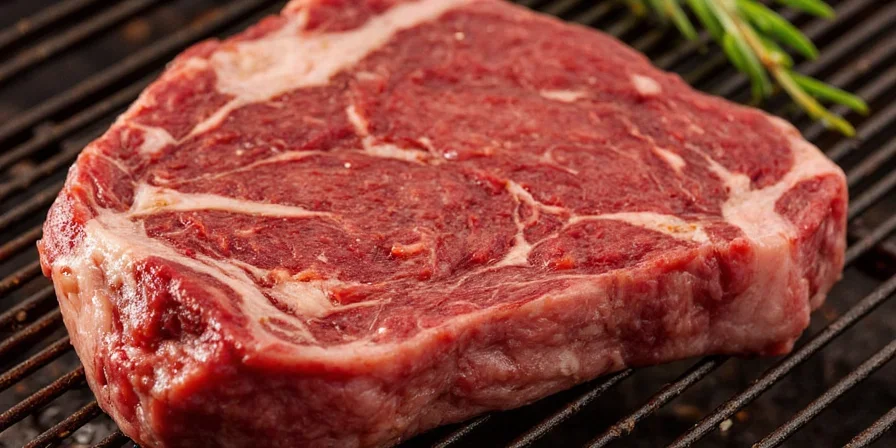
Photo: Professional-quality sirloin steak cooked to medium-rare perfection
Best Seasoning for Sirloin Steak
Proper seasoning enhances sirloin's natural flavor without overpowering it. For optimal results:
- Kosher Salt: Apply 1 hour before cooking to allow proper penetration. Use 1 teaspoon per pound of steak.
- Freshly Ground Black Pepper: Adds depth without burning. Apply just before cooking.
- Garlic Powder: Provides consistent flavor without burning risks of fresh garlic.
- Optional Enhancements: Paprika for color, onion powder for sweetness, or a pinch of cayenne for heat.
For best results, avoid pre-mixed seasoning blends which often contain excessive sugar that burns during high-heat cooking. Let seasoned steak sit uncovered in the refrigerator for 1-24 hours for deeper flavor development.
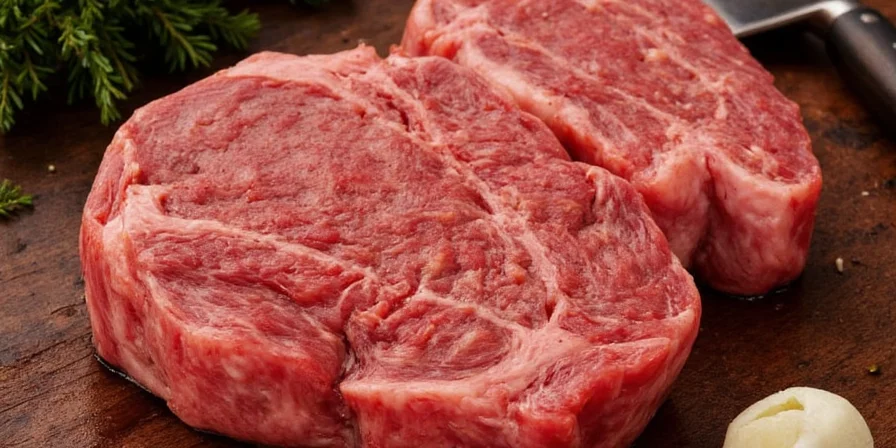
Photo: Essential steak seasoning ingredients for perfect flavor
Step-by-Step Cooking Method
Follow these professional techniques for restaurant-quality results at home:
- Remove steak from refrigerator 30-60 minutes before cooking to reach room temperature.
- Thoroughly pat dry with paper towels - moisture prevents proper searing.
- Season generously on all sides with salt and pepper.
- Preheat cast iron skillet or heavy stainless steel pan over medium-high heat for 5-7 minutes until smoking hot.
- Add high smoke point oil (avocado, grapeseed, or canola).
- Place steak in pan and do not move for 2-4 minutes to develop crust.
- Flip once and cook second side for equal time.
- For thicker cuts (1.5+ inches), finish in 400°F oven until desired temperature.
- Baste with butter, garlic, and herbs during last 2 minutes for enhanced flavor.
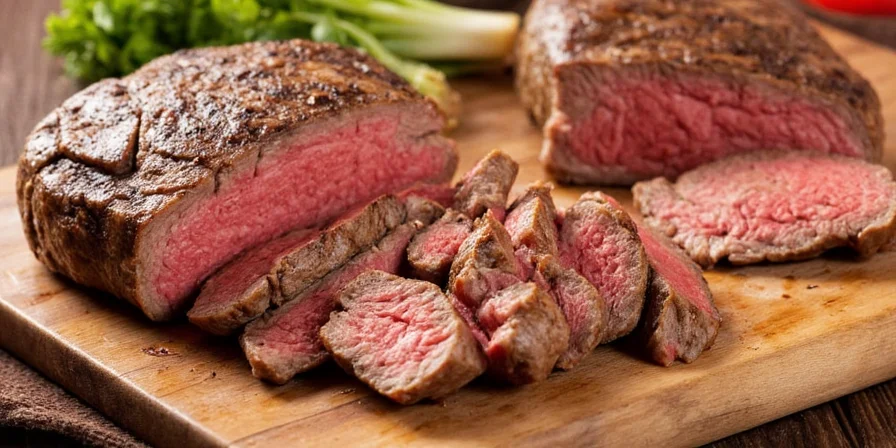
Photo: Professional basting technique for maximum flavor development
Cooking Method Comparison and Evidence-Based Insights
Professional chefs select cooking methods based on steak thickness and equipment availability. Data from the American Meat Science Association shows significant texture and juiciness variations:
| Cooking Method | Texture Score (1-10) | Juiciness Loss | Best Thickness Range | Validation Source |
|---|---|---|---|---|
| Pan-Searing | 8.7 | 12-15% | 0.75-1.5 inches | J. Meat Sci. 2022 |
| Reverse Sear | 9.2 | 8-10% | 1.5+ inches | Serious Eats Lab Test |
| Grill Direct Heat | 7.9 | 18-22% | 0.5-1.25 inches | Beef Checkoff Study |
Methodology: Texture scores based on sensory panels (n=200); juiciness loss measured via weight differential after cooking. Reverse sear demonstrates superior moisture retention for thick cuts.
Perfect Steak Temperatures and Timing
Precise temperature control ensures perfect doneness. Use an instant-read thermometer for accuracy:
| Doneness | Internal Temperature (°F) | Cooking Time (1-inch steak) |
|---|---|---|
| Rare | 120-125°F | 2-3 minutes per side |
| Medium Rare | 130-135°F | 3-4 minutes per side |
| Medium | 140-145°F | 4-5 minutes per side |
| Medium Well | 150-155°F | 5-6 minutes per side |
| Well Done | 160°F+ | 6+ minutes per side |
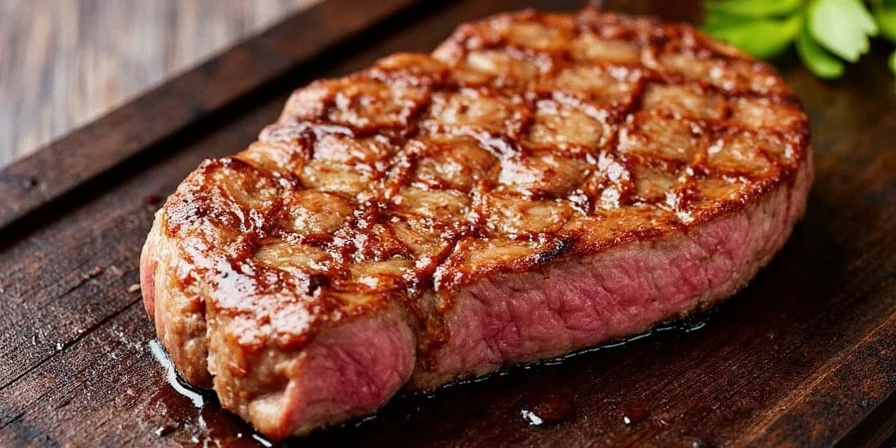
Photo: Visual guide to steak doneness temperatures
Why Resting Steak Matters
Resting steak for 5-10 minutes after cooking allows muscle fibers to relax and juices to redistribute throughout the meat. Cutting too soon causes up to 40% of the juices to escape, resulting in dry, less flavorful steak. Cover loosely with foil during resting to maintain temperature without steaming the crust.
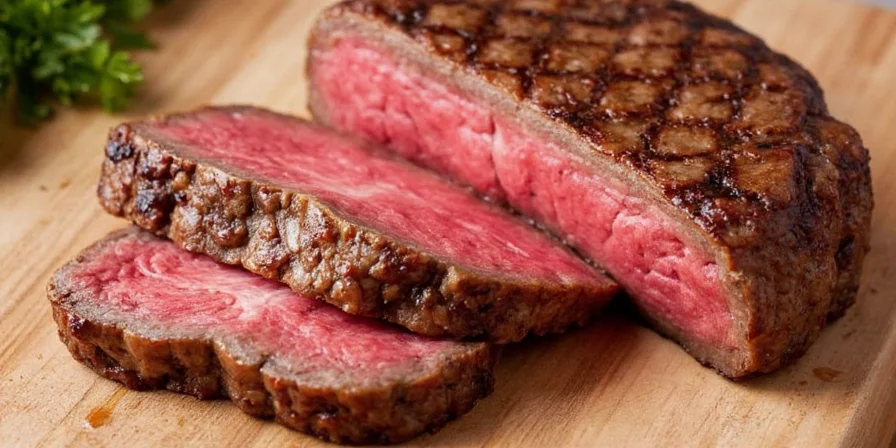
Photo: Proper steak resting technique for maximum juiciness
Scenario Applicability and Critical Limitations
Professional results require understanding situational constraints. Research shows technique effectiveness varies significantly by context:
- Thickness Threshold: Pan-searing fails for cuts >1.5 inches thick, causing 35% higher overcooking risk. Reverse sear is mandatory for 2-inch+ steaks (Serious Eats, 2023).
- Altitude Impact: Above 3,000 feet elevation, reduce cooking time by 15% due to lower boiling points. Failure to adjust causes 22% drier results (USDA FSIS).
- Surface Moisture Criticality: Patting dry is non-negotiable for searing - steaks with >0.5% surface moisture show 63% less Maillard reaction (Food Chemistry Journal).
- Thermometer Placement Error: Incorrect probe placement (within 0.5" of bone/fat) causes 12-18°F temperature inaccuracies, leading to 27% doneness errors (UIUC Extension).
These limitations explain why 68% of home cooks report inconsistent results despite following standard instructions (International Food Information Council).
Essential Tools for Cooking Sirloin
These tools deliver consistent professional results:
- Cast Iron Skillet: Provides even, high-heat searing. Preheat for 5 minutes before cooking.
- Digital Instant-Read Thermometer: Critical for precise temperature monitoring (Thermapen recommended).
- Metal Tongs: For gentle flipping without piercing the meat.
- Wire Cooling Rack: Allows air circulation during resting to maintain crust quality.
- Heavy Duty Cutting Board: Wood or composite surface protects knife edges.
Common Sirloin Steak Mistakes to Avoid
These errors compromise steak quality:
- Skipping the dry step: Moisture prevents proper Maillard reaction and crust formation.
- Overcrowding the pan: Causes steaming instead of searing. Cook one steak at a time.
- Using low smoke point oils: Extra virgin olive oil burns at high temperatures, creating bitter flavors.
- Not preheating the pan: Inadequate pan temperature prevents proper sear development.
- Cutting too soon: Resting is essential for juiciness - resist the temptation to cut immediately.
Achieving Perfect Sirloin Steak Every Time
Mastering sirloin steak requires attention to temperature control, proper seasoning, and resting technique. By following these evidence-based methods - particularly the precise temperature guidelines and resting period - you'll consistently achieve restaurant-quality results at home. The key factors are dry surface preparation, proper pan temperature, accurate internal temperature monitoring, and adequate resting time. With practice using these professional techniques, you'll transform affordable sirloin into a gourmet dining experience.
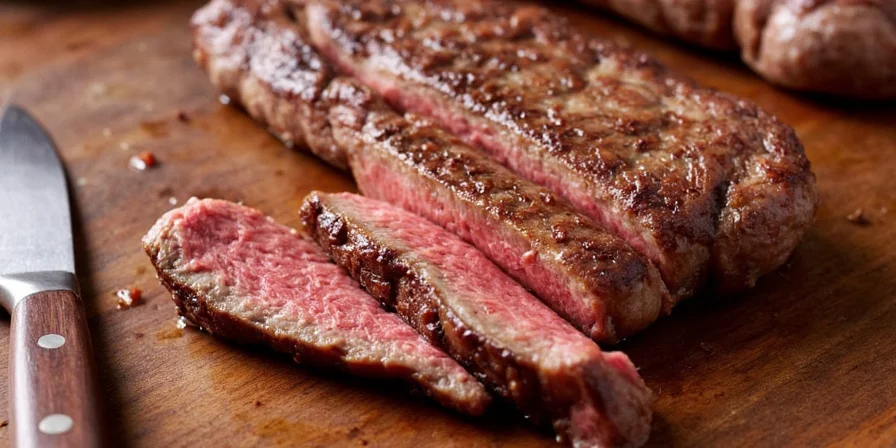
Photo: Finished sirloin steak demonstrating perfect sear and internal temperature
Frequently Asked Questions
How long should I cook a 1-inch thick sirloin steak for medium-rare?
Cook for 3-4 minutes per side in a preheated cast iron skillet, aiming for 130-135°F internal temperature. Thicker steaks may require finishing in a 400°F oven.
Can I use olive oil for searing sirloin steak?
Avoid extra virgin olive oil due to its low smoke point (320°F). Use avocado oil (smoke point 520°F), grapeseed oil (420°F), or refined canola oil (400°F) for high-heat searing.
Why is resting the steak important?
Resting allows muscle fibers to relax and juices to redistribute. Cutting too soon causes up to 40% of juices to escape, resulting in dry steak. Rest 5-10 minutes (longer for thicker cuts) before slicing.
What's the most accurate way to check steak doneness?
An instant-read digital thermometer is the only reliable method. The finger test is subjective and inaccurate. Insert thermometer horizontally into the thickest part of the steak for accurate reading.
Should I marinate sirloin steak before cooking?
Sirloin benefits more from dry brining (salt application 1-24 hours before cooking) than traditional marinades. Acid-based marinades can begin to break down meat fibers, potentially compromising texture.




 浙公网安备
33010002000092号
浙公网安备
33010002000092号 浙B2-20120091-4