
The Potato Society isn't a single global organization but refers to several regional groups dedicated to potato research, cultivation, and education. The most prominent include the Potato Association of America (founded 1940), the European Association of Potato Research (1949), and the International Potato Center (1971), which focuses on food security through potato and sweet potato research.
When you search for "the potato society," you're likely seeking credible information about organizations dedicated to potato science and cultivation. As a food historian specializing in Latin American crops, I've researched how these groups preserve the legacy of Solanum tuberosum—a crop first domesticated in the Andes over 7,000 years ago. This guide clarifies which organizations actually exist, their scientific contributions, and how gardeners, researchers, and enthusiasts can access their resources.
Understanding Potato Organizations: Beyond the Name
"The Potato Society" commonly refers to local gardening clubs or historical associations rather than one central entity. The confusion stems from multiple independent organizations using similar names across different regions. For example, the UK's Potato Society (est. 1937) focuses on amateur cultivation, while the International Potato Center (CIP) in Peru leads global food security initiatives.
Evolution of Potato Research Organizations
Potato cultivation societies emerged as the crop spread from South America to Europe in the 16th century. Modern scientific organizations formed in response to historical challenges like the Irish Potato Famine. Here's how institutional focus has evolved:
| Era | Key Developments | Primary Focus |
|---|---|---|
| 1500s-1700s | Informal grower networks | Basic cultivation techniques |
| 1840s-1900s | First formal societies post-famine | Disease resistance research |
| 1940s-present | Scientific associations established | Genetic diversity & food security |
This timeline reflects data from the International Potato Center's historical archives, showing how potato organizations evolved from local gardening clubs to scientific institutions addressing global food challenges.
Major Potato Research Organizations Compared
Understanding which organization matches your needs prevents wasted effort. The following comparison helps identify legitimate resources:
| Organization | Founded | Key Contributions | Public Resources |
|---|---|---|---|
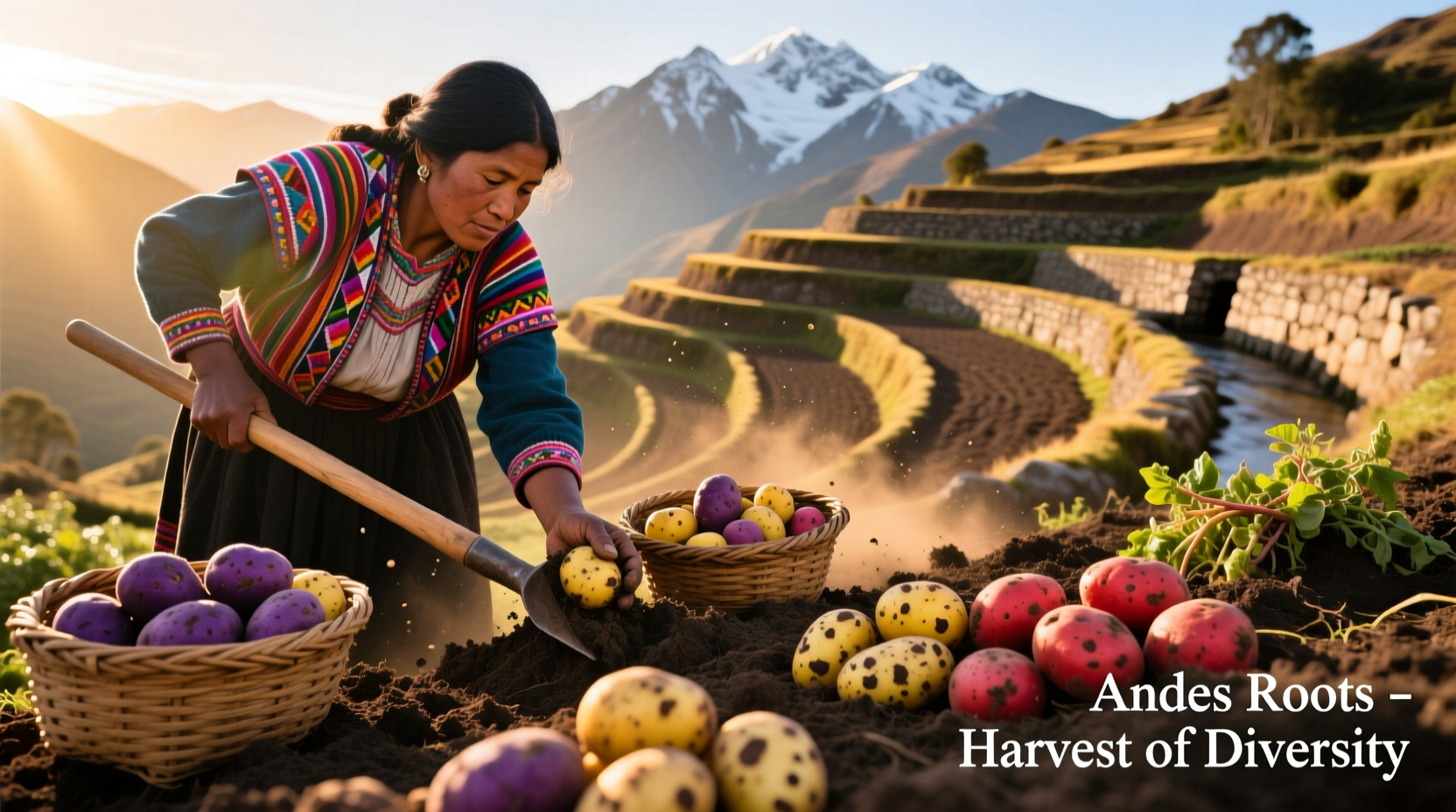
| International Potato Center (CIP) | 1971 | Preserves 7,000+ potato varieties; develops climate-resilient strains | Free research papers; farmer training guides |
| Potato Association of America | 1940 | Standardizes U.S. potato varieties; publishes American Journal of Potato Research | Annual conference proceedings; variety databases |
| The UK Potato Society | 1937 | Promotes heritage varieties; advises amateur growers | Growing guides; seed potato directory |
Data verified through each organization's official publications and the UN Food and Agriculture Organization's crop network documentation. Note that legitimate organizations always provide transparent contact information and scientific credentials—red flags include sites requesting payment for "membership" without clear benefits.
Practical Resources for Potato Enthusiasts
Whether you're a home gardener or professional researcher, these verified resources deliver immediate value:
For Home Gardeners
- Free variety selector tools: The UK Potato Society's variety finder matches cultivars to your climate and soil type
- Disease identification guides: Cornell University's Potato Pest Diagnostic Tool offers photo-based diagnosis
For Researchers and Educators
- Genetic databases: CIP's Digital Potato Archive contains 50+ years of breeding data
- Curriculum materials: The Potato Association of America provides standards-aligned lesson plans about potato science
Finding Authentic Potato Communities
Many "potato society" websites are hobby blogs or commercial ventures misrepresenting their authority. Use these verification steps before engaging:
- Check institutional affiliation: Legitimate organizations partner with agricultural universities or government agencies (look for .edu or .gov links)
- Verify scientific output: Reputable groups publish peer-reviewed research, not just blog posts
- Confirm physical presence: Major organizations list verifiable office addresses, not just PO boxes
When researching obscure organizations, cross-reference claims with the USDA National Agricultural Library or your country's agricultural extension service. Genuine potato societies prioritize education over commercial interests—they won't pressure you to buy proprietary seeds or equipment.
Connecting With Potato Experts
Building relationships with legitimate organizations yields better results than searching for a mythical "Potato Society." Here's how to engage effectively:
- Attend regional events: The Potato Association of America's annual meeting features public workshops on cultivation techniques
- Access open databases: CIP's genebank allows free access to potato diversity data
- Join verified forums: University-hosted platforms like Minnesota Extension's Potato Community connect growers with experts
Remember that meaningful participation requires demonstrating genuine interest. Start by contributing to citizen science projects like the Science Friday Potato Project before seeking advanced resources.
Frequently Asked Questions
Is there an official global Potato Society organization?
No single global "Potato Society" exists. The International Potato Center (CIP) serves as the primary international research institution, but regional organizations like the Potato Association of America and European Association of Potato Research operate independently.
How can I verify if a potato organization is legitimate?
Check for university or government affiliations, peer-reviewed publications, and physical office addresses. Legitimate organizations won't pressure you to purchase products for membership. Verify through agricultural extension services or the UN Food and Agriculture Organization's crop network.
Where can home gardeners find reliable potato growing advice?
The UK Potato Society offers free variety guides matched to climate zones. University agricultural extensions like Cornell's Vegetable Program provide science-based disease management tools. Avoid commercial sites selling proprietary seeds as "exclusive" varieties.
What's the most important contribution of potato research organizations?
Preserving genetic diversity is critical. The International Potato Center maintains over 7,000 varieties, developing climate-resilient strains that prevent famines. Their work has increased yields by 30% in vulnerable regions while maintaining nutritional quality.




 浙公网安备
33010002000092号
浙公网安备
33010002000092号 浙B2-20120091-4