
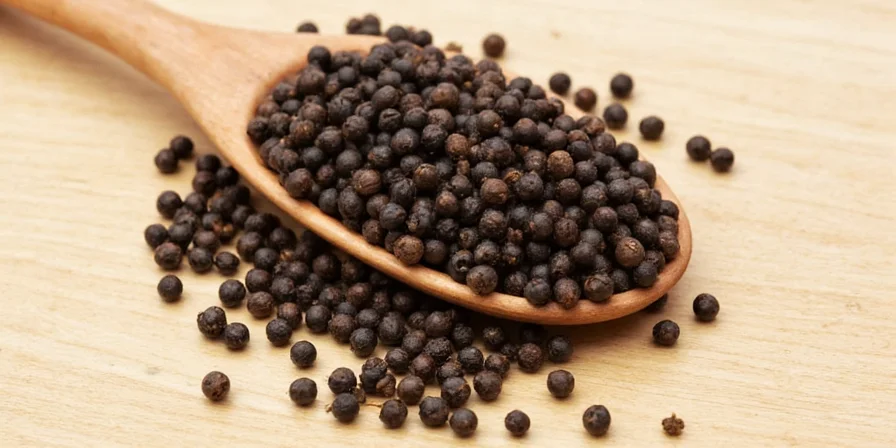
The Peppery Origins: A Spicy Journey Through Black Pepper's Roots
When you think about spices, black pepper is probably the first one that comes to mind. It’s on almost every dining table, in nearly every kitchen, and has been shaking things up for centuries — literally and figuratively.
But here’s a burning question: Where did black pepper actually originate from? Grab your spice rack and let’s take a flavorful trip through time and geography!
Table of Contents
- A Spice Like No Other: The Origin Story
- From Ancient Trade Routes to Modern Tables
- 5 Ways to Use Black Pepper Like a Pro
- Pepper Puns & Fun Facts
- Black Pepper vs. Its Spicy Cousins – Table Comparison
- Conclusion: Pepper’s Place in History and Your Kitchen
A Spice Like No Other: The Origin Story
So, where did black pepper originate from? Buckle up — we’re going back thousands of years to a tropical paradise known as India, specifically the lush region of Kerala along the Malabar Coast.
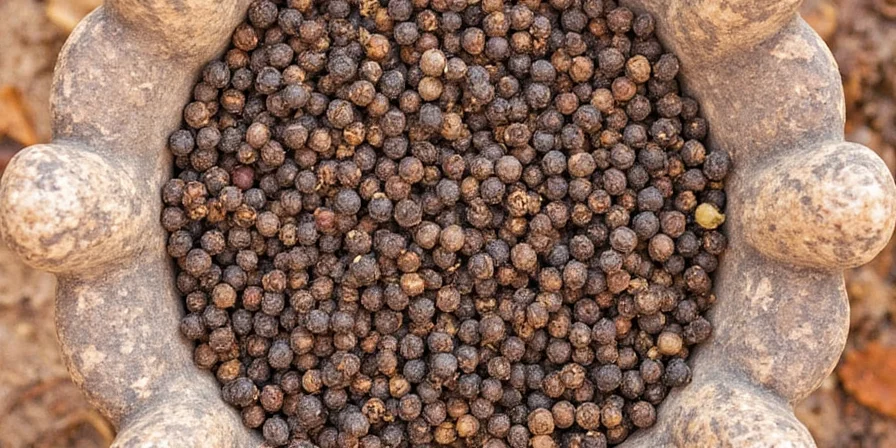
This area has long been called the “Spice Garden of India” thanks to its perfect climate for growing black pepper. Known as “black gold” in ancient times, black pepper was so valuable it was often used as currency and even played a role in historical trade wars.
A Botanical Background
Black pepper comes from the dried fruit of the flowering vine Piper nigrum. Yes, it’s a fruit — and before it becomes the ground spice we know and love, it goes through quite a journey:
- Grows as small green berries
- Turns red when ripe
- Boiled and sun-dried → turns black and becomes the version we use
From Ancient Trade Routes to Modern Tables
Let’s time travel a bit further, shall we?
Ancient Egypt: Used in embalming practices (yes, mummies had flavor).
Rome: Roman traders went wild for Indian pepper, bringing it across seas via dangerous voyages.
Medieval Europe: Pepper was worth its weight in silver. Literally. Some households even locked their pepper up like treasure.
In fact, during the fall of Rome, the barbarian king Alaric I demanded a hefty ransom of gold, silver, cloth — and 3,000 pounds of pepper.
Why Was Black Pepper So Valuable?
There were many reasons why black pepper became such a prized commodity:
- Preservation: Before refrigeration, pepper helped preserve meats and mask off flavors.
- Medicine: Ayurveda and early European medicine believed it had healing properties.
- Taste: Let’s be honest — it makes everything taste better.
5 Ways to Use Black Pepper Like a Pro
You don’t need to be a history buff to appreciate black pepper in your daily cooking. Here are five pro-level ways to make the most of this classic spice:
- Freshly Ground = Maximum Flavor
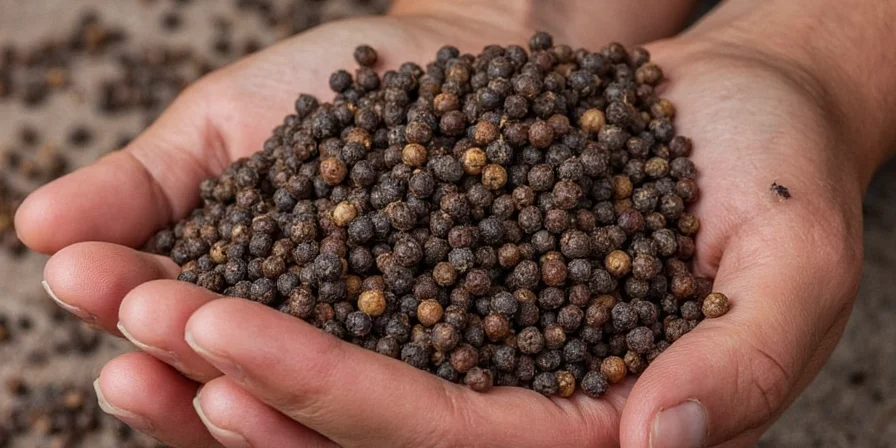
Buy whole peppercorns and grind them yourself. You’ll notice a huge difference in aroma and taste.
- Add It Late in the Game
Pepper loses potency when cooked too long. Add it near the end of cooking or sprinkle on finished dishes.
- Pair With Bold Flavors
It plays well with strong cheeses, rich meats, and earthy vegetables like mushrooms and eggplant.
- Make a Pepper Mill Part of Your Décor
Yes, it’s practical — but also stylish! Choose a mill that matches your kitchen vibe.
- Create Signature Blends
Mix black pepper with other spices like smoked paprika, cumin, or chili flakes for a custom seasoning mix.
Pepper Puns & Fun Facts
Because who doesn’t love a little spice-themed humor? 🌶️
- Did you know? The word “peppercorn” originally meant just the raw berry before drying.
- Pepper power: There are over 700 species in the Piper genus — but only one is black pepper!
- A little goes a long way: Just a few peppercorns can add big flavor without overpowering a dish.
- Black isn’t the only color: White, green, and pink peppercorns all come from the same plant!
- Pepper IQ Test: If someone says “salt and pepper,” correct them. It should be “pepper and salt.” Always pepper first — respect the hierarchy!
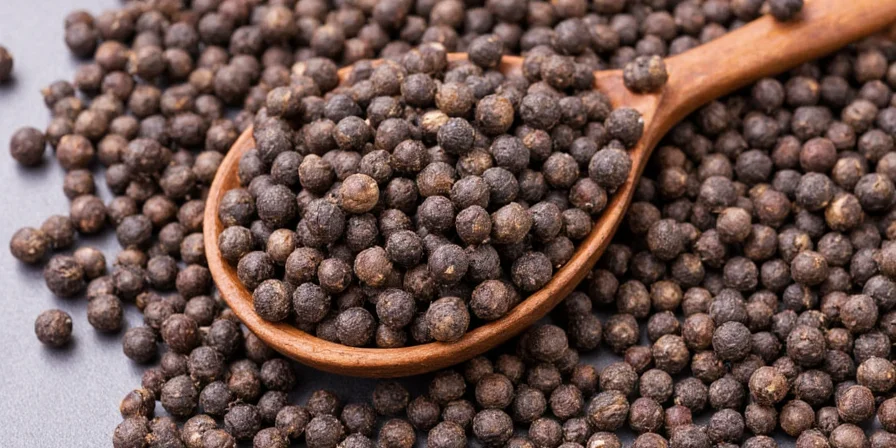
Black Pepper vs. Its Spicy Cousins – Table Comparison
| Type of Pepper | Origin | Flavor Profile | Best Uses | Fun Fact |
|---|---|---|---|---|
| Black Pepper | India | Earthy, sharp, slightly woody | Everyday seasoning | “Black Gold” of the spice world |
| White Pepper | Vietnam, Thailand | Milder, musty, fermented notes | Cream sauces, light dishes | Often made by soaking black peppercorns |
| Green Pepper | France, Madagascar | Fresh, bright, grassy | Dishes needing subtle kick | Unripe berries, sometimes brined |
| Pink Pepper | Brazil, Peru | Fruity, floral, sweet | Salads, desserts, cocktails | Not true pepper — from Schinus tree |
Conclusion: Pepper’s Place in History and Your Kitchen
So there you have it — the rich, spicy story behind where black pepper originated from. From the verdant coasts of Kerala to your dinner table, black pepper has stood the test of time not just because of its flavor, but because of its enduring cultural and culinary importance.
Next time you twist that pepper mill, take a moment to remember the epic journey this tiny berry has taken through history, trade, and taste buds. And if anyone asks you, “Where did black pepper originate from?” — you’ve got the answer ready, seasoned to perfection.




 浙公网安备
33010002000092号
浙公网安备
33010002000092号 浙B2-20120091-4