

The Magical Mystery Tour of the 7 Spice Blend: Unlock Flavors You Never Knew Existed!
Table of Contents
Introduction to the 7 Spice Blend
If you've ever walked into a Middle Eastern grocery store and felt like you'd stumbled into a wizard’s apothecary, then you know the magic begins with spice blends. One of the most intriguing yet underrated stars is the mysterious 7 Spice Blend. But what's in it? Why seven spices? And why should you care? Buckle up—we’re about to dive into the world of warm aromatics, earthy undertones, and flavor fireworks.
Breaking Down the Ingredients
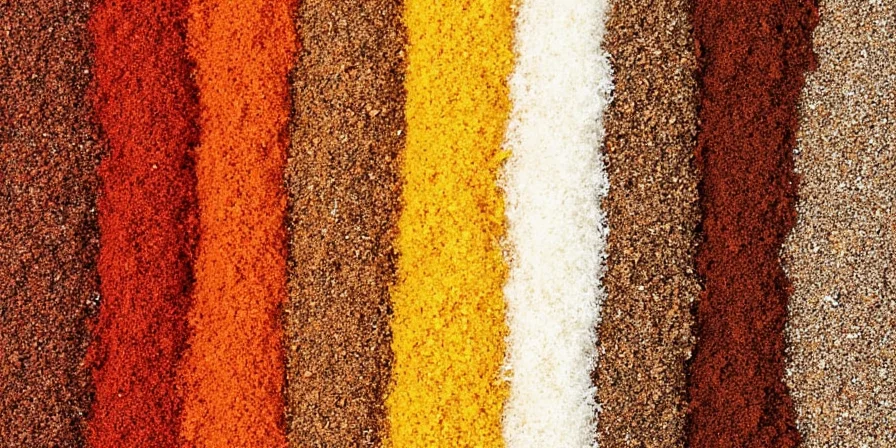
Before we go full-on alchemist, let’s break down the basics. The 7 Spice Blend isn’t just a random collection of whatever was left in the pantry. It’s carefully curated to balance sweet, savory, earthy, and even slightly floral notes. Here’s a quick peek inside this aromatic treasure chest:
| Spice | Flavor Profile | Main Role |
|---|---|---|
| Cumin | Earthy, nutty, warm | Base flavor |
| Coriander | Citrusy, spicy, slightly sweet | Brightens other flavors |
| Cinnamon | Sweet, woody, aromatic | Adds warmth and depth |
| Nutmeg | Musky, sweet, rich | Enhances sweetness without sugar |
| Allspice | Peppery, clove-like, fruity | Brings complexity |
| Black Pepper | Sharp, pungent, spicy | Boosts flavor absorption |
| Cloves | Intensely sweet, medicinal | Punches through heavy flavors |
5 Practical Tips for Using the 7 Spice Blend
- Start small: This blend packs a punch! A little goes a long way, especially if you're new to Middle Eastern cuisine.
- Toast before use: Lightly dry-toasting the blend enhances its aroma and deepens the flavor profile. Just don't burn it!
- Use in ground meat dishes: It’s perfect for lamb koftas, kebabs, or any seasoned ground meat dish. Your taste buds will thank you.
- Pair with citrus: A squeeze of lemon or orange brightens up the blend and balances its richness.
- Store properly: Keep your 7 Spice Blend in an airtight container away from heat and light. It’ll last longer and stay flavorful.

How to Cook with It Like a Pro
You’ve got the spices, now let’s talk strategy. Here are some pro tips on incorporating this blend into your everyday cooking:
- Rub for roasted vegetables: Toss carrots, eggplant, or cauliflower in olive oil and a pinch of the 7 spice blend before roasting. Boom—flavor explosion!
- Stir into soups and stews: Add a teaspoon during the simmering stage to elevate the depth of flavor without overpowering the dish.
- Marinate proteins: Whether it’s chicken, beef, or tofu, mixing the spice blend into your marinade gives it that restaurant-quality flair.
- Make your own falafel mix: Replace generic “Middle Eastern” seasoning with this custom blend. Trust us, it makes a difference.
- Create signature dips: Stir a dash into hummus, labneh, or yogurt-based sauces for a subtle but noticeable flavor boost.

Spice Blends Compared: 7 Spice vs. Other Global Favorites
Let’s face it—spice blends are having a global moment. How does our beloved 7 Spice stack up against the competition?
| Spice Blend | Common Use | Flavor Profile | Best For |
|---|---|---|---|
| 7 Spice (Baharat) | Middle Eastern cuisine | Warm, complex, slightly sweet | Meat dishes, soups, rice |
| Garam Masala | Indian cuisine | Earthy, warming, slightly sweet | Curries, lentils, roasted veggies |
| Dubliner BBQ Rub | Western barbecue | Smoky, salty, sweet | Grilled meats, burgers |
| Za’atar | Mediterranean cuisine | Herby, tangy, earthy | Bread dips, salad dressings, flatbreads |
| Taco Seasoning | Mexican-inspired dishes | Smoky, spicy, tomatoey | Tacos, chili, enchiladas |
Conclusion & Final Thoughts
The 7 Spice Blend isn’t just another jar on the shelf—it’s your passport to bold, balanced flavor. Whether you’re a home cook looking to jazz up weeknight dinners or a professional chef aiming to impress, this versatile blend deserves a permanent spot in your kitchen.
So next time you’re feeling adventurous, grab that jar, sprinkle a little magic, and let your taste buds take a journey they won’t soon forget. And remember: With great spice comes great responsibility… to make delicious food!
Stay tuned for more flavor-packed adventures from your friendly spice guru. Until then, happy cooking and may your kitchen always smell amazing!




 浙公网安备
33010002000092号
浙公网安备
33010002000092号 浙B2-20120091-4