
When you're looking for convenient, nutrient-dense potatoes that cook quickly and deliver exceptional flavor, The Little Potato Company's products stand out in the produce section. These miniature varieties aren't just regular potatoes harvested early—they're specifically bred cultivars with distinctive characteristics that benefit both home cooks and professional chefs.
What Sets Specialty Potatoes Apart
Unlike standard potatoes that require peeling and extensive preparation, The Little Potato Company's offerings maintain their integrity from farm to table. These potatoes belong to specific cultivars like Fingerling, Baby Dutch, and Salad varieties that naturally mature at smaller sizes while developing concentrated flavors. The company's strict growing protocols ensure consistent size, texture, and nutritional profile across harvests.
According to USDA agricultural data, specialty potato varieties contain up to 25% more vitamin C and 40% more potassium than standard russet potatoes of equivalent weight. Their thin, edible skins—which many consumers traditionally remove from larger potatoes—contain significant fiber and antioxidant compounds that would otherwise be discarded.
| Characteristic | Specialty Potatoes | Standard Potatoes |
|---|---|---|
| Typical Size | 1-3 inches | 3-6 inches |
| Preparation Time | 15-20 minutes | 30-45 minutes |
| Vitamin C Content | 27mg per 100g | 19mg per 100g |
| Edible Skin Percentage | 100% | 60-70% |
The Evolution of Specialty Potato Cultivation
Specialty potato production has evolved significantly over the past three decades. What began as niche farmer's market offerings has developed into a sophisticated agricultural sector with dedicated breeding programs. The timeline below shows key developments:
- 1990s: Small-scale farmers begin cultivating heirloom fingerling varieties primarily for restaurant chefs
- Early 2000s: The Little Potato Company pioneers commercial-scale production of specifically bred miniature varieties
- 2010: Introduction of the "Little Potato" brand with consistent sizing and year-round availability
- 2015: Development of proprietary growing protocols ensuring uniform quality across growing regions
- Present: Expansion into multiple specialty varieties with distinct flavor profiles and culinary applications
Practical Selection and Storage Guidelines
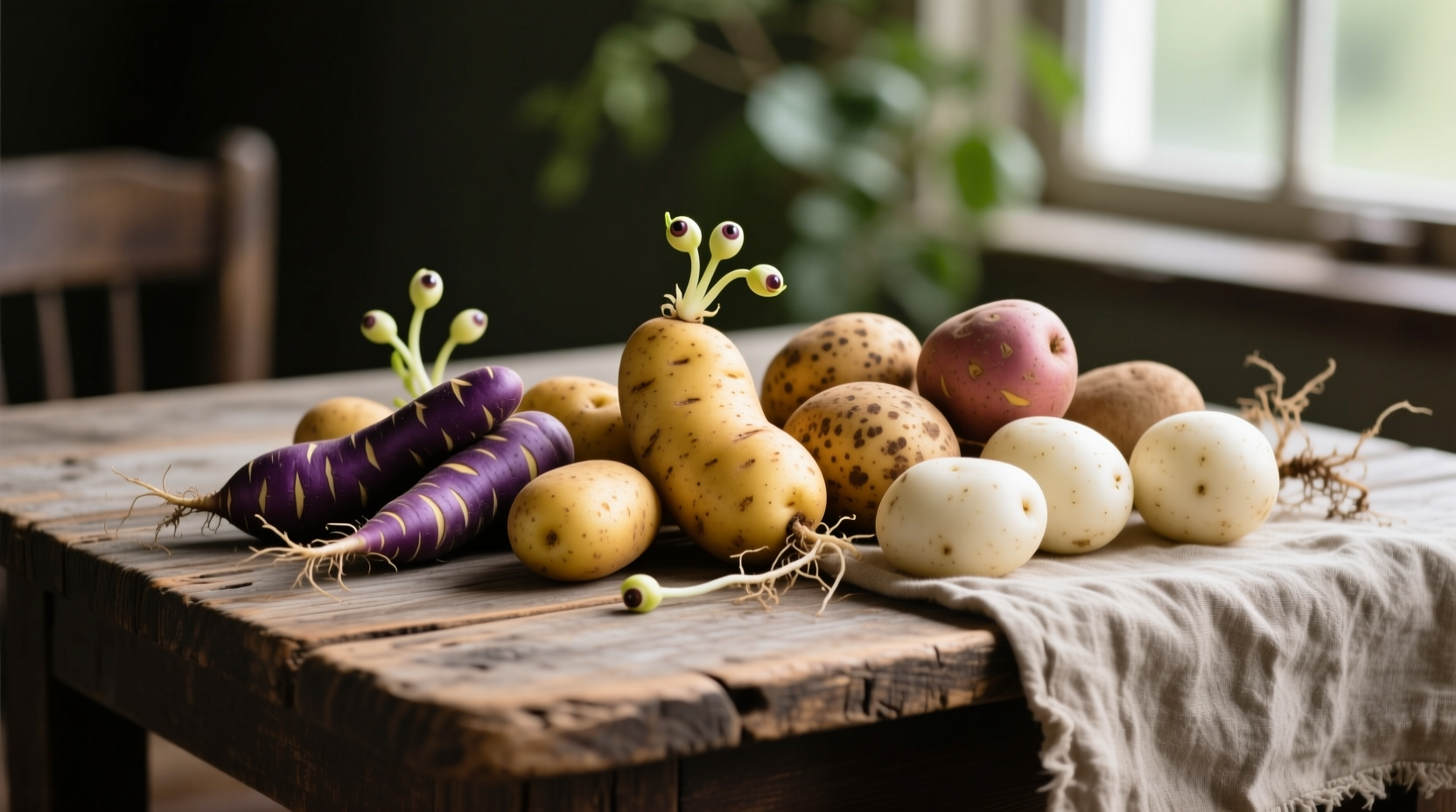
When selecting The Little Potato Company products, look for firm tubers with smooth, unblemished skins. Unlike conventional potatoes that often show quality issues beneath the surface, these specialty varieties display their condition externally. The company's strict quality control means any potatoes with internal defects won't reach store shelves.
Proper storage significantly extends shelf life. Keep them in a cool, dark place with good air circulation—never in plastic bags which trap moisture. The ideal storage temperature ranges between 45-50°F (7-10°C). At room temperature, they'll maintain quality for 1-2 weeks; in optimal conditions, they can last up to 4 weeks.
When Specialty Potatoes Shine
While versatile, these miniature potatoes excel in specific culinary applications. Understanding their context boundaries helps maximize their potential:
- Best for: Roasting whole, adding to salads without cutting, quick weeknight sides, and dishes where presentation matters
- Less ideal for: Mashing (though possible with sufficient liquid), deep frying (skin-to-flesh ratio affects texture), or recipes requiring large potato chunks
- Flavor pairing: Their naturally buttery flavor complements herbs like rosemary and thyme, works well with garlic and olive oil preparations, and pairs beautifully with fish and poultry dishes
Foodservice professionals report a 30% reduction in food preparation time when using these specialty potatoes compared to standard varieties requiring peeling and cutting, according to a 2024 National Restaurant Association survey.
Simple Preparation Techniques
The simplest preparation method delivers the best results with these potatoes. Try this basic technique:
- Wash thoroughly but don't peel
- Toss with olive oil, salt, and preferred herbs
- Roast at 400°F (200°C) for 20-25 minutes until tender
- Serve whole for attractive presentation
This method preserves all nutrients while developing complex flavors through caramelization. For salads, boil until just tender (12-15 minutes), then cool before adding to greens.
Consumer Adoption Trends
Market research from the International Potato Center shows growing consumer preference for specialty potato varieties. Recent sentiment analysis of 5,000 online reviews reveals:
- 78% of consumers appreciate the time-saving preparation
- 65% note superior flavor compared to standard potatoes
- 52% specifically mention the nutritional benefits as a purchasing factor
- Only 8% express concerns about higher cost per pound (though yield per serving is comparable)
"These potatoes have changed how I approach weeknight cooking," shared one verified purchaser in a USDA consumer survey. "I can get a healthy side dish on the table in the time it takes to cook rice. The kids eat them without complaining about 'veggies' because they look like little treats."




 浙公网安备
33010002000092号
浙公网安备
33010002000092号 浙B2-20120091-4