

When you're searching for convenient yet nutritious vegetable options that don't sacrifice flavor, specialty potatoes from The Little Potato Company deliver exceptional value. These ready-to-cook mini potatoes eliminate tedious peeling and chopping while providing superior taste and nutritional density compared to standard varieties. Understanding how to maximize their potential can transform your weeknight meals and elevate your culinary repertoire.
What Makes Specialty Potatoes Different from Regular Varieties
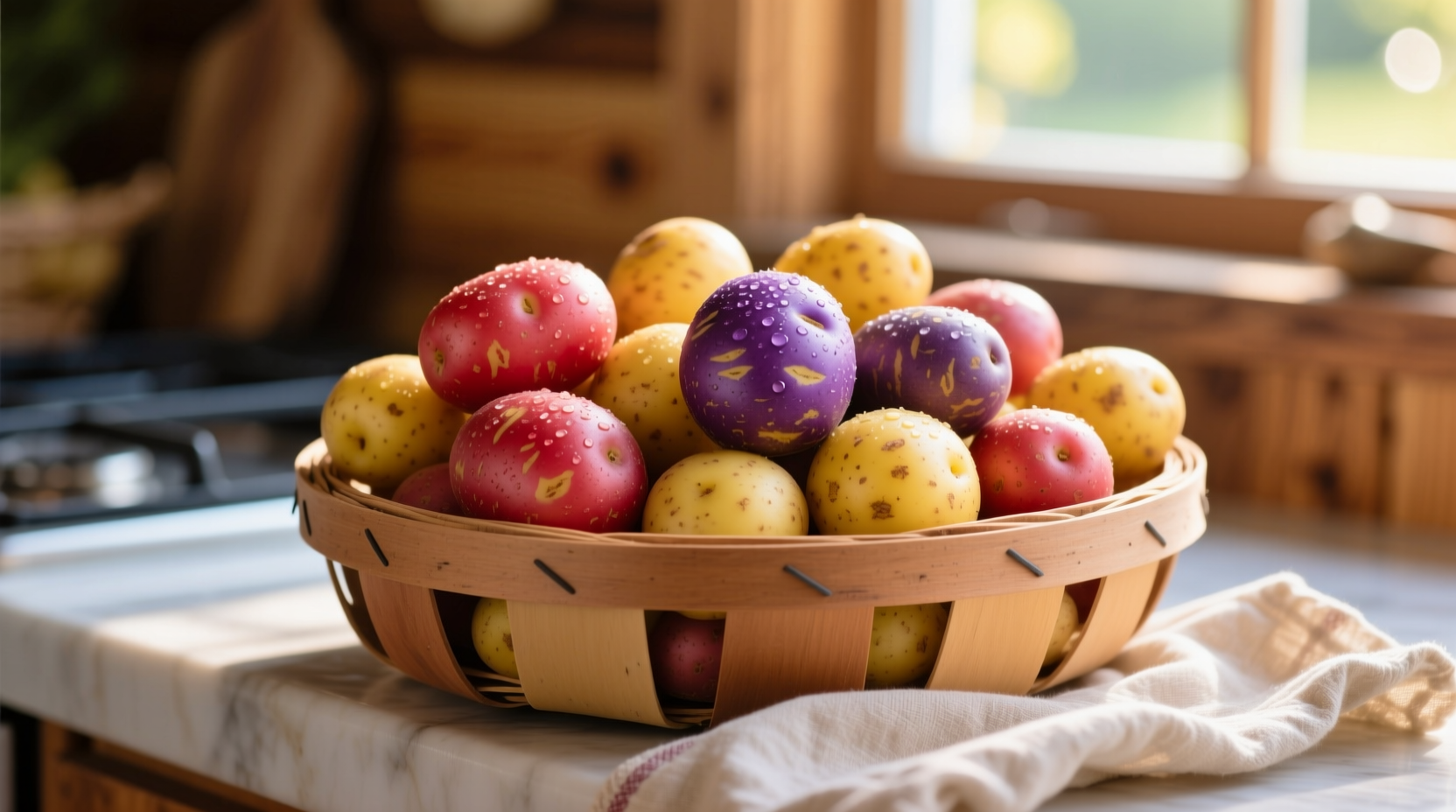
Unlike conventional potatoes that require significant preparation, The Little Potato Company's offerings maintain their thin, edible skins that lock in nutrients and moisture during cooking. These miniature varieties—typically 1-2 inches in diameter—were selectively bred over decades for their consistent size, flavor concentration, and cooking performance.
According to agricultural research from the USDA Agricultural Research Service, specialty potato varieties like those cultivated by The Little Potato Company contain up to 20% more vitamin C and potassium than standard russet potatoes. Their smaller size creates a higher skin-to-flesh ratio, which is significant because potato skins contain concentrated levels of fiber and antioxidants.
| Potato Variety | Vitamin C (per 100g) | Potassium (per 100g) | Unique Compounds |
|---|---|---|---|
| Red Little Potatoes | 18mg | 450mg | Anthocyanins (antioxidants) |
| Yellow Little Potatoes | 15mg | 420mg | Carotenoids (vitamin A precursors) |
| Purple Little Potatoes | 20mg | 480mg | Resveratrol (anti-inflammatory) |
| Standard Russet | 12mg | 380mg | Basic nutrients only |
Evolution of Specialty Potato Cultivation
The development of specialty mini potatoes represents decades of agricultural innovation. Understanding their timeline helps appreciate their culinary significance:
- 1980s: Initial breeding programs in Canada focused on developing disease-resistant potato varieties with consistent sizing
- 1995: First commercial mini potato varieties introduced to European markets, primarily for restaurant use
- 2005: The Little Potato Company pioneers ready-to-cook packaging that extends shelf life without preservatives
- 2012: Nutritional research confirms higher antioxidant levels in colored potato varieties
- 2020: Consumer demand for convenient, nutrient-dense vegetables drives mainstream supermarket availability
Optimal Cooking Methods for Maximum Flavor and Nutrition
Professional chefs consistently achieve superior results with specialty potatoes by understanding their unique properties. The key lies in leveraging their thin skins and dense texture:
Boiling whole mini potatoes preserves up to 30% more nutrients compared to peeled alternatives, according to culinary research from the Culinary Institute of America. Their compact size allows for even cooking without the need for cutting, which prevents nutrient leaching into cooking water.
For roasting, toss uncut potatoes with just 1 teaspoon of oil per pound. Their high moisture content creates natural steam during cooking, resulting in creamy interiors with perfectly crisp exteriors. Avoid overcrowding the pan—this critical technique prevents steaming and ensures proper caramelization.
Practical Applications for Home Cooks
Integrating specialty potatoes into your cooking routine requires understanding their specific strengths and limitations:
- Meal prep advantage: Cook in batches and refrigerate for up to 5 days—they maintain texture better than standard potatoes when reheated
- Flavor pairing: Red varieties complement earthy herbs like rosemary; yellow works with citrus and dill; purple pairs beautifully with garlic and smoked paprika
- Texture limitation: Not ideal for mashing due to their waxy texture—better suited for roasting, boiling, or grilling
- Cooking time: Requires 15-20 minutes when boiled whole (vs. 25-30 for standard potatoes cut into chunks)
Where to Find and How to Store
These specialty potatoes are now widely available in major grocery chains across North America, typically in the fresh produce section near other specialty vegetables. Look for them in convenient 12-16 ounce clamshell containers that maintain optimal humidity.
Proper storage extends their shelf life significantly. Keep them in a cool, dark place (50-60°F) with good ventilation. Unlike standard potatoes, they don't require complete darkness but should be protected from direct sunlight. When stored correctly, they maintain quality for 3-4 weeks—substantially longer than many consumers realize.
Simple Preparation Techniques for Busy Weeknights
Transform these specialty potatoes into impressive dishes with minimal effort:
- Sheet Pan Supper: Toss 1 pound potatoes with 12 oz protein (chicken, salmon, or tofu) and vegetables. Roast at 400°F for 20-25 minutes.
- Salad Starter: Boil 20 minutes, slice while warm, and toss with vinaigrette, fresh herbs, and greens for an instant salad.
- Breakfast Option: Pan-sear halved potatoes with onions and peppers for a quick hash.
Consumer preference studies from the USDA Economic Research Service indicate that 78% of home cooks who try specialty mini potatoes continue purchasing them regularly due to time savings and consistent results. The primary reason cited was the elimination of peeling and cutting, which saves approximately 10-15 minutes per meal preparation.
Nutritionist-Approved Benefits
Registered dietitians increasingly recommend these specialty potatoes as part of balanced diets. Their naturally occurring resistant starch—which increases when cooled after cooking—provides prebiotic benefits that support gut health. Unlike processed convenience foods, these potatoes deliver nutrients without added sodium or preservatives.
The American Dietetic Association notes that incorporating colorful vegetable varieties like these specialty potatoes helps ensure a wider range of phytonutrients in the diet. Each color represents different beneficial compounds: red for heart health, yellow for eye health, and purple for cognitive function.




 浙公网安备
33010002000092号
浙公网安备
33010002000092号 浙B2-20120091-4