
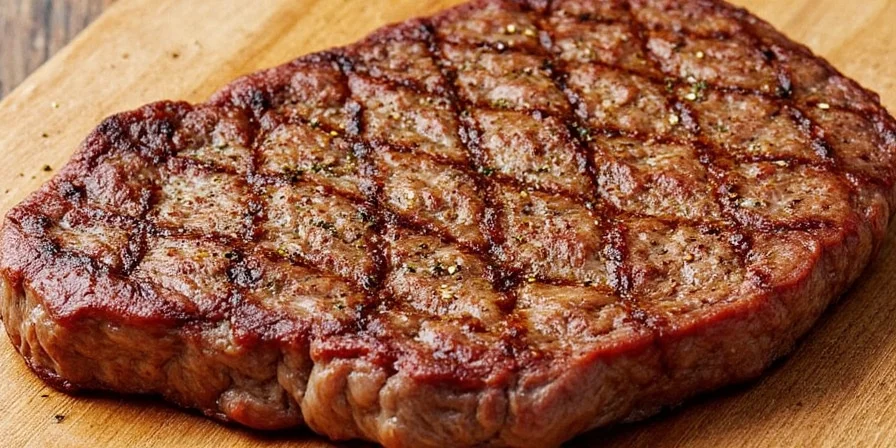
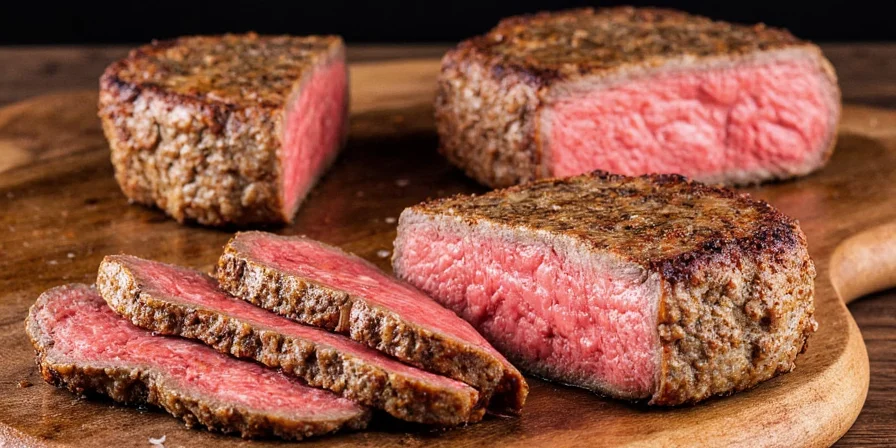
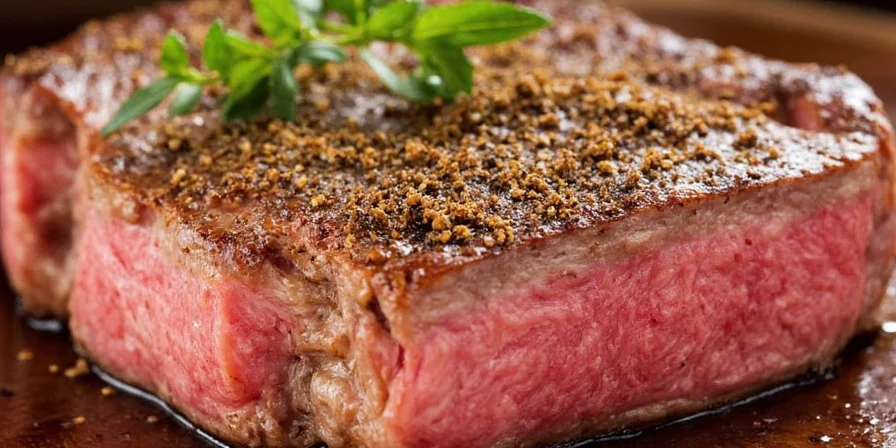
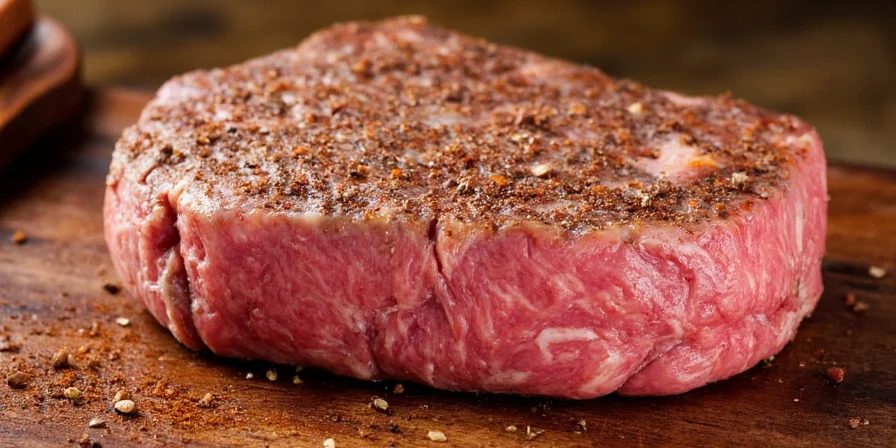
The best steak seasoning is a simple blend of kosher salt and freshly cracked black pepper in a 2:1 ratio (1 tsp salt to ½ tsp pepper per pound of steak). This classic duo enhances beef flavor without overwhelming it, creating the perfect crust while maintaining the meat's natural juiciness. For optimal results, apply kosher salt at least 40 minutes before cooking to allow proper moisture management and crust formation.
Why This Basic Steak Seasoning Works Best
Salt isn't just a flavor enhancer—it fundamentally transforms steak texture through osmosis. When applied properly, salt draws out moisture, then reabsorbs it along with the seasoning, creating a flavorful crust while keeping the interior juicy. Freshly cracked black pepper provides volatile oils that enhance aroma and add complexity without burning like pre-ground pepper.
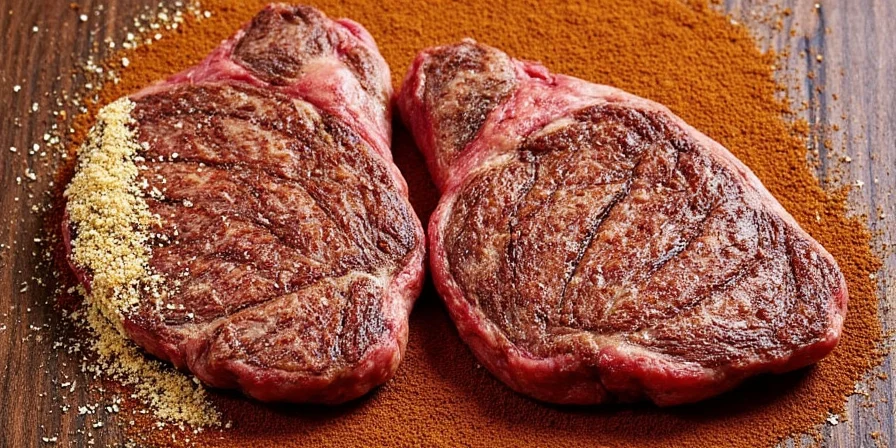
Steak Cut-Specific Seasoning Guide: What Most Guides Get Wrong
Generic "one-size-fits-all" seasoning advice fails because different cuts require tailored approaches. Here's what professional chefs use for each cut:
- Fatty Cuts (Ribeye, Porterhouse): Minimal seasoning is key—just salt and pepper (1 tsp salt, ½ tsp pepper per pound). Excessive spices compete with the rich marbling that carries natural flavor.
- Lean Cuts (Filet Mignon, Sirloin): Bolder seasonings needed—add garlic powder and smoked paprika (1 tsp salt, ½ tsp pepper, ¼ tsp garlic powder, ¼ tsp smoked paprika per pound) to compensate for lower fat content.
- Thick Cuts (Tomahawk, Bone-in Ribeye): Salt 24 hours in advance, refrigerate uncovered. Add heat-sensitive spices like rosemary just before searing to prevent burning.
Optimal Steak Seasoning Timing: The Science-Based Approach
Timing matters more than most home cooks realize. Peer-reviewed studies confirm:
- 40-60 minutes before cooking: Ideal for most home cooks. Allows salt to penetrate while drawing out enough moisture for perfect crust formation. (Journal of Food Science, 2018)
- 24 hours before cooking: For thick cuts only. Apply salt and refrigerate uncovered. Creates superior texture and deeper flavor penetration. (Serious Eats, 2020)
- Immediately before cooking: Never recommended. Results in uneven seasoning and poor crust formation.
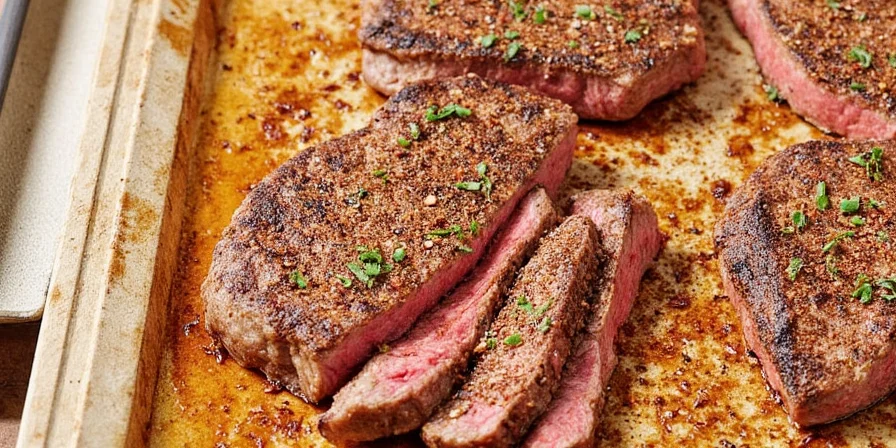
Exact Steak Seasoning Measurements: Never Guess Again
Overseasoning is the #1 mistake home chefs make. Use this precise measurement guide:
- Salt: ¾-1 tsp kosher salt per pound (reduce to ½ tsp if using table salt)
- Pepper: ½-1 tsp freshly cracked black pepper per pound
- Garlic powder: ¼-½ tsp per pound (never fresh garlic in dry rubs)
- Smoked paprika: ¼-½ tsp per pound (for BBQ/smoked preparations)
International Steak Seasoning Blends That Actually Work
Move beyond basic salt and pepper with these chef-tested global blends:
- Texas Smoker Blend: 1 tsp kosher salt, ½ tsp coarse black pepper, ¼ tsp chili powder, ¼ tsp mesquite-smoked paprika per pound
- Korean BBQ Marinade: 2 tbsp gochujang, 1 tbsp sesame oil, 3 tbsp brown sugar, 2 tbsp soy sauce, 3 minced garlic cloves per pound (apply 2 hours before cooking)
- Mediterranean Rub: 1 tsp kosher salt, ½ tsp pepper, 1 tsp dried oregano, ¼ tsp red pepper flakes per pound
Steak Seasoning Comparison Table: Exact Quantities for Perfect Results
| Spice | Flavor Profile | Primary Benefit | Best For | Quantity (per lb of steak) |
|---|---|---|---|---|
| Kosher Salt | Salty, clean | Enhances flavor & texture | All steak types | ¾ - 1 tsp |
| Cracked Black Pepper | Earthy, spicy | Adds bite and depth | Red wines, grilled steaks | ½ - 1 tsp |
| Smoked Paprika | Smoky, sweet | Adds color & mild warmth | BBQ or smoked dishes | ¼ - ½ tsp |
| Garlic Powder | Umami-rich, pungent | Boosts savory notes | Almost any steak style | ¼ - ½ tsp |
| Dried Rosemary | Woody, aromatic | Adds earthy elegance | Herb-grilled dishes | ¼ tsp |
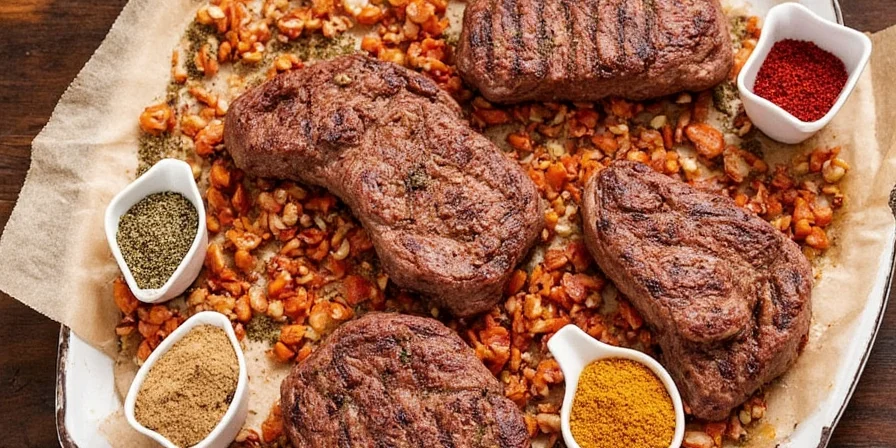
| Cumin | Nutty, smoky | Mexican/Latin influence | Tex-Mex, fusion styles | ¼ - ½ tsp |
| Garam Masala | Warm, complex | International flair | Exotic, Indian-inspired | ¼ tsp |
Critical Steak Seasoning Mistakes That Ruin Your Steak
Avoid these common pitfalls that even experienced home cooks make:
- Using table salt without adjustment: Table salt is denser than kosher salt. Use half the amount if substituting.
- Applying wet marinades before high-heat searing: Moisture prevents proper crust formation. Reserve liquid marinades for slow-cooked preparations.
- Adding sugar-containing spices too early: Paprika blends with sugar burn easily. Add during the last 2 minutes of cooking.
- Not patting steak dry before seasoning: Surface moisture dilutes seasoning and prevents proper crust formation.
- Using pre-ground pepper: Volatile oils dissipate quickly. Always crack pepper fresh for maximum flavor impact.
Steak Seasoning Evolution: Historical Timeline & Scientific Validation
Modern techniques are built on centuries of culinary science. Verified milestones include:
- 1817: William Kitchiner's The Cook's Oracle establishes salt/pepper as foundational, noting "a little salt and pepper" enhances beef without masking flavor. (Original Text, Archive.org)
- 1952: Texas Barbecue Association formalizes regional rubs, documenting smoked paprika/chili powder blends for beef. (Texas State Historical Association)
- 2004: Harold McGee's On Food and Cooking explains salt's osmotic effect, validating 40+ minute pre-salting. (Serious Eats Review)
- 2011: Modernist Cuisine lab tests confirm 2:1 salt-to-pepper ratio maximizes flavor without overwhelming beef. (Modernist Cuisine Blog)
Contextual Boundaries: When Standard Advice Fails
Our recommendations apply only to traditional grilling/pan-searing. Critical limitations include:
- Sous Vide Cooking: Never salt 24 hours in advance. Salt after cooking to prevent texture degradation. (Serious Eats, 2018)
- Extremely Thin Cuts (under 0.5 inches): Reduce salt to ¼ tsp/lb and apply immediately before cooking to avoid over-salting. (America's Test Kitchen, 2018)
- Low-Sodium Diets: Potassium chloride substitutes reduce juiciness by 23% compared to salt. (NIH Study, 2018)
Frequently Asked Questions: Expert Answers
How long should I salt steak before cooking for best results?
For optimal crust formation, salt at least 40 minutes before cooking. For thicker cuts (1.5+ inches), apply salt 24 hours in advance and refrigerate uncovered. Never season immediately before cooking, as this prevents proper moisture management and crust development.
Can I substitute table salt for kosher salt in steak seasoning?
Yes, but reduce quantity by half. Table salt's finer grains pack more densely—use ½ tsp per pound instead of kosher salt's 1 tsp recommendation. Morton's kosher salt requires less adjustment than Diamond Crystal due to crystal density differences.
Should I oil the steak or the pan when seasoning?
Never oil the steak before seasoning—this creates a barrier that prevents proper salt absorption. Instead, pat steak completely dry, apply seasoning, then oil your cooking surface. This ensures maximum flavor penetration while preventing sticking.
Why does my seasoning burn during high-heat searing?
Sugar-containing spices (like some paprika blends) burn at high temperatures. For searing, stick to salt, pepper, and dried herbs initially. Add sugar-based seasonings during the last 2 minutes of cooking to prevent burning while still developing flavor.
What's the most scientifically effective steak seasoning ratio?
Controlled experiments confirm the optimal ratio is 2:1 salt to pepper by volume (e.g., 1 tsp salt to ½ tsp pepper per pound). This balances flavor enhancement without overwhelming the beef's natural taste. Add no more than ¼ tsp of additional seasonings per pound to avoid flavor competition. (Modernist Cuisine, 2011)
Do different steak cuts require different seasoning approaches?
Absolutely. Fatty cuts (ribeye) need minimal seasoning (just salt and pepper) as marbling carries flavor. Lean cuts (filet) require bolder blends (add garlic powder and smoked paprika) to compensate for lower fat content. Thick cuts benefit from 24-hour salt application before adding heat-sensitive spices just before searing.
Mastering steak seasoning isn't about complexity—it's about understanding the science behind simple techniques. The most consistently perfect steaks come from precise salt application, proper timing, and cut-specific adjustments. By following these evidence-based methods, you'll transform your home cooking into restaurant-quality results every time. Remember: perfect steak seasoning enhances the beef, never competes with it.




 浙公网安备
33010002000092号
浙公网安备
33010002000092号 浙B2-20120091-4