
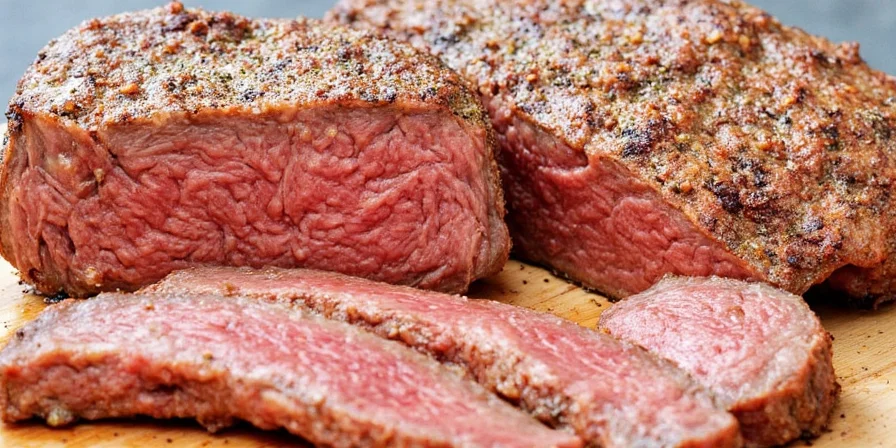
How to Season Steak Properly: The Simple 3-Step Method That Works Every Time
For perfect steak seasoning, use this proven method: First, apply kosher salt 40-60 minutes before cooking (1 teaspoon per pound). Second, add freshly ground black pepper and other dry spices 15-20 minutes before cooking. Third, apply sugar-based ingredients only during the final sear to prevent burning. This timing aligns with how different compounds penetrate meat at molecular levels, creating evenly seasoned steak with maximum flavor.
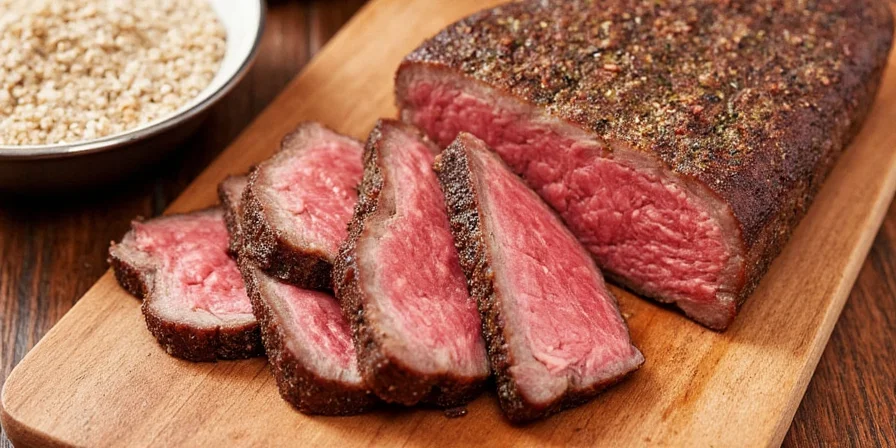
Properly seasoned steak shows even crust formation and internal flavor penetration, not just surface seasoning.
Why Most People Season Steak Wrong (And How to Fix It)
Most home cooks make three critical mistakes: applying all seasonings at once, using table salt instead of kosher salt, and seasoning too close to cooking time. These errors prevent flavor from penetrating beyond the surface, resulting in unevenly seasoned steak with compromised texture.
The Simple Steak Seasoning Timeline Everyone Should Follow
Follow this science-backed timing for perfect seasoning every time:
- 60 minutes before cooking: Apply kosher salt only (1 tsp per pound)
- 20 minutes before cooking: Add black pepper and dry spices
- During final sear: Apply sugar-based ingredients
- After cooking: Finish with flaky sea salt for texture
This sequence works because salt needs time to penetrate (40+ minutes), while sugar burns if applied too early. Pepper compounds penetrate moderately but lose potency if applied too far in advance.
| Time Before Cooking | Seasoning Ingredients | Why This Timing Works |
|---|---|---|
| 40-60 minutes | Kosher salt only | Salt ions need time to penetrate meat fibers through osmosis |
| 15-20 minutes | Pepper, paprika, garlic powder | Moderate penetration compounds need some time but burn if too early |
| During sear | Brown sugar, honey | Sugar molecules stay on surface and burn if applied too soon |
| After cooking | Finishing salt | Provides texture contrast without dissolving into meat |
Best Steak Seasoning Blend for Beginners
For foolproof results, use this simple 4-ingredient blend that works with any cut:
- 2 parts kosher salt
- 1 part freshly ground black pepper
- ½ part garlic powder
- ¼ part smoked paprika
Mix thoroughly and apply using the timeline above. This ratio creates balanced flavor without overpowering the natural beef taste. For a 16oz steak, use 1.5 teaspoons of this blend (with salt applied separately 40 minutes prior).
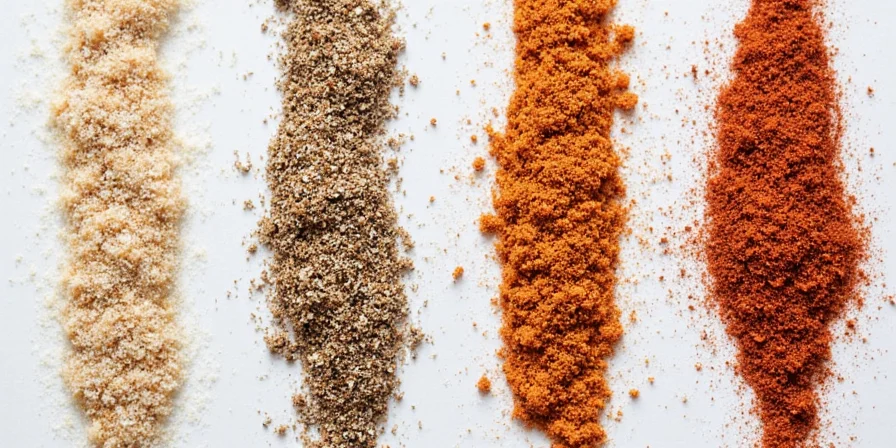
Simple 4-ingredient blend provides perfect balance for most steak cuts.
Cut-Specific Seasoning Recommendations
Different cuts need different approaches. Follow these guidelines for best results:
| Steak Cut | Salt Amount | Additional Seasoning | Cooking Tip |
|---|---|---|---|
| Ribeye | 1.5 tsp per pound | Pepper + garlic powder only | Reduce other seasonings - fat carries flavor naturally |
| New York Strip | 1.25 tsp per pound | Full seasoning blend | Ideal for complete seasoning approach |
| Filet Mignon | 1 tsp per pound | Pepper + finishing salt only | Delicate flavor needs minimal seasoning |
| Flank/Skirt | 1.5 tsp per pound | All seasoning + acid (citrus) | Acid helps tenderize these lean cuts |
Common Steak Seasoning Mistakes to Avoid
Steer clear of these frequent errors that ruin good steak:
- Mistake: Using table salt instead of kosher salt
Solution: Kosher salt's larger crystals provide better control and even distribution - Mistake: Adding all seasonings at the same time
Solution: Follow the timed application method based on compound chemistry - Mistake: Seasoning right before cooking
Solution: Salt needs 40+ minutes to properly penetrate the meat - Mistake: Using fresh garlic in rubs
Solution: Garlic powder provides consistent flavor without burning - Mistake: Applying sugar-based rubs too early
Solution: Sugar should only be applied during the final searing phase
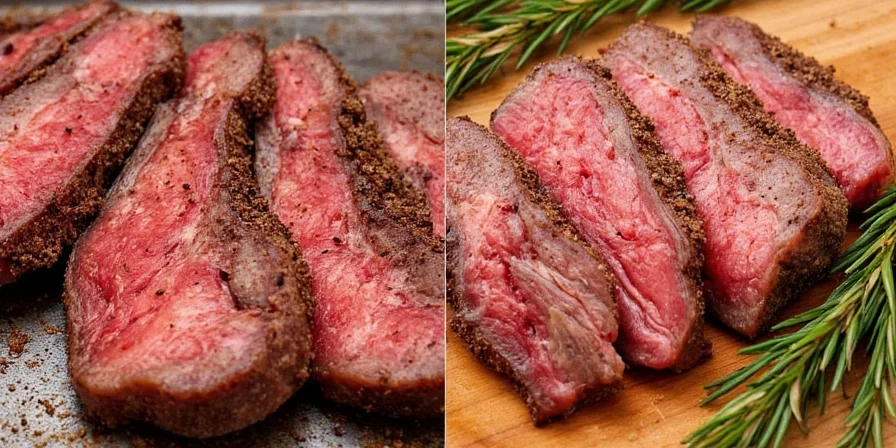
Press seasoning gently into the surface - enough to adhere but not damage the meat.
Frequently Asked Questions
Q: How long before cooking should I salt my steak?
A: Apply salt 40-60 minutes before cooking. This gives salt enough time to penetrate beyond the surface layer through osmosis, creating evenly seasoned meat rather than just salty exterior.
Q: Can I use fresh garlic instead of garlic powder?
A: Fresh garlic burns easily at high temperatures, creating bitter flavors. Garlic powder provides consistent flavor without burning risks and distributes more evenly in dry rubs.
Q: Do I need to oil the steak before seasoning?
A: Lightly oiling before seasoning helps dry spices adhere better, but isn't necessary if you're following the timed salt application method. If using oil, apply after salt but before other seasonings.
Q: What's the best salt for steak seasoning?
A: Kosher salt is ideal due to its crystal size and purity. Avoid table salt (contains anti-caking agents) and be cautious with sea salt (mineral content varies). Diamond Crystal brand is preferred by most chefs for consistent results.
Q: Should I season both sides of the steak?
A: Yes, season all surfaces including the edges, especially the fat cap. The fat cap requires double seasoning as vertical surfaces lose compounds faster during cooking due to gravitational runoff.
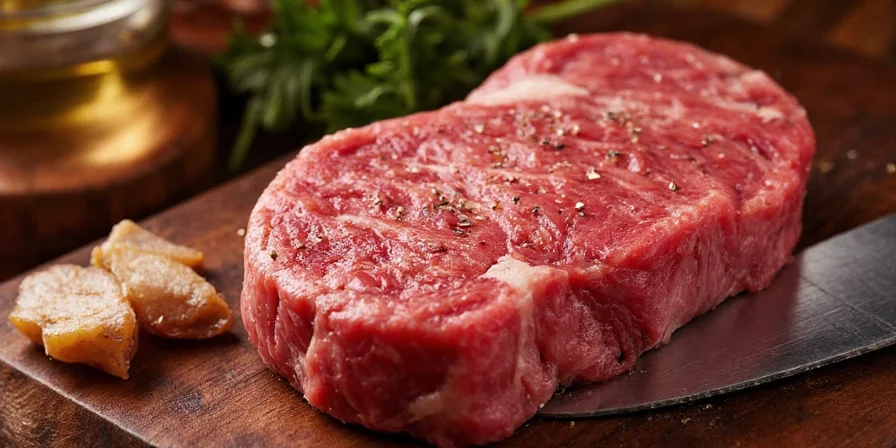
Properly seasoned steak shows even flavor distribution from edge to center.




 浙公网安备
33010002000092号
浙公网安备
33010002000092号 浙B2-20120091-4