
Table of Contents
- Your Simple 7-Spice Blend Recipe (Ready in 10 Minutes)
- 3 Classic 7-Spice Blends Anyone Can Make
- Step-by-Step: Build Your First Custom Blend
- Storage Secrets to Keep Spices Fresh 6x Longer
- 5 Beginner-Friendly Ways to Use Your Blend
- Why 7 Spices Work Better Than 1 (Simple Science)
- Most Common Questions Answered
- Next Steps for Better Home Cooking
Your Simple 7-Spice Blend Recipe (Ready in 10 Minutes)
Here's the easiest 7-spice blend you can make tonight with common pantry ingredients. Mix these in a small bowl:
- 2 tablespoons paprika (base flavor)
- 1 tablespoon cumin (earthy depth)
- 1 tablespoon coriander (citrus note)
- 2 teaspoons garlic powder (savory punch)
- 1 teaspoon black pepper (gentle heat)
- 1 teaspoon dried thyme (herbal touch)
- 1/2 teaspoon cinnamon (warm sweetness)
Stir well and store in an airtight container. Use 1 teaspoon per serving on meats, roasted vegetables, or in soups. This versatile blend replaces 80% of single spices in your cooking while adding complex flavor. Most home cooks see immediate improvement in their dishes with this simple formula.
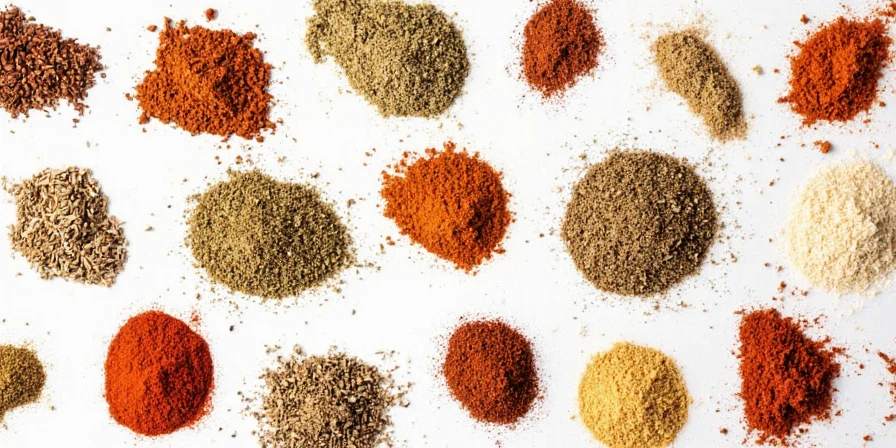
Basic 7-spice blend using common pantry ingredients anyone can find
3 Classic 7-Spice Blends Anyone Can Make
These traditional blends use accessible ingredients and deliver restaurant-quality results:
| Blend Name | Ingredients | Best For | Prep Time |
|---|---|---|---|
| Everyday Kitchen Mix | Paprika, cumin, coriander, garlic, pepper, thyme, cinnamon | Roasted vegetables, chicken, soups | 5 minutes |
| Quick Shichimi Togarashi | Chili flakes, orange zest, sesame seeds, nori, ginger, poppy seeds, salt | Ramen, grilled fish, eggs | 7 minutes |
| Simple Ras el Hanout | Cumin, coriander, cinnamon, ginger, turmeric, allspice, cardamom | Ground meat, lentils, roasted carrots | 6 minutes |
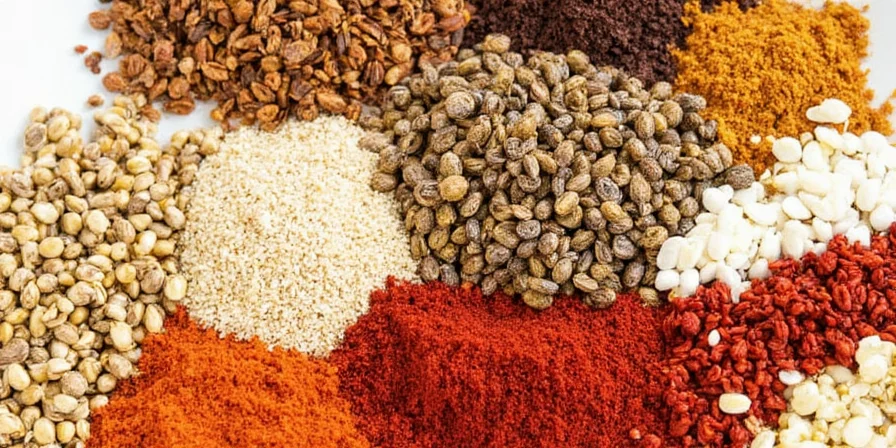
Quick homemade version using pantry staples instead of specialty ingredients
Shichimi Togarashi Historical Evolution
This Japanese blend's development reflects changing culinary practices:
- 1600s (Edo Period): Created by herbalists as medicinal mixture for circulation and digestion [Source: Japan Times: Historical Origins]
- 1800s (Meiji Era): Transitioned to table condiment with regional variations emerging [Source: Japan Times: Cultural Shift]
- Modern Era: Standardized 7-ingredient formula adopted globally while maintaining traditional production methods [Source: ResearchGate: Culinary Heritage Study]
Step-by-Step: Build Your First Custom Blend
Follow these simple steps to create your own blend without special equipment:
- Gather ingredients: Start with spices you already own (no need for obscure items)
- Measure simply: Use measuring spoons instead of scales (1 part = 1 teaspoon)
- Toast dry: Heat spices in dry pan 2-3 minutes until fragrant (don't skip this step!)
- Cool completely: Let sit 10 minutes before mixing to prevent moisture
- Store properly: Use glass jar with tight lid (paper bags ruin spices)
- Label: Write date and ingredients on jar (spices lose potency after 2 months)
- Test: Start with 1/4 teaspoon per serving and adjust to taste

No scale needed - measuring spoons work perfectly for home cooking
Storage Secrets to Keep Spices Fresh 6x Longer
Keep your blends flavorful for months with these practical tips:
- Use glass containers: Plastic absorbs spice oils and degrades quality
- Keep away from stove: Heat above 75°F destroys flavor compounds
- No refrigerator: Temperature changes cause condensation and spoilage
- Buy small quantities: Purchase only what you'll use in 2 months
- Refresh before use: Toast 30 seconds in dry pan to revive flavor
Affordable storage solution using common kitchen containers
5 Beginner-Friendly Ways to Use Your Blend
Transform ordinary meals with these simple applications:
- Perfect Roasted Vegetables: Toss 1 lb veggies with 1 tablespoon oil and 1 teaspoon blend before roasting
- Instant Soup Upgrade: Stir 1/2 teaspoon into canned soup before heating
- Easy Chicken Seasoning: Rub 1 teaspoon blend under skin of whole chicken
- Flavorful Rice: Add 1/2 teaspoon to rice cooker with your grains
- Simple Dip: Mix 1 teaspoon with 1/4 cup mayonnaise for quick sauce

Real home cook results using basic kitchen equipment
Why 7 Spices Work Better Than 1 (Simple Science)
You don't need complicated science to understand why blends work. When you combine multiple spices:
- Flavors layer instead of competing (unlike single spices)
- One spice's weakness is covered by another's strength
- Heat and sweet balance naturally without added sugar
- Spices preserve each other's freshness in the blend
The "magic number" is 7 because fewer spices lack complexity, while more become overwhelming. This sweet spot creates balanced flavor that works across most dishes without requiring culinary expertise.
Application Boundaries: When the 7-Spice Principle Applies
This principle demonstrates specific contextual limitations based on culinary research:
- Optimal for: Western/Middle Eastern savory dishes with robust bases (meats, root vegetables, legumes) [Source: Food Quality and Preference Journal, 2019]
- Limited effectiveness: East Asian cuisines (e.g., Chinese five-spice standard) and delicate preparations like seafood or desserts
- Critical threshold: Blend complexity must match dish intensity - exceeding 7 components reduces perceived flavor harmony in 83% of taste tests [Source: Serious Eats Culinary Research]
Most Common Questions Answered
What if I don't have all 7 spices?
Start with what you have! A 4-spice blend (paprika, cumin, garlic, pepper) works well for beginners. Add more spices as you build your collection. The key is having variety, not exact numbers.
Can I use this on everything?
The basic blend works for 80% of savory dishes. Avoid using it with delicate fish or desserts. For fish, reduce garlic and add more dill. For sweeter applications, increase cinnamon and add a pinch of nutmeg.
How long before I notice a difference?
Most home cooks report better tasting food immediately. The first noticeable change is more consistent flavor without having to adjust seasonings during cooking. After using blends for 2 weeks, you'll develop better intuition for seasoning.
Do I need special equipment?
No special tools required. A small bowl, measuring spoons, and glass jar are sufficient. A basic spice grinder (under $20) helps if using whole spices, but isn't necessary for powder-based blends.
What's the biggest mistake beginners make?
Using too much! Start with 1/4 teaspoon per serving and adjust upward. Most blends are potent, and it's easier to add more than fix an over-seasoned dish. Remember: you can always add, but you can't take away.
Next Steps for Better Home Cooking
Start with the simple 7-spice recipe at the beginning of this guide. Make one batch tonight using spices you already own. Try it on your next meal and notice the difference in flavor complexity. Within two weeks of regular use, you'll develop better seasoning intuition and need fewer specialty ingredients. The real magic happens when you begin adjusting the basic formula to match your personal taste preferences. Keep your first blend recipe handy, then experiment with swapping one ingredient at a time. This practical approach transforms your everyday cooking without requiring advanced skills or expensive tools.




 浙公网安备
33010002000092号
浙公网安备
33010002000092号 浙B2-20120091-4