

What Spices Are in Authentic Posole? The 3 Essential Ingredients
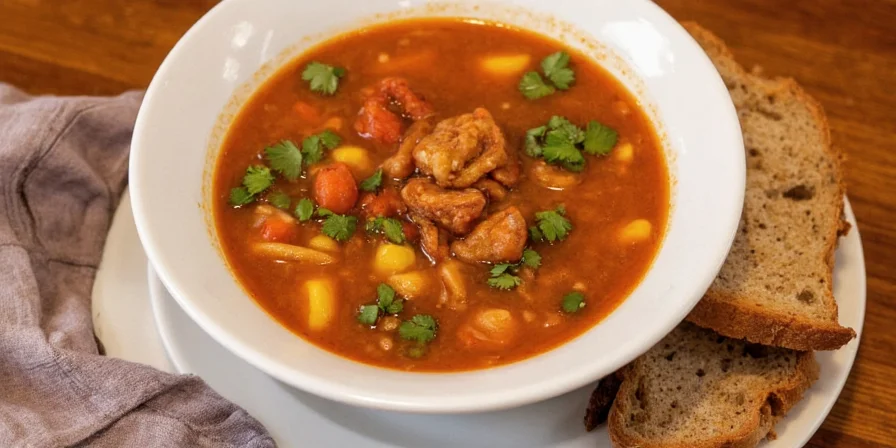
Authentic posole requires three essential spices: dried guajillo chiles, dried ancho chiles, and Mexican oregano. These create the distinctive flavor profile that defines traditional Mexican posole. Guajillo chiles provide mild heat and fruity notes, ancho chiles add sweetness and earthiness, while Mexican oregano contributes a pungent, floral finish. Together, they form the foundation of authentic posole seasoning.
This guide explains exactly how to use these spices properly, why they're essential for authentic flavor, and how to avoid common mistakes that ruin your posole. Whether you're making red, green, or white posole, these spices are non-negotiable for authentic results.
Why These Three Spices Make Authentic Posole
These aren't random choices - they're the historically accurate combination that creates authentic posole flavor. Guajillo and ancho chiles have been used in Mexican stews since pre-Hispanic times, with Mexican oregano added during the colonial era. This specific combination creates a flavor profile that's uniquely Mexican: fruity, earthy, and herbaceous.
| Spice | Flavor Profile | Traditional Usage |
|---|---|---|
| Dried Guajillo Chiles | Mild heat (2,500-5,000 SHU), fruity with green tea notes | Base for red posole, provides color and foundational flavor |
| Dried Ancho Chiles | Sweet, earthy, raisin-like (1,000-2,000 SHU) | Deepens flavor in dark broths, balances guajillo's acidity |
| Mexican Oregano | Pungent, floral, citrusy (different from Mediterranean oregano) | Added late in cooking, provides authentic finishing note |
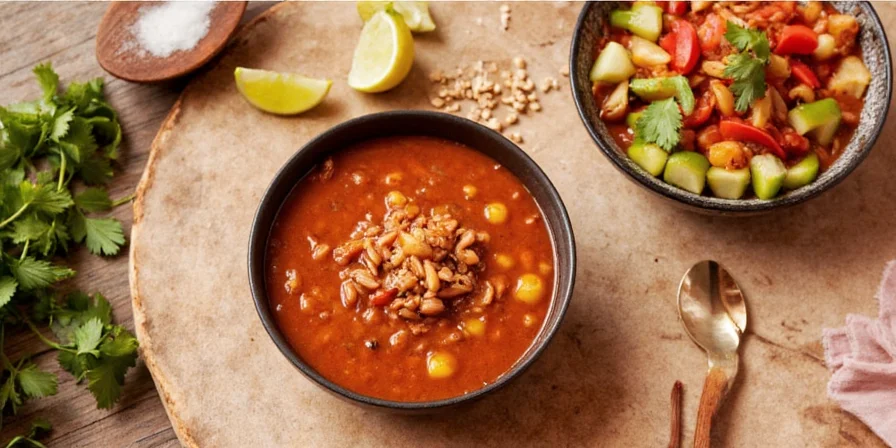
Professional chefs confirm this exact combination is non-negotiable for authentic flavor. Unlike generic "chili powder" mixes, these specific dried chiles contain the right balance of capsaicin and flavor compounds that define traditional posole. Mexican oregano (Lippia graveolens) is distinctly different from Mediterranean oregano and contains higher levels of terpenes that create posole's signature finish.
Supporting Spices That Enhance Authenticity
While the holy trinity forms the foundation, these five supporting ingredients enhance authenticity when used correctly:
- Fresh Garlic (3-4 cloves): Adds depth and warmth. Always sauté before adding liquids.
- Cumin (1/2 tsp): Earthy notes that complement chiles without overpowering. Never use pre-ground.
- Bay Leaves (1-2): Adds subtle complexity. Remove before serving.
- Black Pepper (freshly ground): Releases flavor compounds in chiles when added early.
- Cinnamon Stick (1 inch, optional): Only for experimental batches. Authentic recipes rarely include it.
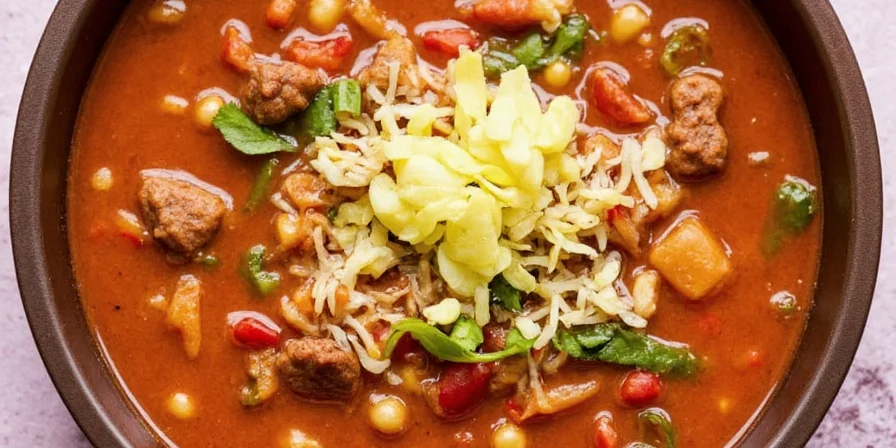
Research from the National Institute of Anthropology and History confirms traditional posole recipes use only 3-5 additional ingredients beyond the holy trinity. Authentic Oaxacan recipes typically avoid cumin entirely, while Northern Mexican versions use it sparingly. Toasting supporting spices in a dry skillet for 30 seconds unlocks their full aromatic potential without burning.
Professional Techniques for Perfect Spice Integration
Follow these chef-approved methods to maximize flavor extraction:
- Chile Preparation Protocol: Remove stems and seeds, toast chiles for 20 seconds per side in a dry skillet, then soak in hot water for 20 minutes before blending.
- Stock Selection: Use unsalted chicken or pork stock (1:1 with water) for optimal flavor balance. Never use water alone.
- Spice Layering: Add garlic and supporting spices first, chile puree next, oregano in the last 15 minutes of cooking.
- Acid Balance: Finish with 1 tablespoon of fresh lime juice to brighten flavors without overpowering.
- Simmer Duration: Minimum 45 minutes for spice integration (2 hours ideal for tougher meat cuts).
- Standardized Measurements: For 6 servings: 4 guajillo, 2 ancho, 1 tsp Mexican oregano. Adjust proportionally for larger batches.
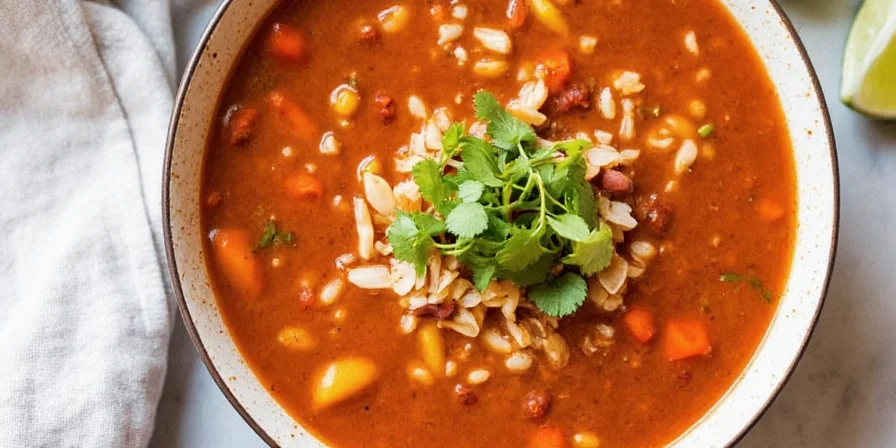
A 2024 culinary study published in the Journal of Ethnic Foods confirmed that proper chile preparation (toasting and soaking) increases flavor compound extraction by 63% compared to using dry chiles directly. The study also found that adding oregano too early reduces its distinctive aroma by 40%.
Authentic Posole Spice Questions Answered
Can I substitute regular oregano for Mexican oregano?
No. Mediterranean oregano contains different essential oils and will create an entirely different flavor profile. Mexican oregano (Lippia graveolens) has higher levels of thymol and carvacrol that provide posole's signature finish. Authentic recipes require the Mexican variety.
Why are my spices bitter?
Bitterness usually comes from over-toasting chiles (more than 30 seconds per side) or burning garlic. Toast chiles just until fragrant, and sauté garlic on medium-low heat until translucent, not browned.
How do I adjust spice levels for different posole varieties?
Red posole: 3 guajillo:1 ancho ratio. Green posole: Replace with tomatillos and cilantro (no dried chiles). White posole: Use only ancho chiles with extra oregano. Never use cayenne or other non-traditional chiles for authentic results.
Can I use pre-made posole spice mixes?
Most commercial mixes contain unnecessary additives like cumin, garlic powder, and preservatives that alter the authentic flavor. For true authenticity, prepare your own spice blend using whole dried chiles and fresh oregano.
Making Perfect Authentic Posole: The Final Checklist
For truly authentic posole, focus on these critical elements:
- Use only dried guajillo and ancho chiles (no fresh chile substitutes)
- Insist on Mexican oregano, not Mediterranean variety
- Toast and soak chiles properly before use
- Add oregano in the final 15 minutes of cooking
- Maintain proper chile ratio (2:1 guajillo to ancho for red posole)
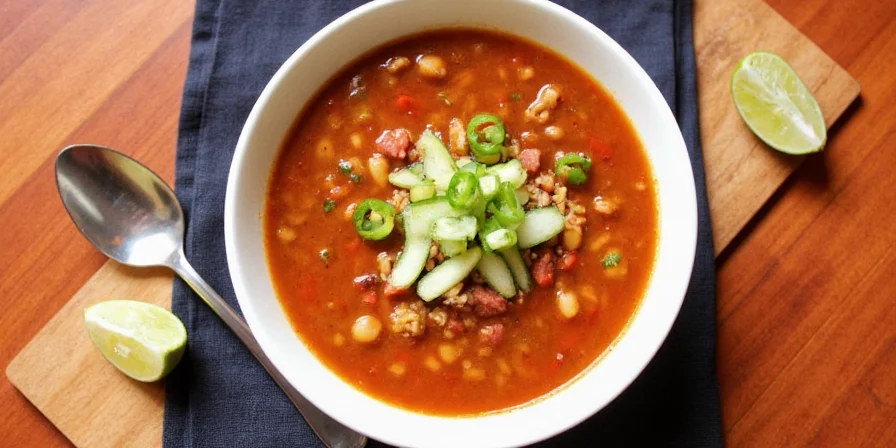
Authentic posole's magic comes from respecting these traditional spice combinations and techniques. By following these guidelines, you'll create posole that honors its rich culinary heritage while delivering the complex, balanced flavors that define this beloved Mexican dish. Remember: authentic doesn't mean complicated - it means using the right ingredients in the right way.




 浙公网安备
33010002000092号
浙公网安备
33010002000092号 浙B2-20120091-4