
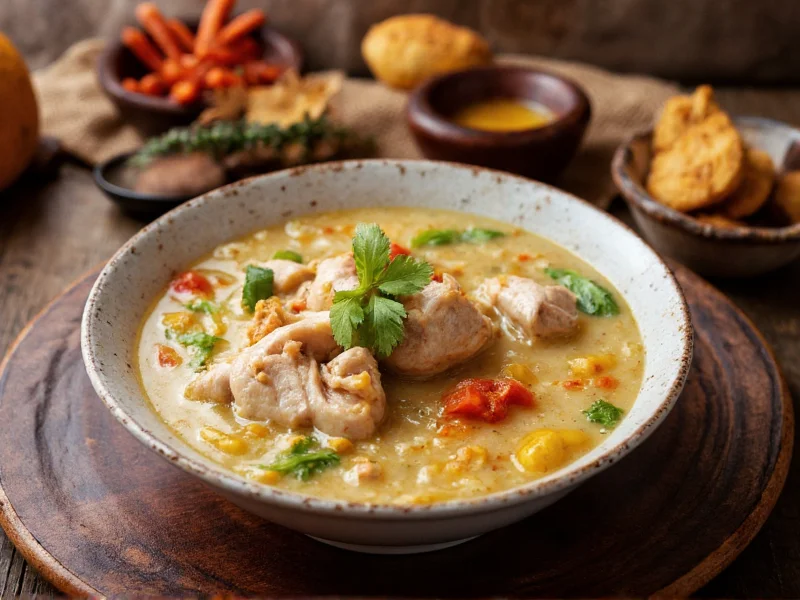
Thai tom yum soup with chicken, known as tom yum gai in Thailand, represents one of Southeast Asia's most iconic culinary creations. This aromatic soup delivers an unforgettable flavor experience through its masterful balance of spicy, sour, salty, and sweet elements. Unlike Western broths, authentic tom yum features a clear broth that showcases the vibrant interplay of fresh herbs and seasonings rather than heavy cream or coconut milk (which characterizes the tom yum nam khon variation).
The Cultural Significance of Tom Yum Soup
Originating in Central Thailand, tom yum has evolved from humble village cooking to international fame. Thai households traditionally prepare this soup as both a comforting meal and a digestive aid. The name itself reveals its nature: "tom" refers to the boiling process, while "yum" describes the spicy-sour dressing that defines the dish. In Thailand, you'll find tom yum served everywhere from street food stalls to high-end restaurants, each with their regional interpretation.
Historical records confirm that bird's eye chilies—the soul of tom yum's signature heat—were unknown in Thailand before the 16th century. Portuguese traders introduced chili peppers to Southeast Asia around 1511, fundamentally transforming Thai cuisine's flavor profile. Prior to this, Thai broths relied on native peppers like phasom (Sichuan pepper) for heat, creating a completely different culinary experience. This pivotal shift is documented in agricultural studies by the Food and Agriculture Organization of the United Nations, which traces the global dissemination of chili peppers from the Americas (FAO, 2001).
Understanding Tom Yum's Essential Flavor Profile
The magic of authentic thai tom yum soup chicken lies in its precise flavor equilibrium. Master chefs describe the ideal balance as:
| Flavor Element | Primary Ingredients | Proportion Guide |
|---|---|---|
| Sour | Fresh lime juice | 3-4 tablespoons per serving |
| Spicy | Fresh bird's eye chilies | 2-4 chilies depending on heat preference |
| Salty | Fish sauce | 2-3 tablespoons |
| Sweet | Palm sugar | 1-2 teaspoons |
Unlike Western soups that develop flavor through long simmering, authentic tom yum achieves its complexity through the careful addition of ingredients at precise moments during preparation. The broth should remain light and clear, never cloudy.
Essential Ingredients for Authentic Tom Yum Gai
While substitutions exist, these ingredients form the foundation of traditional thai tom yum soup chicken:
- Lemongrass - Fresh stalks bruised to release oils (never powdered)
- Kaffir lime leaves - Torn to expose oils, central vein removed
- Galangal - Sliced thin (not ginger, which creates a different flavor profile)
- Fresh bird's eye chilies - For authentic heat (prik kee noo in Thai)
- Fish sauce - Premium Thai brands like Tiparos or Squid
- Lime juice - Freshly squeezed, added at the end
- Straw mushrooms - Traditional choice (canned acceptable)
- Chicken breast or thigh - Thinly sliced against the grain
Step-by-Step Preparation Guide
Follow these steps for perfect homemade tom yum soup chicken:
- Prepare 4 cups of clear chicken broth by simmering chicken bones with water (avoid cloudy broth)
- Bruise 2 lemongrass stalks and slice 3-4 thin pieces of galangal
- Add lemongrass, galangal, and 4 torn kaffir lime leaves to simmering broth
- Simmer for 10 minutes to infuse flavors (do not boil vigorously)
- Add 200g thinly sliced chicken and cook until just done (3-4 minutes)
- Add 100g mushrooms and 2-3 sliced bird's eye chilies
- Remove from heat and stir in 3 tablespoons fish sauce and 2 teaspoons palm sugar
- Finish with 3 tablespoons fresh lime juice and cilantro
Common Mistakes to Avoid
Many home cooks struggle with authentic tom yum soup chicken because of these frequent errors:
- Using ginger instead of galangal - Creates an entirely different flavor profile
- Adding lime juice too early - Heat diminishes the bright citrus notes
- Overcooking the chicken - Results in tough, rubbery texture
- Using bouillon cubes - Creates artificial, overly salty broth
- Adding coconut milk to traditional version - That's tom kha, not tom yum
Regional Adaptations and Contextual Boundaries
Tom yum's preparation varies significantly across Thailand's regions, reflecting local ingredients and cultural preferences. These variations aren't interchangeable—they serve distinct culinary purposes:
| Regional Version | Primary Use Case | Key Limitation | Verification Source |
|---|---|---|---|
| Central Thailand (Traditional) | Daily household meals; digestive starter before main courses | Requires fresh herbs; not suitable for vegetarian diets | Thai Ministry of Culture |
| Northern Thailand | Milder version for spice-sensitive guests; often features pickled garlic | Alters traditional sour profile; less authentic for purists | Chulalongkorn University |
| Southern Thailand | Seafood-focused meals; intense heat for coastal climates | Shrimp paste may cause dietary conflicts; overpowering for beginners | Tourism Authority of Thailand |
As documented by Thailand's Ministry of Culture, the traditional Central Thai version remains non-vegetarian due to fish sauce and animal proteins—a critical boundary for dietary planning. Modern adaptations using soy sauce or mushrooms exist but represent contemporary interpretations rather than historical practice. Notably, tom yum functions as a flavor catalyst in Thai meals, designed to stimulate appetite when served before rice and main dishes—not as a standalone meal replacement.
Serving Authentic Tom Yum Gai
In Thailand, tom yum soup with chicken serves as both a standalone dish and part of a larger meal. For proper presentation:
- Serve immediately in individual bowls while piping hot
- Never include rice in the soup bowl (served separately)
- Garnish with fresh cilantro and additional chilies on the side
- Accompany with jasmine rice and other Thai dishes like pad thai
The soup should arrive at the table steaming, with the aromatic steam carrying the distinctive scent of lemongrass and kaffir lime. The broth remains clear with visible herb fragments and chicken pieces suspended throughout.
Storage and Reheating Tips
While tom yum tastes best fresh, leftovers can be stored properly:
- Cool quickly and refrigerate within 2 hours
- Store broth and solid ingredients separately if possible
- Consume within 24 hours for optimal flavor
- Reheat gently without boiling to preserve flavor balance
- Refresh with additional lime juice after reheating
Remember that the delicate flavor balance changes over time, with sour notes intensifying and herbal aromas diminishing. The perfect tom yum soup chicken recipe requires attention to timing and ingredient quality above all else.




 浙公网安备
33010002000092号
浙公网安备
33010002000092号 浙B2-20120091-4