
Thai Tea Powder Decoded: 7 Secrets Behind This Spicy-Sweet Sensation
Imagine sipping a warm, creamy drink that hits you with a rush of cinnamon, star anise, and something you can’t quite put your finger on. That’s Thai tea powder for you — a mysterious mix of spices and flavor magic in a bag. Whether you’re a spice newbie or a seasoned pro who can tell clove from allspice blindfolded, this guide is your backstage pass to the world of Thai tea powder.
目录
- What Exactly Is Thai Tea Powder?
- Why Thai Tea Powder Isn’t Just for Thailand
- The Spice Lineup: Who’s in the Mix?
- How to Use Thai Tea Powder Like a Pro
- Homemade vs Store-Bought: Which One Wins?
- Spice Safety & Storage Tips
- Spice It Up: Creative Uses Beyond Tea
What Exactly Is Thai Tea Powder?
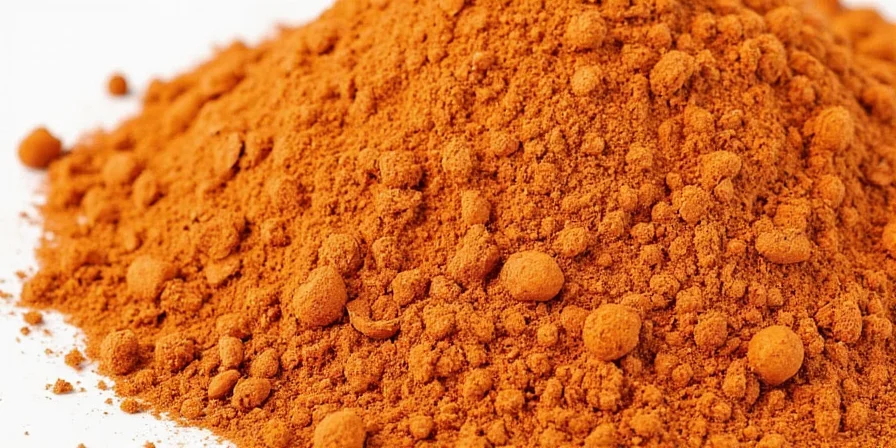
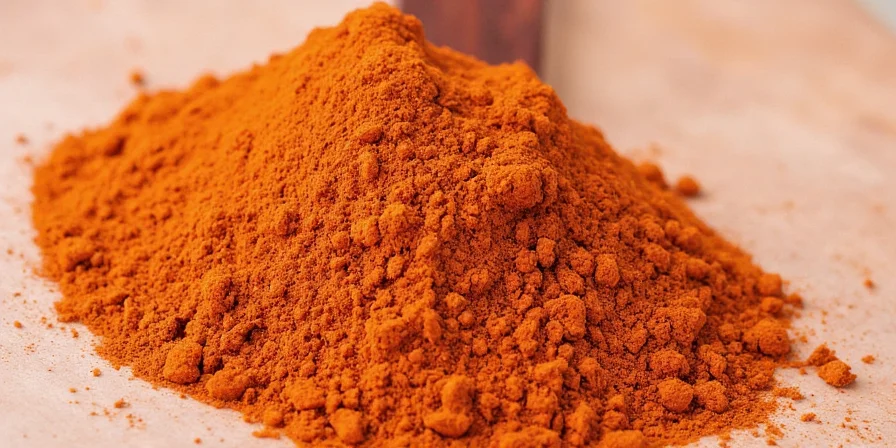
At first glance, Thai tea powder might look like just another spice blend — but dig deeper, and you’ll find it’s more like a culinary orchestra. It's a pre-mixed combo of black tea leaves and a medley of aromatic spices, sometimes including dried herbs and even food coloring (yes, really). The result? A vibrant orange-red brew with a creamy texture and a punchy, sweet-spicy finish thanks to condensed milk or sugar.
| Ingredient | Typical Use | Flavor Profile |
|---|---|---|
| Black Tea Base | Main body of the drink | Bold, slightly bitter, earthy |
| Cinnamon | Warms up the flavor | Woody, sweet, spicy |
| Star Anise | Unique licorice-like note | Sweet, aromatic, bold |
| Cardamom | Floral complexity | Fragrant, citrusy, herbal |
| Cloves | Intense spiciness | Pungent, sharp, woody |
Why Thai Tea Powder Isn’t Just for Thailand
You’d be forgiven for thinking Thai tea powder is only popular in Thailand — after all, the name says it all. But this spice blend has taken the world by storm, showing up in cafes and kitchens across Southeast Asia, North America, and beyond. Why? Because it’s bold, versatile, and easy to use. Plus, it delivers a powerful flavor hit without needing a PhD in spice blending.
The Spice Lineup: Who’s in the Mix?
Let’s break down the most common players in Thai tea powder:
- Cinnamon: Adds warmth and sweetness
- Star Anise: Brings a licorice kick that’s impossible to ignore
- Cardamom: Offers floral and citrusy notes
- Cloves: Sharp, pungent, and intensely aromatic
- Black Peppercorns (optional): Adds subtle heat and depth
- Nutmeg/Mace (occasionally): For extra richness
Pro Tip: Some blends also include dried orange peel or safflower petals for color and extra aroma!
How to Use Thai Tea Powder Like a Pro
Using Thai tea powder is as simple as steeping it in hot water, then adding sweetener and milk. But if you want to take your game to the next level, here are some advanced tips:
- Dilute it with coconut milk for a vegan-friendly twist.
- Brew it strong first, then chill it for iced Thai tea.
- Add a dash of salt to balance out the sweetness.
- Use evaporated milk instead of regular milk for that signature creaminess.
- Shake it like a cocktail — seriously! Pour it into a shaker with ice and shake it hard before serving over ice.
Homemade vs Store-Bought: Which One Wins?
Store-bought Thai tea powder is convenient and reliable. But if you're feeling adventurous, making your own gives you full control over the flavor profile and quality of ingredients.
| Aspect | Store-Bought | Homemade |
|---|---|---|
| Convenience | ✅ Quick and ready to go | ❌ Requires prep time |
| Customization | ❌ Limited options | ✅ You decide the strength |
| Cost | ✅ Often cheaper per batch | ❌ Can get pricey with premium spices |
| Flavor Control | ❌ Pre-set blend | ✅ Tweak to your taste |
Spice Safety & Storage Tips
Thai tea powder contains delicate spices that degrade over time. To keep it fresh:
- Store in an airtight container away from light and moisture.
- Keep it cool — no fridge needed, but avoid stovetops or sunny windowsills.
- Label your homemade batches so you know when they were made.
- Aim for freshness within 6 months for best flavor.
- If clumping occurs, add a silica packet to absorb moisture.
Spice It Up: Creative Uses Beyond Tea
Don’t let Thai tea powder sit idle in your pantry. Here are some genius ways to put it to work:
- Baked Goods: Add a teaspoon to muffins, cakes, or cookies for a warm spice boost.
- Smoothies: Sprinkle into your morning smoothie for a chai-like kick.
- Ice Cream: Mix into homemade vanilla base for a unique frozen treat.
- Spice Rubs: Blend with chili powder and paprika for a sweet-spicy meat rub.
- Cocktails: Infuse spirits like rum or bourbon with Thai tea powder for exotic cocktails.
总结
Thai tea powder isn't just a convenience item — it's a gateway to bold flavors, cultural traditions, and endless culinary experimentation. Whether you buy it off the shelf or craft your own blend, this spice-powered wonder deserves a permanent spot in your kitchen. So grab your favorite mug, steep up a storm, and let the spices do their thing.
Remember: Thai tea powder is more than just a beverage; it’s a lifestyle. Now go out there and brew something amazing!




 浙公网安备
33010002000092号
浙公网安备
33010002000092号 浙B2-20120091-4