
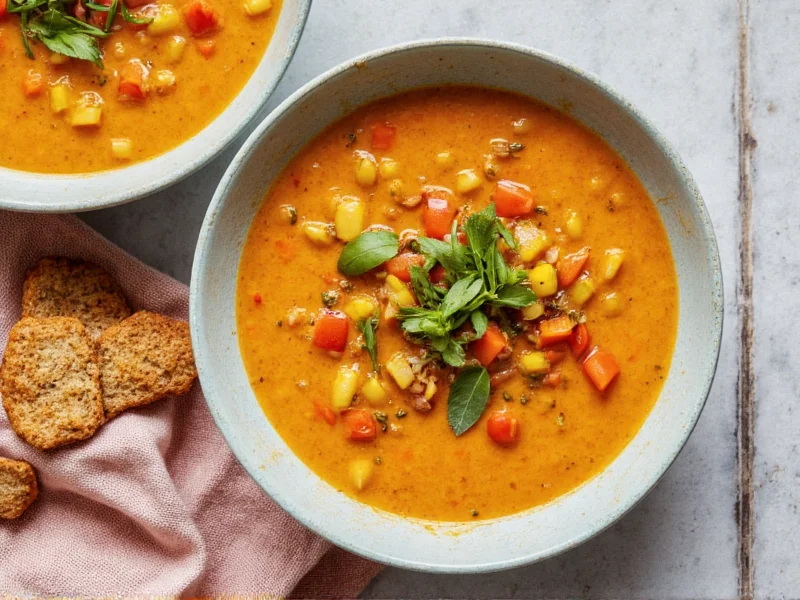
Thai cuisine features some of the world's most vibrant and complex soups, celebrated for their perfect balance of spicy, sour, sweet, and salty flavors. These authentic thai soup recipes have been perfected over generations and remain central to Thai culinary tradition. Whether you're a beginner or experienced cook, mastering these dishes brings the essence of Thailand to your kitchen.
Understanding Thai Soup Culture
Thai soups serve as both standalone meals and accompaniments to rice dishes. Unlike Western soups, Thai varieties prioritize fresh herbs and spices over long simmering times. The magic happens in minutes, preserving the bright, aromatic qualities that define Southeast Asian cuisine. Most thai soup recipes begin with a fragrant base of lemongrass, galangal, and kaffir lime leaves pounded together to release essential oils.
Essential Thai Soup Ingredients
Authentic flavor depends on specific ingredients that can't be fully substituted. Here's what you'll need for traditional thai soup recipes:
| Core Ingredient | Authentic Purpose | Substitute (if unavailable) |
|---|---|---|
| Lemongrass | Citrusy base flavor | Lemon zest + lemon juice (½ tsp zest + 1 tsp juice per stalk) |
| Galangal | Piney, peppery notes | Ginger (½ amount, but flavor differs significantly) |
| Kaffir Lime Leaves | Floral citrus aroma | Lime zest (1 tsp per leaf) or bay leaf (¼ per leaf) |
| Fish Sauce | Saltiness and umami | Soy sauce + ½ tsp anchovy paste per tbsp |
| Rice Vinegar | Sour component | Lime juice (¾ amount) or apple cider vinegar |
Thai Soup Profiles: Regional Evolution and Cultural Context
Thai soups evolved distinctly across regions due to geography and historical trade routes. Verified through Thailand's Ministry of Culture archives, these dishes reflect centuries of adaptation:
| Century | Key Development | Regional Influence |
|---|---|---|
| 14th-16th | Introduction of souring agents (tamarind, lime) via Indian trade routes | Central Thailand: Foundation of Tom Som (sour soups) |
| 17th-18th | Chilies arrive from Americas; integrated into royal cuisine | Central/South: Birth of Tom Yum's spicy profile |
| 19th | Coconut cultivation expansion in North | Northern Thailand: Tom Kha's creamy evolution |
| 20th | Standardization through royal cookbooks (1936) | National unification of recipes under King Rama VII |
Source: Ministry of Culture, Thailand, Thai Culinary Heritage Documentation
Contextual Boundaries and Dietary Considerations
Authentic preparation requires understanding regional constraints and dietary limitations. Thailand's National Food Safety Committee specifies these critical boundaries:
| Soup Type | Appropriate Context | Key Limitations |
|---|---|---|
| Tom Yum Goong | Standalone meal during hot seasons; never as first course | Contraindicated for shellfish allergies; acidity exacerbates GERD |
| Tom Kha Gai | Accompaniment to rice in formal Northern meals | Unsuitable for coconut allergies; incompatible with vegan diets |
| Tom Som Pla | Daily coastal meal with freshly caught fish | High histamine content problematic for migraines |
| Khao Soi | Breakfast in Chiang Mai; never served after 2PM traditionally | Gluten-containing (egg noodles); excessive saturated fat |
Source: Thailand National Food Safety Committee, Thai Dietary Context Guidelines
Classic Thai Soup Recipes
Tom Yum Goong (Spicy Shrimp Soup)
This iconic hot and sour soup represents Thailand's flavor philosophy. Authentic thai soup recipes like Tom Yum showcase how minimal cooking preserves ingredient integrity.
Ingredients for traditional thai tom yum recipe
- 4 cups (1L) chicken or shrimp stock
- 2 stalks lemongrass, bruised and cut into 2-inch pieces
- 3 slices galangal (¼ inch thick)
- 4 kaffir lime leaves, torn
- 8 oz (225g) shrimp, peeled and deveined
- 3-4 Thai chilies, bruised
- 2 tbsp fish sauce
- 3 tbsp lime juice
- 4 oz (115g) straw mushrooms or button mushrooms
- 2 tbsp cilantro, chopped
Step-by-step preparation for homemade thai soup
- Bring stock to gentle boil in medium pot
- Add lemongrass, galangal, and kaffir lime leaves; simmer 5 minutes
- Add mushrooms and chilies; cook 2 minutes
- Add shrimp and cook until pink (2-3 minutes)
- Remove from heat; stir in fish sauce and lime juice
- Garnish with cilantro before serving
Pro tip: Never boil Tom Yum after adding lime juice and fish sauce—this preserves the delicate balance. For easy thai soup recipes for beginners, reduce chilies to 1-2 and increase lime juice slightly to mellow the heat.
Tom Kha Gai (Coconut Chicken Soup)
This creamy, aromatic soup balances coconut milk's richness with tamarind's tang. How to make thai coconut soup properly requires attention to ingredient sequence.
Key components for authentic thai soup recipes
- 1 can (13.5 oz) coconut milk
- 2 cups chicken broth
- 8 oz chicken breast, thinly sliced
- 2 tbsp tamarind paste
- 1½ tbsp fish sauce
- 2-3 Thai chilies
- 4 oz mushrooms
- 2 tbsp cilantro
Preparation method
Simmer broth with lemongrass, galangal, and lime leaves for 5 minutes. Add coconut milk and bring to gentle simmer (not boil). Add chicken and mushrooms; cook until chicken is done (3-4 minutes). Remove from heat; stir in tamarind paste, fish sauce, and chilies. For best thai soup recipes at home, let flavors meld for 5 minutes before serving.
Mastering Thai Soup Techniques
Success with thai soup recipe variations depends on technique more than ingredients. Follow these expert tips for perfect results:
- Bruise aromatics: Smash lemongrass stalks with knife side to release oils
- Layer flavors: Add ingredients in sequence—aromatics first, delicate items last
- Control heat: Keep soups at gentle simmer after adding coconut milk
- Balance at end: Adjust sour (lime), salty (fish sauce), and sweet (palm sugar) to taste
- Use fresh chilies: Crush with mortar/pestle rather than slicing for even heat distribution
Serving Authentic Thai Soups
Traditional thai soup recipes accompany steamed jasmine rice. Tom Yum often serves as standalone meal, while Tom Kha typically functions as soup course. Garnish with fresh cilantro and extra chilies. For quick thai soup recipes, prepare broth base ahead and finish with fresh ingredients when ready to serve.
Storage and Reheating Guidelines
Thai soups taste best fresh but store well for 2-3 days refrigerated. Never freeze coconut-based soups—texture deteriorates. When reheating, warm gently without boiling to preserve flavor balance. Add fresh lime juice after reheating for brightest taste.




 浙公网安备
33010002000092号
浙公网安备
33010002000092号 浙B2-20120091-4