
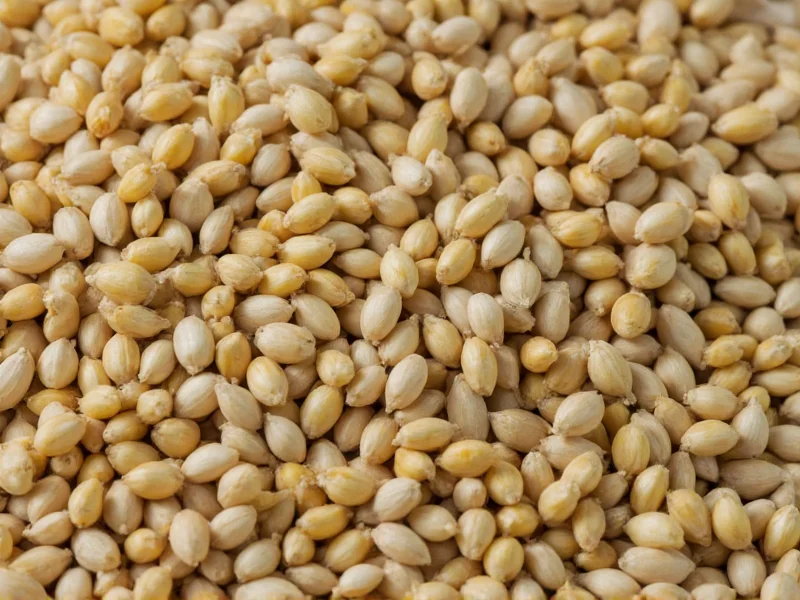
Fennel seeds deliver a unique sensory experience that immediately identifies them in any dish. The primary flavor note is sweet licorice, but unlike pure anise, fennel seeds offer additional complexity with citrusy top notes and earthy undertones. When you bite into a raw fennel seed, you'll first notice the sweet anise flavor, followed by subtle hints of lemon and mint, then a gentle warmth that lingers without overwhelming heat.
Understanding the complete flavor profile of fennel seeds helps explain why they're so widely used across global cuisines. The taste transforms significantly when cooked, which is essential knowledge for home cooks and professional chefs alike. Let's explore the nuances that make fennel seeds a pantry staple worth understanding.
Historical Evolution of Fennel Seed Usage
Fennel seeds have evolved from ancient medicinal applications to modern culinary staple through distinct historical phases. This timeline demonstrates how cultural adoption shaped their flavor applications:
| Era | Key Development | Culinary Impact |
|---|---|---|
| Ancient Egypt (1500 BCE) | First documented medicinal use in Ebers Papyrus | Initial recognition of digestive properties influencing later flavor pairings with fatty foods |
| Roman Empire (77 CE) | Pliny the Elder's Natural History records culinary applications | Formalized use in sausages and breads, establishing sweet-savory duality |
| Middle Ages (9th Century) | Charlemagne's Capitulare de villis mandates cultivation | Spread across European monasteries, developing regional preparation techniques |
| Modern Era (1820) | Isolation of anethole by French chemist Joseph Caventou | Scientific understanding enabling precise flavor applications in industrial food production |
This historical progression explains fennel's unique position as a bridge between medicinal herbs and culinary spices, with each era refining its flavor applications based on empirical evidence. The transition from purely therapeutic use to integrated culinary ingredient created the balanced profile we recognize today.
Breaking Down the Fennel Seed Flavor Profile
Fennel seeds contain approximately 3-7% essential oil, with anethole comprising 50-80% of this oil. This chemical composition creates their signature taste, but several other compounds contribute to their complexity:
| Flavor Component | Description | Intensity Level |
|---|---|---|
| Anethole | Sweet licorice flavor | High (dominant) |
| Fenchone | Minty, camphor-like notes | Medium |
| Limonene | Citrus (lemon/orange) undertones | Medium-low |
| Estragole | Subtle herbal, tarragon-like quality | Low |
Comparative Analysis: Fennel Seeds vs. Anise and Star Anise
While all three contain anethole, their chemical compositions and culinary behaviors differ significantly. Research from the European Food Safety Authority reveals critical distinctions:
| Characteristic | Fennel Seeds | Anise Seeds | Star Anise |
|---|---|---|---|
| Anethole Content | 50-80% of essential oil | 80-90% of essential oil | 80-95% of essential oil |
| Secondary Compounds | Fenchone (10-20%), Limonene | Minor anisaldehyde | Anise aldehyde, Shikimic acid |
| Flavor Balance | Sweet licorice + citrus + herbal | Intense one-dimensional licorice | Medicinal licorice with bitter notes |
| Heat Stability | Retains complexity up to 180°C | Loses nuance above 150°C | Bitterness increases above 160°C |
Source: EFSA Scientific Opinion on Anethole-Containing Plants
This comparative analysis explains why fennel seeds work in diverse applications where anise or star anise would dominate. The balanced compound profile allows integration into complex dishes without flavor overpowering.
How Cooking Methods Transform Fennel Seed Flavor
The taste of fennel seeds changes dramatically depending on preparation method. Understanding these transformations helps you maximize their flavor potential:
Dry Toasting
When dry-toasted in a pan for 2-3 minutes until fragrant, fennel seeds undergo the Maillard reaction, which:
- Deepens the sweet licorice notes
- Develops nutty undertones
- Reduces any potential bitterness
- Creates a more rounded, mellow flavor profile
Grinding vs. Whole
Using fennel seeds whole versus ground significantly impacts their flavor release:
- Whole seeds release flavor slowly during cooking, ideal for braises, stews, and pickling solutions
- Freshly ground seeds deliver immediate, intense flavor perfect for spice rubs, dressings, and baked goods
- Preground fennel loses volatile oils quickly, resulting in significantly diminished flavor within weeks
Culinary Applications Based on Flavor Profile
The unique taste of fennel seeds makes them particularly effective in specific culinary contexts:
Meat Dishes
Fennel seeds' sweet licorice notes beautifully complement fatty meats like pork and duck. The citrus elements cut through richness while the herbal notes enhance savory flavors. In Italian sausage, fennel seeds aren't just traditional—they're scientifically perfect for balancing the fat content.
Vegetable Preparations
When roasting root vegetables like carrots or beets, fennel seeds enhance natural sweetness while adding complexity. The citrus notes particularly complement brassicas like broccoli and cabbage, reducing any potential sulfur notes.
Baking and Desserts
Despite their savory applications, fennel seeds work wonderfully in sweet preparations. Scandinavian krumkake and Italian panforte both feature fennel seeds, where the licorice flavor complements chocolate and fruit while the citrus notes brighten rich desserts.
Beverages
Fennel tea showcases the seed's flavor profile in liquid form—sweet with gentle licorice notes and a refreshing finish. In cocktails, muddled fennel seeds add complexity without overwhelming other ingredients, particularly in gin-based drinks where they complement juniper notes.
Contextual Limitations: When Fennel Seeds May Not Work
Fennel seeds excel in many applications but have specific constraints verified by food science research:
- Acidic environments: Flavor compounds degrade rapidly below pH 4.0 (e.g., in citrus marinades or tomato sauces). Research from Wageningen University shows over 60% flavor loss after 30 minutes in acidic solutions, making them better suited for finishing dishes rather than prolonged simmering in high-acid bases.
- Allergy considerations: The European Medicines Agency identifies cross-reactivity risks for individuals with Apiaceae family allergies (carrots, celery, parsley). Approximately 2% of herb-allergic patients show fennel sensitivity, requiring substitution in professional settings.
- Infant consumption: Due to estragole content, the EMA contraindicates fennel for infants under 12 months. Culinary use requires careful dosage control in family recipes.
- Flavor dominance: Exceeding 1.5% of total spice blend causes flavor imbalance, as documented in sensory studies. They work best as supporting actors rather than lead ingredients.
Source: EMA Assessment Report on Fennel | Wageningen University Research on Acid Stability
Common Flavor Pairings That Enhance Fennel Seeds' Taste
Certain ingredients naturally complement and enhance the distinctive taste of fennel seeds:
- Lemon zest - amplifies the citrus notes while adding brightness
- Black pepper - contrasts with sweetness and enhances warmth
- Garlic - creates a savory foundation that lets fennel's sweetness shine
- Honey - doubles down on natural sweetness while adding depth
- Tomatoes - the acidity balances fennel's sweetness in sauces and stews
Why Understanding Fennel Seed Taste Matters for Cooking
Knowing exactly what fennel seeds taste like helps you use them more effectively in your cooking. Unlike many spices that simply add generic "warmth," fennel seeds contribute specific flavor dimensions that can make or break a dish. When you understand their sweet licorice base with citrus and herbal notes, you can anticipate how they'll interact with other ingredients rather than using them blindly.
Professional chefs often describe fennel seeds as having "flavor bridges"—they connect sweet and savory elements while adding their own distinctive character. This makes them particularly valuable in fusion cuisine where balancing diverse flavor profiles is essential.
Storage Tips to Preserve Fennel Seed Flavor
To maintain the distinctive taste of fennel seeds, proper storage is crucial:
- Store in airtight containers away from light and heat
- Keep whole seeds rather than pre-ground to preserve volatile oils
- Use within 6-12 months for optimal flavor (they don't spoil but lose potency)
- Freeze for long-term storage (up to 2 years) in vacuum-sealed containers
Fresh fennel seeds should smell sweet and fragrant. If they've lost their aroma, they've likely lost much of their flavor complexity too.
Final Thoughts on Fennel Seed Flavor
The taste of fennel seeds represents one of nature's perfect flavor packages—sweet enough to work in desserts, complex enough for sophisticated savory dishes, and distinctive enough to stand out without overwhelming. By understanding their complete flavor profile beyond just "licorice-like," you can use fennel seeds more intentionally in your cooking, creating dishes with greater depth and balance.




 浙公网安备
33010002000092号
浙公网安备
33010002000092号 浙B2-20120091-4