
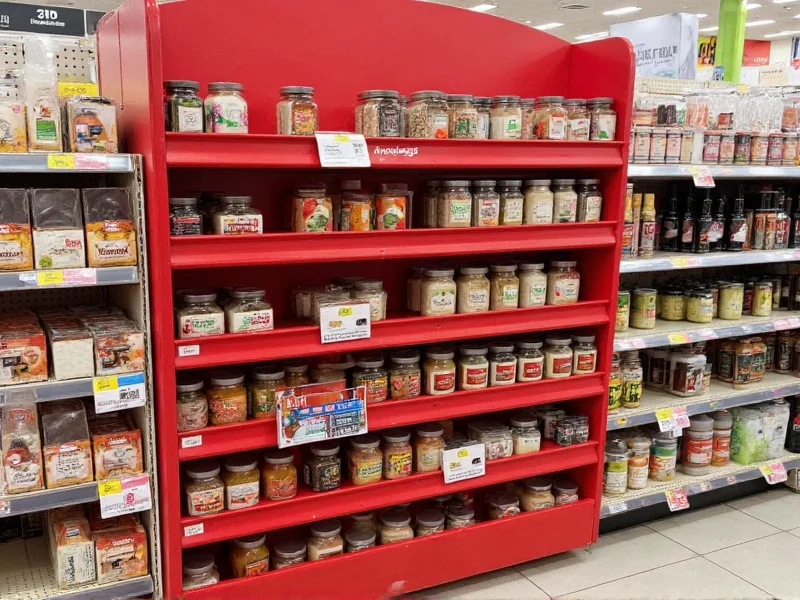
When organizing your kitchen spices, having the right storage solution makes a significant difference in both functionality and aesthetics. Target has established itself as a reliable source for practical kitchen organization products, including a wide variety of spice storage options that cater to different kitchen layouts, budgets, and organizational preferences.
Types of Spice Racks Available at Target
Target categorizes their spice rack offerings into several distinct types, each serving different organizational needs and kitchen configurations. Understanding these categories helps you select the most appropriate solution for your specific situation.
Countertop Organizers
Countertop spice racks remain Target's most popular category, with the Room Essentials 12-Slot Turntable leading sales. These rotating carousels provide 360-degree access to spices while occupying minimal counter space. The Threshold Acrylic Tiered Spice Rack offers vertical storage for up to 18 standard spice jars, making efficient use of vertical space. Countertop options typically range from $12-$30 and work well in kitchens with limited wall or cabinet space.
Wall-Mounted Solutions
For kitchens seeking to maximize counter space, Target's wall-mounted spice racks provide effective storage. The Project 62 Magnetic Spice Rack system allows for customizable arrangements on metal surfaces, while the Room Essentials Wall-Mounted Spice Organizer features adjustable shelves that accommodate various jar sizes. Wall-mounted options generally range from $15-$40 and require proper installation to support the weight of filled spice containers.
Cabinet and Door Organizers
Target offers several space-saving solutions that utilize often-wasted cabinet space. Their cabinet door spice racks, like the Simple Houseware 10-Slot model, mount inside upper cabinet doors to keep spices accessible but out of sight. Under-cabinet racks provide another discreet option, while pull-out cabinet inserts offer convenient access to larger spice collections. These solutions typically cost between $10-$25 and work particularly well in smaller kitchens where counter and wall space is limited.
Material Considerations for Target Spice Racks
The material of your spice rack affects durability, aesthetics, and functionality. Target's selection spans multiple materials, each with distinct advantages:
| Material | Price Range | Best For | Considerations |
|---|---|---|---|
| Acrylic | $12-$25 | Modern kitchens, clear visibility | Can show fingerprints, may yellow over time |
| Wood/Bamboo | $18-$45 | Traditional kitchens, durability | Requires occasional oiling, heavier weight |
| Metal | $15-$35 | Industrial styles, magnetic options | Can rust if exposed to moisture |
| Plastic | $8-$20 | Budget options, lightweight needs | Less durable, may become brittle |
When selecting a material, consider your kitchen's existing aesthetic, how frequently you access your spices, and your long-term durability expectations. Acrylic options provide excellent visibility but require more frequent cleaning, while wood offers warmth but needs occasional maintenance.
Size and Capacity Options at Target
Target's spice racks accommodate various collection sizes, from minimalists with just essential spices to serious cooks with extensive collections. Understanding capacity measurements helps avoid purchasing a rack that's either too small or unnecessarily large.
Most Target spice racks specify capacity in terms of standard 4oz spice jars. The Room Essentials turntable holds 12 standard jars, while larger models like the Threshold 3-Tier Organizer accommodate up to 24. Wall-mounted options typically range from 6-18 slots depending on configuration. When measuring for space, remember to account for both the rack's dimensions and the clearance needed to access spices comfortably.
For those using non-standard containers, measure your tallest and widest spice containers before selecting a rack. Many Target options feature adjustable shelves or compartments to accommodate varying sizes, but this isn't universal across their product line.
Price Range Analysis of Target Spice Racks
Target's spice rack selection spans multiple price points, making it accessible for various budgets. Their pricing structure generally follows this pattern:
- Budget Tier ($8-$15): Basic plastic organizers, simple wire racks, and single-tier options. These work well for small spice collections but may lack durability for long-term use.
- Mid-Range ($16-$28): The most popular category featuring the Room Essentials turntable, Threshold acrylic organizers, and basic wall-mounted systems. These offer the best balance of quality, functionality, and value.
- Premium Tier ($29-$45): Project 62 wood options, multi-tier systems, and specialty organizers with advanced features like magnetic mounting or pull-out mechanisms.
When evaluating value, consider not just the initial cost but also the expected lifespan and how well the organizer meets your specific needs. Many customers find that investing in a mid-range Target spice rack provides the best long-term satisfaction.
Top-Rated Target Spice Racks Based on Customer Feedback
Analyzing customer reviews reveals consistent patterns about which Target spice racks perform best in real-world use. The Room Essentials 12-Slot Countertop Turntable maintains a 4.5-star average across thousands of reviews, praised for its smooth rotation and compact design. The Threshold Acrylic 3-Tier Organizer scores 4.3 stars, with users appreciating its vertical space utilization despite some noting assembly challenges.
For wall-mounted solutions, the Project 62 Magnetic Spice Rack system earns 4.4 stars for its flexibility and modern appearance, though some users mention the learning curve for optimal arrangement. The Simple Houseware Cabinet Door Organizer maintains a solid 4.2-star rating as a space-saving solution, particularly popular in smaller kitchens where counter space is limited.
How to Choose the Right Spice Rack for Your Kitchen
Selecting the ideal Target spice rack requires evaluating several factors specific to your kitchen and cooking habits. First, assess your available space by measuring potential locations—countertop areas, wall spaces, or cabinet interiors. Next, inventory your current spice collection to determine how many containers you need to store.
Consider your cooking frequency and habits: frequent cooks might prioritize quick access with countertop options, while occasional cooks might prefer concealed storage inside cabinets. Your kitchen's existing aesthetic should also influence material selection to maintain visual harmony. Finally, think about future needs—will your spice collection likely grow as you explore new cuisines?
For renters or those who move frequently, consider portable options that don't require permanent installation. The Room Essentials turntable and other countertop models offer this flexibility, while wall-mounted solutions provide more permanent organization.
Installation Considerations for Wall-Mounted Options
Proper installation is crucial for wall-mounted spice racks to ensure safety and functionality. Target's wall-mounted options typically include hardware, but you may need additional tools depending on your wall type. For drywall, use appropriate anchors to support the weight of filled spice containers. Tile walls require special drill bits and anchors to prevent cracking.
When determining placement height, consider both accessibility and safety. The ideal height allows comfortable access without requiring excessive reaching, typically between 48-60 inches from the floor. Ensure the location doesn't interfere with other kitchen activities and provides adequate lighting for reading spice labels. Always follow the manufacturer's installation instructions included with your Target spice rack purchase.
Maintenance and Organization Tips
Once installed, maintaining your Target spice rack ensures long-term functionality and keeps your spices organized. Regularly wipe down surfaces with a damp cloth to prevent dust accumulation, being careful with wooden racks that shouldn't be saturated with water. Check expiration dates periodically and remove outdated spices to maintain optimal organization.
For optimal organization, arrange spices alphabetically or by frequency of use—keeping everyday spices at eye level and specialty items in less accessible spots. Consider adding small labels to shelves if your rack has multiple tiers. When restocking spices, take the opportunity to wipe down containers to prevent dust buildup that can affect flavor.
Comparing Target Spice Racks to Other Retailers
While Target offers a solid selection of spice racks, it's worth understanding how their options compare to other major retailers. Target's strength lies in their curated selection of stylish, functional options at mid-range prices. Compared to Walmart, Target generally offers more design-focused options with better materials at slightly higher price points.
When contrasted with specialty kitchen stores like Williams Sonoma, Target's spice racks are more affordable but may lack some premium features. The quality-to-price ratio at Target makes their offerings particularly appealing for most home kitchens seeking practical solutions without excessive investment.
What is the most popular spice rack at Target?
The Room Essentials 12-Slot Countertop Turntable is Target's best-selling spice rack. This rotating organizer features a compact design that accommodates standard spice jars while providing 360-degree access. Its popularity stems from the combination of functionality, space efficiency, and affordable price point around $18.
Do Target spice racks fit standard spice jars?
Most Target spice racks are designed to accommodate standard 4oz spice jars (approximately 2.75 inches in diameter). However, if you use specialty containers or larger jars, check the product specifications before purchasing. Many Target options feature adjustable shelves or compartments to accommodate varying sizes, particularly in their Threshold and Project 62 lines.
Can I return spice racks to Target if they don't fit my space?
Yes, Target accepts returns of spice racks within 90 days with a receipt. Without a receipt, you may receive a merchandise return card for the current price. It's recommended to keep the original packaging until you've confirmed the rack fits your space and organizational needs. Some wall-mounted options may have restocking fees if opened.
Are Target's wood spice racks durable for kitchen use?
Target's wood and bamboo spice racks, primarily in their Project 62 line, are generally durable for kitchen use when properly maintained. These racks feature sealed finishes to protect against moisture, but should be kept away from direct water exposure. With occasional oiling to maintain the wood's integrity, these racks can last for many years while adding warmth to your kitchen organization.
Does Target offer spice racks suitable for small kitchens?
Yes, Target offers several space-saving spice rack options ideal for small kitchens. Their cabinet door organizers, under-cabinet racks, and compact countertop turntables maximize unused spaces. The Room Essentials 12-Slot Turntable measures just 10 inches in diameter, while their wall-mounted options can utilize vertical space without occupying counter area. These small kitchen solutions typically range from $10-$25.




 浙公网安备
33010002000092号
浙公网安备
33010002000092号 浙B2-20120091-4