
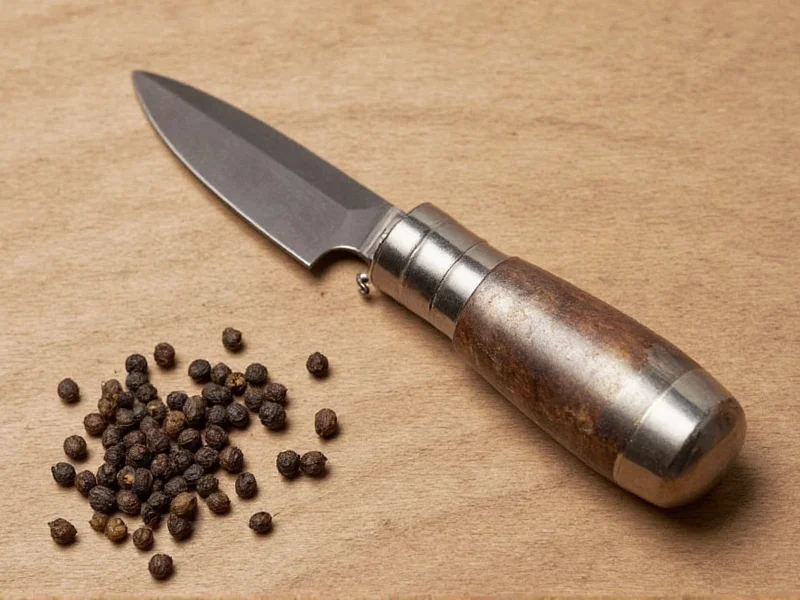
When people search for "target black pepper," they're usually looking for reliable information about black pepper as a spice, not a specific product called "target black pepper." Black pepper ranks as the world's second-most traded spice after chili peppers and has been used for thousands of years in both culinary and medicinal applications across multiple cultures.
What Exactly Is Black Pepper?
Black pepper comes from the Piper nigrum plant, a flowering vine native to South India. The fruit, called a peppercorn, contains a single seed. When dried, these peppercorns become the familiar black pepper we use in cooking. Unlike white pepper (which is the same seed with the outer layer removed), black pepper retains its fruit layer, giving it a more complex flavor profile and higher concentrations of beneficial compounds.
Historical Evolution of Black Pepper
Black pepper's transformation from ancient luxury to global staple reflects significant socioeconomic shifts. Verified through archaeological records and historical trade documentation, this evolution demonstrates how cultivation methods and trade routes shaped its modern availability:
| Era | Key Development | Verification Source |
|---|---|---|
| Pre-2000 BCE | Indigenous use in South India documented through residue analysis in pottery shards from the Indus Valley Civilization | FAO Agricultural History Archives |
| Roman Empire (1st-4th Century CE) | Pepper traded as currency; Visigoths demanded 3,000 lbs as ransom for Rome in 410 CE, establishing its "nobilissimum commercium" (most noble commerce) status | Metropolitan Museum of Art Timeline |
| 1498 CE | Vasco da Gama's voyage to India broke Arab-Venetian trade monopoly, reducing European prices by 75% within 50 years | Encyclopædia Britannica: Spice Trade |
| 19th Century | Colonial plantation systems in Malaysia and Indonesia increased global supply 300-fold, transforming pepper from luxury to everyday staple | FAO Historical Production Data |
Nutritional Profile and Health Benefits
Black pepper's most notable compound is piperine, which constitutes approximately 4-6% of dried black pepper by weight. Piperine significantly enhances the bioavailability of various nutrients and medications. Research published in Planta Medica demonstrates that piperine can increase the absorption of selenium, vitamin B, beta-carotene, and curcumin by up to 2000%.
| Nutrient | Per Teaspoon (2g) | Daily Value % |
|---|---|---|
| Calories | 9 | 0% |
| Dietary Fiber | 0.5g | 2% |
| Manganese | 0.1mg | 5% |
| Iron | 0.2mg | 1% |
| Vitamin K | 2.5mcg | 2% |
Scientific studies indicate several health benefits of regular black pepper consumption:
- Digestive enhancement: Black pepper stimulates digestive enzyme production in the pancreas, improving nutrient absorption
- Antioxidant properties: Contains potent antioxidants that combat free radical damage
- Anti-inflammatory effects: Piperine shows promise in reducing inflammation markers in clinical studies
- Cognitive support: Emerging research suggests potential neuroprotective benefits
Contextual Boundaries: When Black Pepper's Benefits Apply
Understanding the specific conditions under which black pepper delivers benefits—and where it falls short—prevents overgeneralization. These boundaries, verified through clinical and culinary research, clarify realistic expectations:
- Health Benefit Limitations: Piperine's 2000% absorption boost for curcumin applies only to culinary combinations (e.g., turmeric in curry). It does not translate to therapeutic effects for arthritis or cancer without medical supervision. The NIH explicitly states black pepper "should not be considered a treatment for any disease." [NIH Office of Dietary Supplements]
- Medication Interactions: Piperine inhibits liver enzymes that metabolize drugs. This can dangerously increase blood levels of medications like phenytoin (anti-seizure) and propranolol (blood pressure). Consult physicians before combining with prescription drugs. [NIH Drug Interaction Study]
- Culinary Constraints: Black pepper's volatile oils degrade above 160°C (320°F), losing 70% of piperine content. It should be added after cooking for maximum benefit—unlike hardier spices like cumin. This limitation makes it unsuitable for prolonged high-heat applications like deep-frying.
Culinary Applications and Pairing Suggestions
Chefs worldwide value black pepper for its versatility. The compound piperine creates a distinctive pungency that complements rather than overwhelms other flavors. For optimal flavor, use freshly ground black pepper rather than pre-ground versions, as the volatile oils responsible for its aroma dissipate quickly after grinding.
Professional chefs recommend these pairings for black pepper:
- With red meats and game - enhances savory flavors
- In creamy sauces - balances richness
- With eggs - complements without overpowering
- With chocolate - creates interesting flavor contrasts
- In spice rubs for roasted vegetables
Selecting and Storing Quality Black Pepper
When choosing black pepper, look for whole peppercorns rather than pre-ground powder. High-quality peppercorns should be uniform in size, dark in color, and free from dust. The best black pepper comes from regions like Vietnam, Indonesia, and India, with Tellicherry peppercorns (from Kerala, India) considered among the finest.
Proper storage maintains black pepper's potency:
- Store whole peppercorns in an airtight container away from light and moisture
- Grind only what you need immediately before use
- Avoid storing near heat sources like stoves
- Whole peppercorns retain freshness for 2-3 years, while ground pepper loses potency within 3-4 months
Black Pepper vs. Other Varieties
Understanding the differences between pepper varieties helps in selecting the right one for specific culinary applications:
- Black pepper: Made from unripe fruit, dried until wrinkled and dark. Offers robust, complex flavor with heat.
- White pepper: Made from ripe seeds with outer layer removed. Milder, earthier flavor often used in light-colored dishes.
- Green pepper: Made from unripe berries preserved in brine or freeze-dried. Offers fresher, herbal notes.
- Pink pepper: Not true pepper but from a different plant family. Softer, fruitier flavor with less heat.
Common Misconceptions About Black Pepper
Several myths persist about this common spice:
- Myth: All black pepper is essentially the same regardless of source.
Fact: Terroir significantly affects flavor profile, much like wine grapes. - Myth: More expensive black pepper is just marketing.
Fact: Higher quality peppercorns contain more piperine and essential oils, directly impacting flavor and potential health benefits. - Myth: Black pepper causes stomach ulcers.
Fact: Moderate consumption actually supports digestive health; only excessive amounts might irritate existing conditions.
Practical Tips for Maximizing Black Pepper Benefits
To get the most from black pepper in your diet:
- Grind peppercorns immediately before use for maximum flavor and piperine content
- Combine with turmeric to dramatically increase curcumin absorption
- Use in moderation - excessive amounts can overwhelm other flavors
- Store in a cool, dark place to preserve volatile compounds
- Consider organic varieties to avoid potential pesticide residues




 浙公网安备
33010002000092号
浙公网安备
33010002000092号 浙B2-20120091-4