
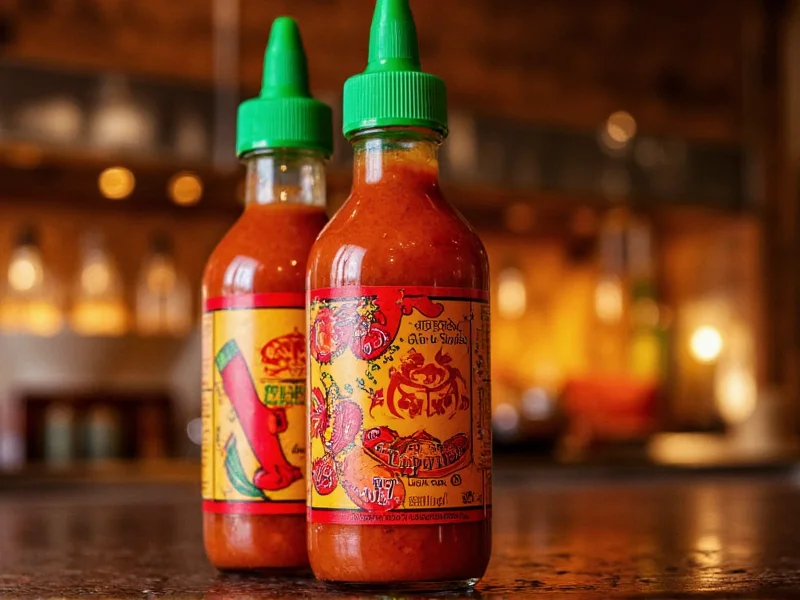
Understanding where Tapatio falls on the Scoville scale provides valuable context for both heat enthusiasts and casual consumers. The Scoville scale, developed by pharmacist Wilbur Scoville in 1912, measures the pungency or spiciness of chili peppers and hot sauces through a measurement of capsaicin concentration. Originally determined through human taste testing, modern measurements use high-performance liquid chromatography for precise quantification.
Tapatio's Position on the Scoville Heat Scale
With its consistent 3,000 SHU rating, Tapatio occupies a distinctive position in the hot sauce landscape. This places it significantly milder than many popular hot sauces while still providing noticeable heat. The sauce's heat level remains remarkably consistent across production batches, which has contributed to its decades-long popularity since its introduction in 1971.
What makes Tapatio's heat profile particularly interesting is how its perceived spiciness often differs from its technical Scoville measurement. Many consumers report that Tapatio feels hotter than its SHU rating would suggest. This phenomenon occurs because Tapatio uses a blend of red peppers that deliver a different heat quality compared to single-pepper sauces. The specific pepper varieties used in Tapatio—primarily red jalapeños—contribute to a cleaner, more immediate heat sensation.
| Hot Sauce | Scoville Range (SHU) | Heat Level | Primary Pepper |
|---|---|---|---|
| Tapatio | 2,500-3,500 | Mild-Medium | Red Jalapeño |
| Cholula | 1,000-2,000 | Mild | Red Pequin |
| Frank's RedHot | 450 | Very Mild | Cayenne |
| Sriracha | 1,000-2,200 | Mild | Red Jalapeño |
| Tabasco | 2,500-5,000 | Medium | Tabasco Pepper |
| Habanero Sauce | 150,000-350,000 | Very Hot | Habanero |
Factors Influencing Tapatio's Heat Perception
Several elements contribute to how Tapatio's heat is experienced beyond its technical Scoville measurement:
- Pepper blend composition - Tapatio's specific red jalapeño variety delivers a different heat quality than single-source peppers
- Vinegar content - The vinegar base enhances heat perception on the palate
- Salt concentration - Higher salt levels can intensify the burning sensation
- Individual tolerance - Personal heat sensitivity varies significantly among consumers
- Food pairing - Tapatio's heat perception changes when paired with different foods
Unlike many artisanal hot sauces that vary between batches, Tapatio maintains remarkable consistency in its heat level. This consistency stems from the company's strict quality control measures and standardized production process. The sauce's formula has remained virtually unchanged since its creation, contributing to its reliable heat profile that consumers have come to expect.
Practical Applications of Tapatio's Heat Level
Tapatio's position on the Scoville scale makes it exceptionally versatile in culinary applications. Its mild-medium heat allows it to enhance rather than overwhelm dishes. Food enthusiasts often appreciate Tapatio for:
- Everyday table sauce use for those building heat tolerance
- Adding subtle heat to breakfast dishes like eggs and tacos
- Enhancing soups and stews without dominating other flavors
- Creating balanced hot sauce blends when combined with hotter varieties
- Introducing children to mildly spicy foods safely
Professional chefs frequently select Tapatio specifically for its consistent heat level when recipe precision matters. Unlike some artisanal hot sauces with variable heat from batch to batch, Tapatio provides reliable spiciness measurement in professional kitchen settings.
Common Misconceptions About Tapatio's Heat
Several myths persist about Tapatio's position on the Scoville heat units scale. One prevalent misconception suggests Tapatio has increased in heat over time. However, chemical analysis shows minimal variation in Scoville ratings across decades of production. Another common misunderstanding is that Tapatio's heat level approaches that of habanero-based sauces, when in reality it's more than 50 times milder than typical habanero sauces.
The perception that Tapatio feels hotter than its SHU rating suggests stems from its clean, immediate heat delivery. Unlike some sauces that build heat gradually, Tapatio's capsaicinoids activate quickly on the tongue, creating an initial impression of greater intensity. This characteristic makes it particularly effective for dishes where immediate heat sensation is desired.
Understanding Scoville Scale Context
When evaluating Tapatio hot sauce Scoville heat units, it's essential to understand the broader context of the Scoville scale. The scale spans from 0 SHU (bell peppers) to over 2 million SHU (pure capsaicin). Tapatio's 3,000 SHU places it:
- Just above standard jalapeño peppers (2,500-8,000 SHU)
- Well below serrano peppers (10,000-23,000 SHU)
- Nearly 100 times milder than ghost peppers (855,000-1,041,427 SHU)
- Over 600 times milder than the current hottest commercial sauces
This contextual understanding helps consumers make informed decisions about heat levels appropriate for their tolerance. For reference, most people begin to perceive heat around 100 SHU, while the threshold for painful sensation typically starts around 20,000 SHU.
What is Tapatio hot sauce's exact Scoville rating?
Tapatio hot sauce consistently measures approximately 3,000 Scoville Heat Units (SHU), with a typical range of 2,500-3,500 SHU. This places it in the mild to medium heat category on the Scoville scale.
How does Tapatio compare to other popular hot sauces in heat level?
Tapatio (3,000 SHU) is hotter than Cholula (1,000-2,000 SHU) and Frank's RedHot (450 SHU), but milder than Tabasco (2,500-5,000 SHU). It's significantly milder than habanero-based sauces which typically range from 150,000-350,000 SHU.
Why does Tapatio seem hotter than its Scoville rating suggests?
Tapatio's heat feels more intense than its SHU rating because it uses red jalapeños that deliver a cleaner, more immediate heat sensation. The vinegar content and salt concentration also enhance the perceived heat on the palate compared to some other sauces with similar Scoville measurements.
Has Tapatio's heat level changed over time?
No, Tapatio has maintained remarkable consistency in its heat level since its introduction in 1971. Chemical analysis shows minimal variation in Scoville ratings across decades of production, typically remaining within the 2,500-3,500 SHU range.
Is Tapatio considered a hot sauce for beginners?
Yes, with its 3,000 SHU rating, Tapatio is often recommended as an excellent entry-level hot sauce for those developing their heat tolerance. Its mild-medium heat provides noticeable spice without overwhelming heat, making it suitable for everyday table use.




 浙公网安备
33010002000092号
浙公网安备
33010002000092号 浙B2-20120091-4