
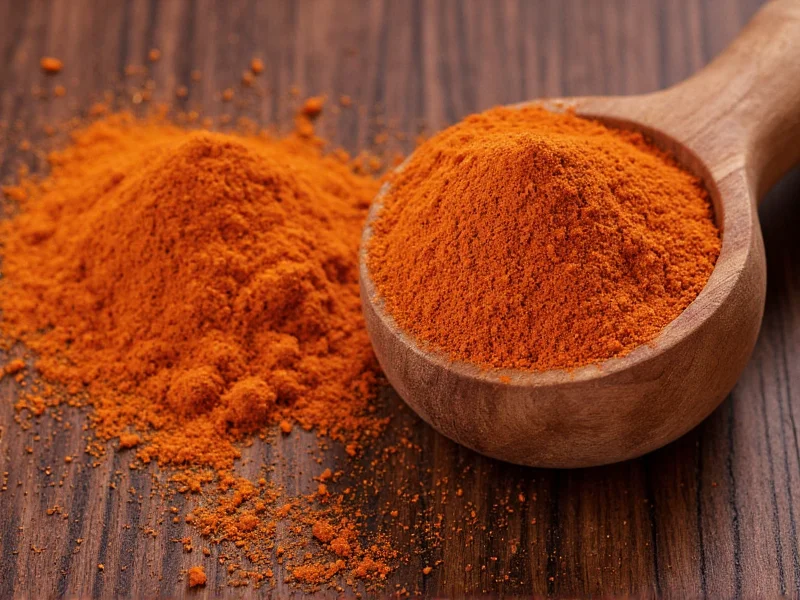
Understanding tandoori seasoning goes beyond just knowing its ingredients—it's about appreciating how this spice blend transforms ordinary ingredients into extraordinary dishes. This comprehensive guide explores the authentic composition, historical roots, and versatile applications of this beloved Indian spice mixture.
What Exactly Is Tandoori Seasoning?
Tandoori seasoning, sometimes called tandoori masala, is a carefully balanced spice blend that originated in the Punjab region of India. Despite common misconceptions, traditional tandoori seasoning doesn't contain food coloring—the vibrant red hue comes naturally from Kashmiri red chili powder, which provides color without overwhelming heat.
Unlike generic "curry powder," tandoori seasoning has a distinct flavor profile characterized by earthy warmth, subtle citrus notes, and mild heat. The yogurt commonly used in tandoori marinades reacts with the spices, creating tender, flavorful results that define classic dishes like tandoori chicken and naan bread.
Authentic Tandoori Seasoning Ingredients
The precise blend varies by region and family tradition, but authentic tandoori seasoning always features these core components:
| Ingredient | Primary Function | Authentic Alternative |
|---|---|---|
| Kashmiri red chili powder | Vibrant color, mild heat | Ancho chili powder (for similar color) |
| Coriander powder | Earthy base note | Freshly ground coriander seeds |
| Cumin powder | Warm, distinctive aroma | Dry-roasted cumin seeds, freshly ground |
| Turmeric | Golden undertones, earthiness | Fresh turmeric root, grated |
| Garam masala | Complex spice foundation | Homemade garam masala blend |
| Dried fenugreek leaves | Distinctive savory note | Fresh fenugreek leaves (rare outside India) |
| Amchur (mango powder) | Tangy brightness | Lemon zest or citric acid |
Traditional vs. Commercial Tandoori Seasoning
Many store-bought tandoori seasoning blends contain artificial coloring and preservatives that alter both flavor and appearance. Authentic homemade tandoori spice blend relies on natural ingredients that develop complex flavors through proper toasting and grinding.
When evaluating commercial tandoori seasoning products, check for these markers of quality:
- Presence of Kashmiri chili powder rather than artificial red dye
- Absence of fillers like cornstarch or wheat flour
- Short ingredient list focusing on whole spices
- No added sugar or MSG in traditional blends
Creating Authentic Homemade Tandoori Seasoning
Making your own tandoori seasoning ensures freshness and authenticity. Follow this professional method for the most flavorful results:
- Dry roast whole spices (coriander seeds, cumin seeds, cardamom pods) separately in a skillet over medium heat until fragrant
- Cool completely before grinding to a fine powder
- Mix with pre-ground spices (Kashmiri chili, turmeric, amchur)
- Store in an airtight container away from light and heat
The secret to exceptional homemade tandoori seasoning lies in the roasting process—properly toasted spices release essential oils that create deeper, more complex flavors than pre-ground alternatives. For best results, make small batches and use within 2-3 months.
Proper Usage Techniques for Maximum Flavor
Understanding how to use tandoori masala properly makes all the difference in your cooking. Traditional preparation involves:
- Creating a yogurt-based marinade with the spice blend (yogurt tenderizes while carrying flavors)
- Marinating proteins for at least 4 hours, preferably overnight
- Using metal skewers rather than wooden ones for authentic tandoor cooking
- Cooking at extremely high temperatures (traditional tandoors reach 900°F/480°C)
For home cooks without a tandoor oven, replicate the effect by using your hottest oven setting with a preheated cast-iron skillet or grill. The key is achieving that characteristic char while keeping the interior moist.
Common Tandoori Seasoning Misconceptions
Several myths persist about this iconic spice blend:
- Myth: Tandoori seasoning is extremely spicy
Reality: Authentic versions use mild Kashmiri chilies primarily for color - Myth: All tandoori dishes contain red food coloring
Reality: Traditional recipes rely on natural chili pigments - Myth: Tandoori seasoning and curry powder are interchangeable
Reality: They have distinct ingredient profiles and culinary purposes - Myth: Tandoori seasoning works only with chicken
Reality: Excellent with vegetables, paneer, fish, and even in bread doughs
Versatile Applications Beyond Traditional Dishes
Modern chefs have expanded tandoori seasoning uses far beyond classic tandoori chicken. Creative applications include:
- As a dry rub for roasted vegetables
- Mixed into mayonnaise for flavorful dips
- Added to pizza dough for naan-inspired crusts
- Stirred into soups and stews for depth of flavor
- Used as a seasoning for popcorn or roasted nuts
When experimenting with tandoori spice blend in non-traditional recipes, start with smaller amounts (1/2 teaspoon per serving) and adjust to taste, as the flavor profile can dominate other ingredients.
Storage Guidelines for Maximum Freshness
Spice blends lose potency over time. Follow these storage tips for your homemade tandoori seasoning:
- Store in a dark glass or opaque container (light degrades spices)
- Keep away from heat sources like stoves or ovens
- Use within 3 months for peak flavor (commercial blends within 6 months)
- Never store above the stove where temperature fluctuates
- Consider freezing small portions for long-term storage
Properly stored tandoori seasoning maintains its vibrant color and complex flavor profile, while poorly stored blends quickly lose their aromatic compounds and develop stale, one-dimensional tastes.
Regional Variations Across India
While Punjabi tandoori seasoning represents the most internationally recognized version, regional variations exist throughout India:
- Goan: Incorporates coconut and additional heat from local chilies
- Kashmiri: Features more saffron and milder heat profile
- Hyderabadi: Includes additional warming spices like star anise
- Gujarati: Slightly sweeter profile with added dried mango powder
These regional differences reflect local agricultural products and historical trade routes that influenced spice availability across the subcontinent.




 浙公网安备
33010002000092号
浙公网安备
33010002000092号 浙B2-20120091-4