
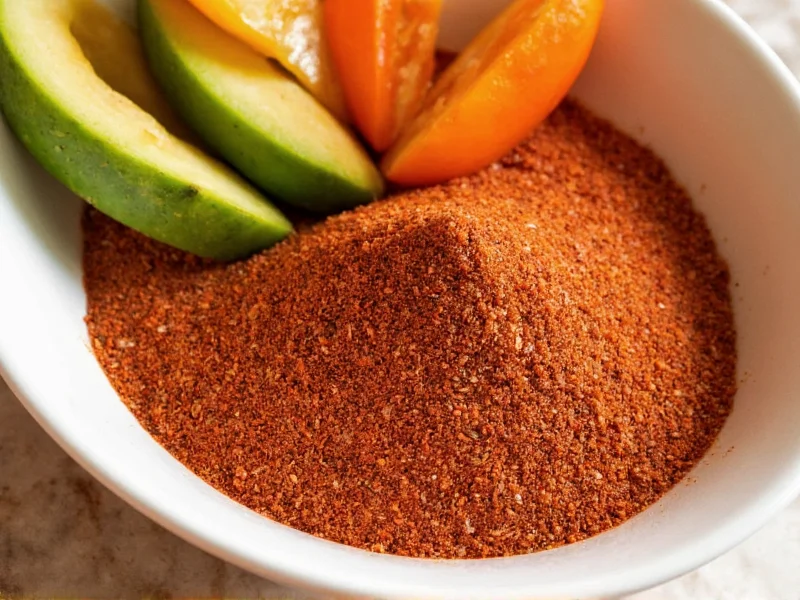
Creating your own Tajin seasoning at home gives you complete control over ingredients and flavor intensity. This versatile Mexican condiment has gained international popularity for its unique combination of spicy, tangy, and salty notes that elevate everything from fresh fruit to cocktails. While store-bought Tajin works well, making your own ensures freshness and allows for customization to match your personal taste preferences.
The Essential Components of Authentic Tajin
Understanding what makes Tajin special helps you recreate its distinctive flavor profile. The magic happens through three core elements working in harmony:
| Component | Traditional Ingredient | Homemade Alternative | Function |
|---|---|---|---|
| Heat | Chili powder blend | Pure ancho or guajillo chili powder | Provides mild to moderate heat without overwhelming |
| Tang | Dehydrated lime | Citric acid or fresh lime zest | Creates the signature bright, citrusy note |
| Salt | Sea salt | Fine sea salt or kosher salt | Enhances flavors and balances acidity |
Perfect Homemade Tajin Seasoning Recipe
This authentic Tajin seasoning recipe yields approximately ¼ cup of seasoning, enough to fill a standard Tajin shaker bottle. The recipe maintains the traditional flavor profile while allowing for easy customization.
Ingredients
- 2 tablespoons high-quality chili powder (ancho or guajillo preferred)
- 1 tablespoon citric acid (or 2 tablespoons finely grated lime zest)
- 1 teaspoon fine sea salt
- ½ teaspoon garlic powder (optional but traditional)
- ¼ teaspoon cumin (optional for depth)
Step-by-Step Instructions
- Combine all dry ingredients in a small bowl
- Whisk thoroughly for 2-3 minutes to ensure even distribution
- Transfer to a fine-mesh sieve and sift to remove any clumps
- Sift a second time for optimal texture consistency
- Store in an airtight container away from light and moisture
Customizing Your Homemade Tajin
One significant advantage of making your own Tajin seasoning recipe is the ability to tailor it to your specific preferences. Consider these popular variations when experimenting with your homemade Tajin:
- Extra Spicy Version: Add ¼ teaspoon cayenne pepper or a pinch of chipotle powder for increased heat
- Smoky Tajin: Replace ½ tablespoon of regular chili powder with smoked paprika or chipotle powder
- Fruit-Friendly Tajin: Reduce salt by ¼ teaspoon and increase citric acid by the same amount for fruit applications
- Herb-Infused Tajin: Add ½ teaspoon dried oregano or epazote for a more complex flavor profile
Practical Uses for Your Homemade Tajin Seasoning
Understanding how to use Tajin seasoning properly will help you maximize its potential. This versatile Mexican seasoning works beautifully in numerous applications beyond the traditional fruit dipping:
Fruit Enhancements
Sprinkle generously on watermelon, mango, pineapple, or jicama for the classic Mexican street food experience. The acid in Tajin reacts with the fruit's natural sugars, creating a flavor explosion that's both refreshing and satisfying.
Culinary Applications
- Cocktails: Use as a rimming salt for micheladas, bloody marys, or citrus-based cocktails
- Vegetables: Toss with roasted vegetables or sprinkle on avocado slices
- Proteins: Create a rub for chicken, fish, or shrimp before grilling
- Snacks: Mix with olive oil for popcorn seasoning or toss with roasted nuts
- Drinks: Add a pinch to fresh limeade or agua fresca for complexity
Storage Tips for Maximum Freshness
Proper storage ensures your homemade Tajin seasoning maintains its vibrant flavor. Unlike commercial versions that contain preservatives, your homemade blend will be most potent when stored correctly:
- Use an airtight glass container rather than plastic to prevent flavor absorption
- Store in a cool, dark place away from heat sources
- For extended freshness (up to 6 months), keep in the refrigerator
- Never store above the stove or near cooking areas where humidity fluctuates
- Label with preparation date to track freshness
Troubleshooting Common Tajin Issues
If your homemade Tajin seasoning recipe doesn't turn out perfectly on the first try, these solutions will help you adjust:
- Too salty: Double the recipe without additional salt to dilute the saltiness
- Not tangy enough: Add ¼ teaspoon citric acid and remix thoroughly
- Not spicy enough: Incorporate ⅛ teaspoon cayenne pepper incrementally
- Clumping: Sift again and consider adding a few grains of uncooked rice to absorb moisture
- Flavor too flat: Add a pinch of cumin or garlic powder for complexity
Why Homemade Tajin Beats Store-Bought
While convenient, commercial Tajin seasoning often contains anti-caking agents and preservatives that aren't necessary in a homemade version. Creating your own authentic Tajin seasoning recipe offers several advantages:
- Complete ingredient control with no additives or preservatives
- Superior freshness and more vibrant flavor
- Ability to adjust heat level to personal preference
- Cost savings (homemade costs approximately 30% less per ounce)
- Eco-friendly packaging options using reusable containers
Final Thoughts on Perfecting Your Tajin Seasoning
Mastering your homemade Tajin seasoning recipe takes minimal effort but delivers maximum flavor rewards. The beauty of this simple Mexican spice blend lies in its versatility and ability to transform ordinary dishes into extraordinary culinary experiences. Whether you're enjoying it on fresh fruit, using it as a cocktail rim, or incorporating it into savory recipes, your homemade version will provide a fresher, more authentic taste than store-bought alternatives. Remember that seasoning preferences are personal—feel free to adjust the ratios to create your perfect balance of heat, tang, and saltiness.




 浙公网安备
33010002000092号
浙公网安备
33010002000092号 浙B2-20120091-4