
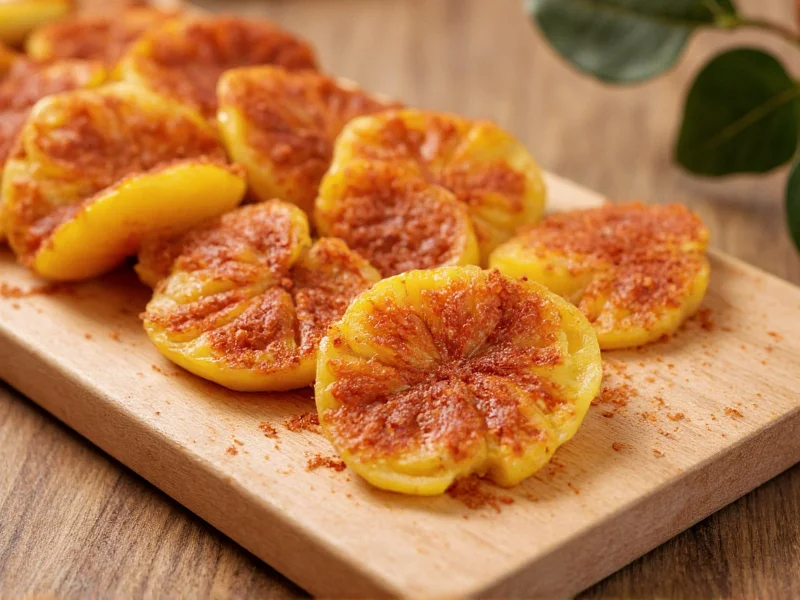
Originating from Mexican street food culture, Tajin seasoning has become a beloved addition to fresh fruit across North America. This chili-lime-salt blend transforms ordinary fruit into a vibrant snack that balances sweet, sour, spicy, and salty elements in perfect harmony. Understanding why this combination works so well requires examining both the seasoning's composition and how it interacts with fruit's natural chemistry.
The Flavor Science Behind Tajin and Fruit
Tajin's magic comes from its simple yet powerful ingredient profile: ground chilies (primarily chile de árbol), dehydrated lime juice, and sea salt. When applied to fruit, three key interactions occur:
- Acid enhancement: The lime component cuts through fruit sweetness, creating a more complex flavor profile
- Salt amplification: Sodium ions heighten our perception of sweetness while reducing bitterness
- Heat contrast: The mild chili heat provides a pleasant counterpoint to fruit's cool sweetness
This trifecta of flavor interactions explains why Tajin works particularly well with fruits that have higher water content and natural acidity. The seasoning doesn't overpower the fruit but rather reveals flavors you might not have noticed before.
Top Fruits for Tajin Seasoning
While Tajin complements many fruits, certain varieties create truly exceptional pairings. Here's a comprehensive guide to the best fruit-Tajin combinations:
| Fruit Type | Best Tajin Application | Flavor Experience | Popularity Rating |
|---|---|---|---|
| Watermelon | Generous sprinkle with lime wedge | Cool sweetness with spicy kick | ★★★★★ |
| Mango | Light dusting with chamoy drizzle | Tropical richness with tangy heat | ★★★★★ |
| Pineapple | Moderate sprinkle, serve chilled | Acidic sweetness with warming finish | ★★★★☆ |
| Green Apple | Light coating on thin slices | Crisp tartness with subtle heat | ★★★★☆ |
| Orange | Light dusting on segments | Citrus brightness with savory depth | ★★★☆☆ |
| Jicama | Generous coating with lime | Crunchy neutrality with flavor explosion | ★★★☆☆ |
Perfecting Your Tajin Fruit Experience
For the best results when using Tajin seasoning on fruit, follow these professional tips that go beyond basic sprinkling:
Application Techniques
The amount of Tajin matters significantly. Start with a light dusting—about 1/8 teaspoon per serving—and adjust to taste. Over-application creates overwhelming saltiness that masks the fruit's natural flavor. For delicate fruits like watermelon, apply Tajin just before serving to prevent excess moisture release.
Enhancement Pairings
Elevate your Tajin fruit experience with these complementary additions:
- Fresh lime juice: A squeeze just before adding Tajin enhances the citrus notes
- Chamoy: This Mexican fruit sauce adds sweet-sour complexity to mango and pineapple
- Tajin Clásico vs. Tajin Fruit Hot: The original works best for most fruits, while the fruit-specific version offers milder heat
- Microplane lime zest: Adds aromatic complexity without additional liquid
Cultural Context of Tajin on Fruit
This preparation isn't just a trendy food hack—it's deeply rooted in Mexican culinary tradition. Street vendors known as fruteros have served fruit with chili-lime seasoning for generations, particularly in central and southern Mexico. The combination serves practical purposes beyond flavor: the salt helps preserve fruit in warm climates, while the acidity aids digestion.
In recent years, this tradition has gained international popularity through social media and food influencers. However, authentic preparation differs from many viral versions—the traditional method uses moderate seasoning that enhances rather than overwhelms the fruit's natural taste.
Nutritional Considerations
When exploring tajin seasoning fruit combinations, consider these nutritional aspects:
Tajin adds minimal calories (about 5 per serving) but contains sodium (110mg per 1/4 tsp). This makes it a healthier alternative to sugary fruit toppings while still providing flavor enhancement. The chilies contain capsaicin, which may offer metabolic benefits, and the lime provides vitamin C. For those monitoring sodium intake, Tajin Libre offers a salt-free alternative that maintains the chili-lime flavor profile.
Creative Serving Ideas
Move beyond basic sprinkling with these innovative approaches to using tajin on mango and other fruits:
- Fruit salads: Toss mixed fruit with a light Tajin-lime vinaigrette
- Frozen treats: Blend Tajin-seasoned fruit for spicy agua frescas or sorbets
- Grilled fruit: Sprinkle Tajin on watermelon or pineapple before brief grilling
- Fruit skewers: Alternate Tajin-dusted fruit with cucumber for refreshing bites
- Breakfast enhancement: Add to morning fruit bowls or smoothie bowls
Common Mistakes to Avoid
When experimenting with tajin seasoning on watermelon and other fruits, avoid these common pitfalls:
- Applying Tajin too early (causes fruit to release excess moisture)
- Using excessive amounts that overwhelm the fruit's natural flavor
- Pairing with already-sweetened fruits or syrups (creates flavor imbalance)
- Using on very delicate fruits without adjusting the application amount
- Storing Tajin-seasoned fruit for extended periods (alters texture)




 浙公网安备
33010002000092号
浙公网安备
33010002000092号 浙B2-20120091-4