
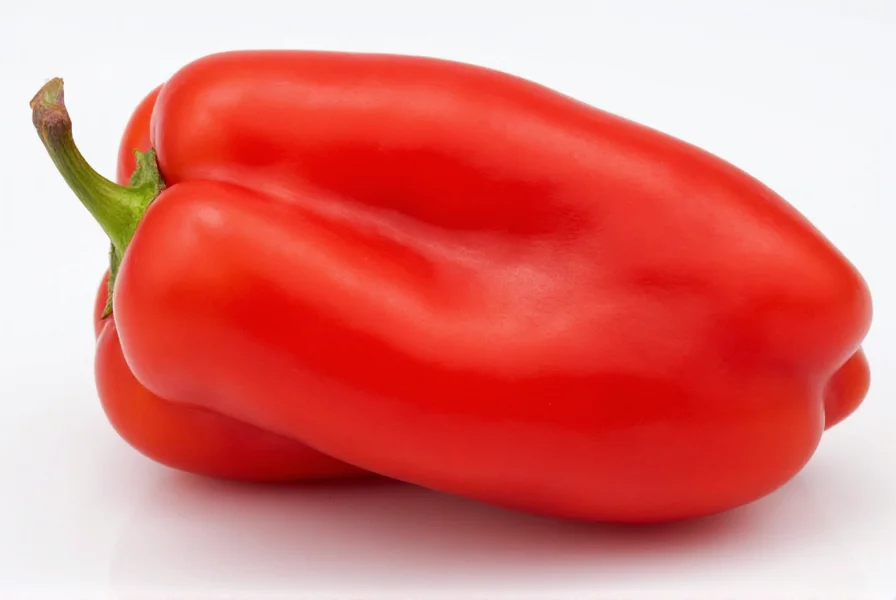
Sweet red peppers represent the fully ripened stage of bell peppers (Capsicum annuum), transforming from green to brilliant red as they mature on the vine. This natural ripening process significantly enhances their nutritional value and develops their characteristic sweet, fruity flavor that distinguishes them from other pepper varieties.
Nutritional Powerhouse in Red Packaging
Among all bell pepper varieties, sweet red peppers boast the highest concentration of essential nutrients. Just one medium-sized sweet red pepper provides more than 150% of your daily recommended vitamin C intake—surpassing even citrus fruits in this vital antioxidant. They're also exceptionally rich in vitamin A (as beta-carotene), vitamin B6, vitamin E, and potassium.
| Nutrient | Amount per Medium Pepper | Daily Value % |
|---|---|---|
| Vitamin C | 152 mg | 169% |
| Vitamin A | 3131 IU | 63% |
| Vitamin B6 | 0.5 mg | 29% |
| Vitamin E | 1.6 mg | 11% |
| Potassium | 314 mg | 9% |
Nutritional values calculated for 150g medium pepper based on USDA FoodData Central data (2023). Source: USDA Red Bell Pepper Profile
The extended time on the plant allows sweet red peppers to develop higher concentrations of carotenoids, including lycopene—the same antioxidant found in tomatoes that gives them their distinctive red hue. These compounds work synergistically to provide anti-inflammatory benefits and support eye health, skin integrity, and immune function.
The Ripening Timeline: Nutrient Evolution from Green to Red
As bell peppers mature on the vine, their biochemical composition undergoes significant transformation. This evolution directly impacts both flavor development and nutritional density, with measurable changes occurring at each ripening stage:
| Ripening Stage | Vitamin C (per 100g) | Beta-Carotene (mcg per 100g) | Time on Vine |
|---|---|---|---|
| Green (unripe) | 80.4 mg | 370 mcg | Harvest baseline |
| Yellow | 100.3 mg | 2,500 mcg | +1-2 weeks |
| Orange | 115.0 mg | 4,000 mcg | +2-3 weeks |
| Red (fully ripe) | 128.0 mg | 5,520 mcg | +3-4 weeks |
Source: USDA FoodData Central (2023) - Green Pepper (ID 169910), Yellow Pepper (ID 169944), Red Pepper (ID 169973). Values reflect typical agricultural measurements across multiple harvest studies.
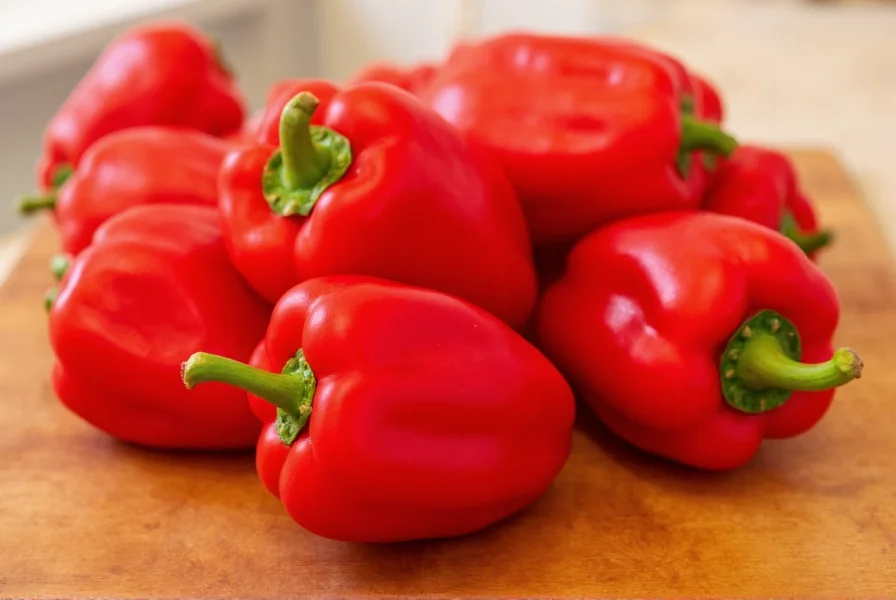
Culinary Versatility of Sweet Red Peppers
Chefs and home cooks prize sweet red peppers for their versatility in the kitchen. Their natural sweetness intensifies when roasted, grilled, or caramelized, making them perfect for:
- Adding vibrant color and sweetness to salads without vinegar-based dressings
- Creating rich roasted red pepper sauces and dips
- Enhancing stir-fries and fajitas with their juicy texture
- Stuffing with grains, meats, or cheeses for elegant main dishes
- Preserving through roasting and oil-packing for year-round use
When selecting sweet red peppers, look for firm, glossy skins with three or four lobes at the base. The heaviest peppers for their size typically contain the most flesh and least air space. Avoid specimens with wrinkles, soft spots, or dull coloring, which indicate aging.
Contextual Limitations: When Sweet Red Peppers Aren't Ideal
Despite their nutritional benefits, sweet red peppers have specific limitations requiring consideration in certain contexts:
- Nightshade Sensitivity: Individuals with autoimmune conditions like rheumatoid arthritis may experience symptom exacerbation. The Arthritis Foundation notes that while clinical evidence is limited, patient reports indicate potential inflammatory responses requiring elimination in sensitive individuals (Arthritis Foundation, 2023)
- FODMAP Restrictions: For IBS management, sweet red peppers are low-FODMAP only in 75g servings (half a medium pepper). Larger portions become high-FODMAP due to oligosaccharide content, as verified by Monash University's clinical testing (Monash FODMAP Database, 2023)
- Culinary Constraints: Their high sugar content causes rapid charring at temperatures above 220°C (428°F), making them unsuitable for high-heat searing applications where green peppers' lower sugar content performs better
Distinguishing Sweet Red Peppers from Similar Varieties
Many consumers confuse sweet red peppers with other red-colored peppers. Understanding these differences ensures you get the mild flavor profile you expect:
- Bell peppers vs. chili peppers: Sweet red peppers are bell peppers that have fully ripened, while red jalapeños, cayennes, and other chili varieties maintain their heat regardless of color
- Ripeness progression: All bell peppers start green and progress through yellow and orange to red as they mature on the plant
- Sweetness comparison: Red bell peppers contain nearly twice the sugar content of green bell peppers, explaining their noticeably sweeter taste
Optimal Storage and Preparation Techniques
To maximize freshness, store unwashed sweet red peppers in the crisper drawer of your refrigerator for up to two weeks. For longer preservation, roast, peel, and store them in olive oil—a traditional Mediterranean preservation method that enhances their natural sweetness.
When preparing sweet red peppers, remove the white pith and seeds, which can have a slightly bitter taste. For salads, slice thinly against the grain to maximize tenderness. When roasting, place directly over a gas flame or under a broiler until the skin blackens evenly, then steam in a covered bowl before peeling.
Growing Sweet Red Peppers at Home
Gardeners seeking the sweetest possible peppers should allow bell peppers to remain on the plant until they fully ripen to red. This requires approximately 2-3 weeks longer than harvesting them at the green stage. Sweet red peppers thrive in warm climates with consistent moisture and well-draining soil. For best results, harvest in the morning when sugar content peaks.
Frequently Asked Questions
Are sweet red peppers and bell peppers the same thing?
Yes, sweet red peppers are fully ripened red bell peppers. All bell peppers start green and gradually change color as they mature on the plant. Red bell peppers have remained on the vine longest, developing their characteristic sweetness and higher nutritional value.
Why are red peppers more expensive than green peppers?
Red peppers cost more because they require additional growing time—typically 2-3 weeks longer than green peppers. This extended time on the plant means farmers get fewer harvests per season, increasing production costs while delivering higher nutritional value and sweeter flavor.
Can sweet red peppers help with weight management?
Sweet red peppers support weight management as they're extremely low in calories (approximately 37 calories per medium pepper) while providing high fiber content and significant volume. Their natural sweetness can satisfy sugar cravings without added calories, making them valuable for healthy eating plans.
How do I reduce bitterness when cooking sweet red peppers?
To minimize any potential bitterness, remove the white pith and seeds before cooking, as these contain most of the bitter compounds. Cooking methods like roasting or grilling actually enhance sweetness through caramelization, while quick sautéing preserves their natural sugars better than prolonged boiling.
What makes sweet red peppers healthier than green peppers?
As bell peppers ripen from green to red, their nutrient profile significantly improves. Red peppers contain nearly 11 times more beta-carotene and 1.5 times more vitamin C than green peppers. The extended ripening period allows for greater development of antioxidants like lycopene and other carotenoids that support eye health and immune function.




 浙公网安备
33010002000092号
浙公网安备
33010002000092号 浙B2-20120091-4