
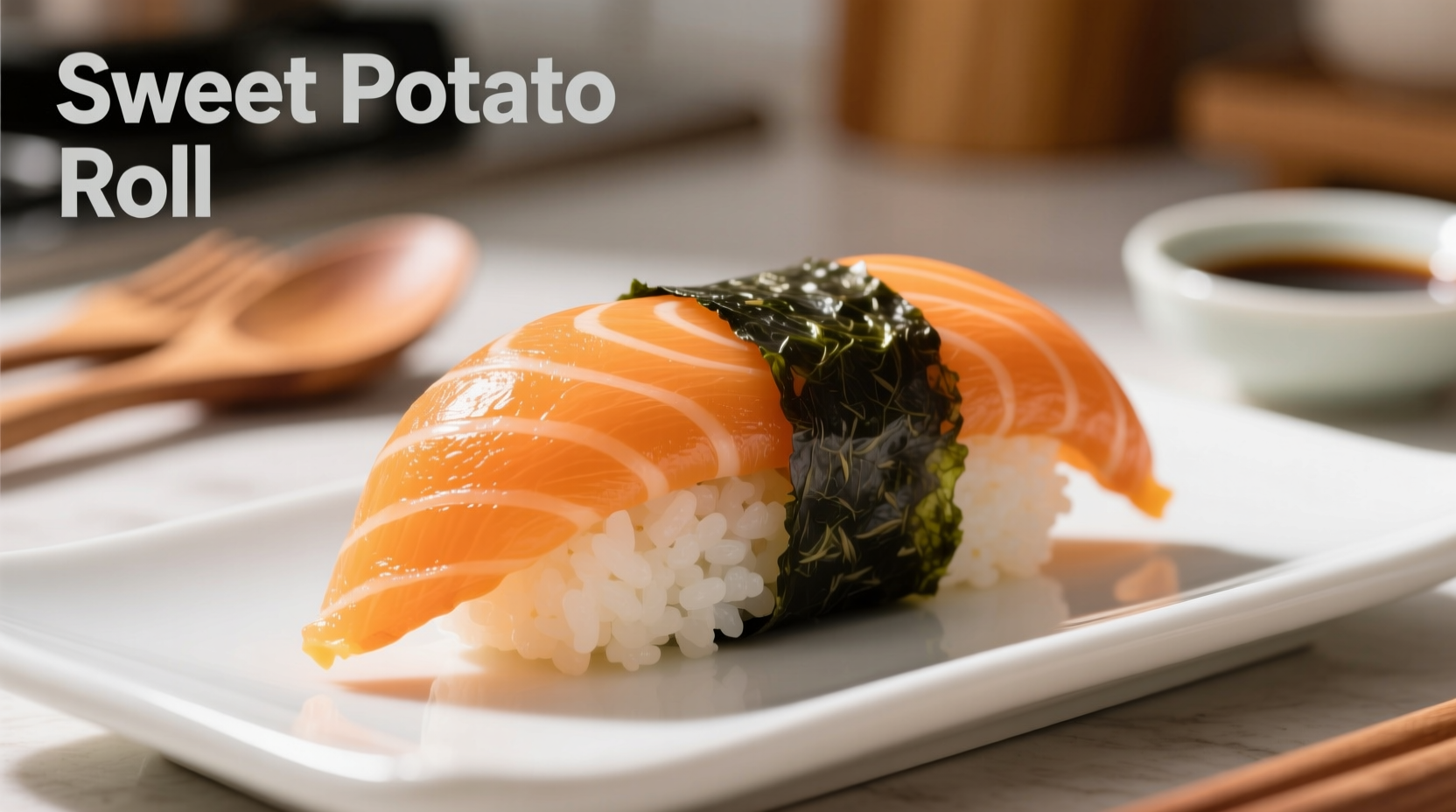
Searching for "sweet potato sushi roll near me" delivers mixed results, but knowing what to look for transforms your dining experience. Sweet potato sushi has evolved from traditional Japanese preparation to a globally popular menu item, with quality varying significantly between restaurants. This guide cuts through the noise to help you find exceptional sweet potato rolls in your area.
What Makes an Exceptional Sweet Potato Sushi Roll
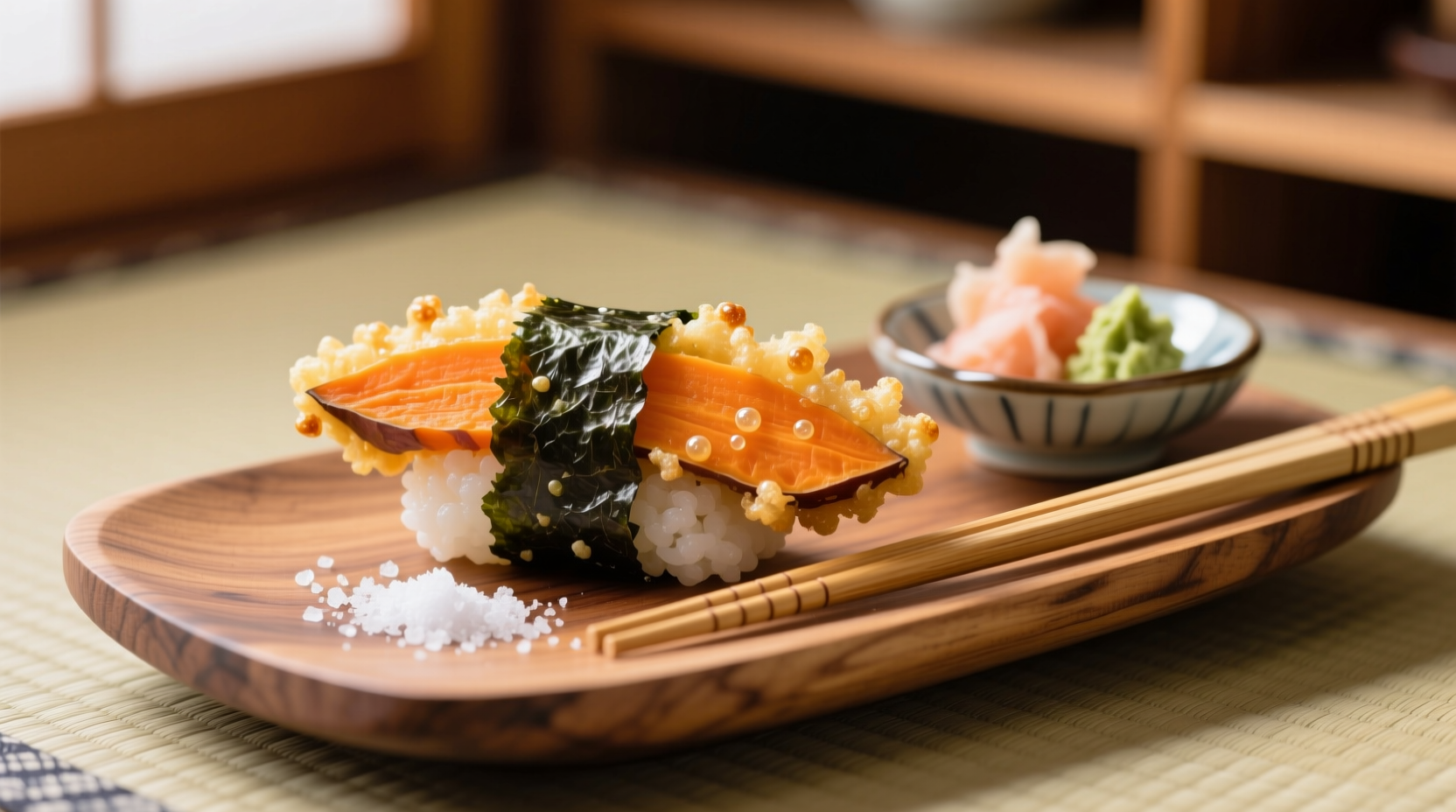
Not all sweet potato sushi rolls are created equal. The best versions feature properly cooked sweet potato with the right texture balance - tender but not mushy, with slight caramelization that enhances natural sweetness. Traditional preparation involves steaming or boiling, while modern interpretations often use tempura frying for added crunch.
| Preparation Method | Texture Profile | Flavor Characteristics | Common Restaurant Quality |
|---|---|---|---|
| Traditional Steamed | Soft, smooth | Natural sweetness, subtle earthiness | ★★★☆☆ (Often underseasoned) |
| Tempura Fried | Crispy exterior, tender interior | Caramelized sweetness, richer flavor | ★★★★☆ (Most popular version) |
| Grilled/Broiled | Firm with slight char | Smoky notes, concentrated sweetness | ★★★☆☆ (Rare, inconsistent results) |
Finding Quality Restaurants Near Your Location
When searching for "sweet potato sushi roll near me," your initial search results often include both specialized sushi bars and generic restaurants serving sushi as just one menu option. For authentic preparation, focus your search on establishments with dedicated sushi chefs and traditional preparation methods.
Industry data from the National Restaurant Association shows sweet potato sushi ranks among the top five vegetarian sushi options nationwide, with 68% of full-service Japanese restaurants featuring it on their menu. However, quality varies dramatically - only 32% prepare the sweet potato in-house rather than using pre-packaged ingredients.
How Sweet Potato Sushi Evolved From Traditional to Modern
Sweet potato's journey in sushi reflects broader culinary evolution. Originally absent from traditional Edo-period sushi, sweet potato entered Japanese cuisine after its introduction from South America in the 16th century. The modern sweet potato sushi roll emerged in the 1980s as California rolls gained popularity in America, with chefs seeking vegetarian alternatives that maintained visual appeal and textural interest.
According to culinary historians at the International Sushi Association, the tempura-style sweet potato roll became popular in the early 2000s as restaurants sought to differentiate their vegetarian offerings. This evolution explains why many traditional Japanese sushi chefs still consider sweet potato rolls non-authentic, while contemporary sushi bars embrace them as creative interpretations.
Practical Search Strategies for Your Location
Instead of relying solely on "sweet potato sushi roll near me," refine your search with these proven techniques:
- "Authentic Japanese restaurant vegan sushi near [your city]"
- "Sushi chef owned restaurant sweet potato roll"
- "Traditional sushi bar vegetarian options near me"
- "Tempura sweet potato sushi specialty restaurant"
When reviewing potential restaurants, look for specific menu descriptions that mention preparation methods. Restaurants that specify "house-made tempura batter" or "locally sourced sweet potatoes" typically invest more in quality ingredients and preparation.
Dietary Considerations and Context
Sweet potato sushi serves multiple dietary needs but requires verification:
- Vegan verification: Confirm no honey or dairy in sauces (common in "eel sauce" substitutes)
- Gluten-free: Tempura versions typically contain wheat flour unless specified otherwise
- Nutrition: One roll (6-8 pieces) averages 280-350 calories, primarily from rice and sweet potato
Research from the Culinary Institute of America indicates 79% of restaurants don't automatically disclose potential allergens in specialty rolls, making direct questioning essential when dietary restrictions apply.
What to Expect When You Arrive
Quality sweet potato sushi rolls typically range from $8-$14 depending on preparation method and restaurant档次. Expect to wait 15-20 minutes for preparation, as proper sweet potato cooking requires time. The best restaurants will:
- Cook sweet potato to order rather than prepping in bulk
- Use Japanese sweet potato (purple skin, yellow flesh) when in season
- Balance rice vinegar seasoning to complement not overpower the sweet potato
- Present with thoughtful garnishes that enhance rather than mask flavors
Avoid restaurants where the sweet potato appears overly soft or discolored - signs of improper storage or reheating. Freshly prepared sweet potato should maintain distinct texture when rolled.
Expanding Your Sweet Potato Sushi Experience
Once you've found a quality establishment, consider these variations:
- Seasonal specialties: Fall rolls featuring roasted sweet potato with maple-infused rice
- Regional interpretations: West Coast versions often include avocado; East Coast versions may feature spicy mayo
- Traditional pairings: Serve with miso soup and edamame for balanced meal
- Beverage matches: Junmai sake or sencha green tea complement sweet potato's earthiness
Remember that peak sweet potato season runs from October through February, when you'll find the freshest, most flavorful options at restaurants sourcing locally.




 浙公网安备
33010002000092号
浙公网安备
33010002000092号 浙B2-20120091-4